
 Download
 Share
ShareLohri 2026
Awaiting the vibrant festival of Lohri 2026? Celebrate this joyous occasion with full enthusiasm as we bring you the exact date, rituals, significance, and cultural traditions associated with Lohri. Known for bonfires, folk songs, dance, and festive unity, Lohri marks the end of winter and the beginning of longer days. This guide helps you understand the deeper meaning behind the celebration, along with customs followed during Lohri in different regions of India.
About Lohri
Lohri is one of the biggest winter harvest festivals celebrated primarily in Punjab and North India. It holds deep significance for farmers, marking the harvesting of rabi crops—especially sugarcane and wheat. Families and communities gather around a bonfire to offer til (sesame), gur (jaggery), popcorn, rewri, and other traditional items to the sacred flames. This celebration symbolizes gratitude towards nature, prosperity, warmth, and abundance. The sound of dhol, gidda, bhangra, and Lohri folk songs fills the air as people offer prayers and wish for a prosperous year ahead. The festival reflects togetherness, happiness, and the joy of reaping the fruit of hard work. Lohri is also considered an auspicious occasion for newlyweds and newborns, marking a new beginning and blessings for future growth. This festival is not just a cultural event but a celebration of life, harvest, gratitude, and community harmony.
Lohri 2026: Date, Significance, Rituals, History, Puja Vidhi, Traditions & Complete Guide
Lohri is one of the most vibrant and joyful festivals celebrated in North India, especially in Punjab, Haryana, Delhi, Himachal Pradesh, and parts of Jammu. Marking the end of the peak winter season and the beginning of longer, warmer days, Lohri carries both cultural and agricultural significance. Families gather around a bonfire, offer prayers, sing folk songs, perform bhangra and giddha, and share delicious traditional foods like rewari, gajak, til laddoo, and peanuts. In 2026, Lohri will be celebrated with great enthusiasm across India.
Lohri 2026 Date & Time
Lohri Date: Tuesday, January 13, 2026
Sankranti (Makar Sankranti) Moment: 03:13 PM, January 14, 2026
Makar Sankranti Date: Wednesday, January 14, 2026
What Is Lohri?
Lohri is a traditional winter harvest festival dedicated to: The Sun God (Surya) Fire element (Agni) Prosperity, good harvest, and abundance
It marks the harvesting of the rabi crops, especially sugarcane, wheat, and mustard, and expresses gratitude for nature’s blessings. The festival brings communities together through dance, music, and food—symbolizing unity, warmth, and positivity at the onset of a new agricultural cycle.
Cultural & Spiritual Significance of Lohri
Lohri is not only a celebration of nature but also a festival filled with deep cultural and regional values.
-
End of Winter Darkness Lohri marks the passing of the longest night of the year. Days begin to grow longer, spiritually symbolizing: The end of negativity The beginning of renewed energy Hope and positivity
-
Agricultural Significance For farmers, Lohri signals: The end of winter crop season The beginning of the harvest of sugarcane and wheat Celebration of good agricultural output This festival expresses gratitude to nature and the Sun for healthy crops.
-
Worship of Agni (Fire) Fire is considered sacred in Hindu traditions. During Lohri, families offer: Sesame seeds (til) Peanuts Gajak Corn Rewari These offerings symbolize purification, warmth, and protection from negative energies.
-
Punjabi Heritage & Folk Culture Lohri is deeply connected to Punjab’s rich cultural identity. Traditional folk songs like Sunder Mundriye, Tappas, and Boliyan are performed around the bonfire, symbolizing: Unity Joy Cultural pride
-
Celebration of New Beginnings Lohri is especially auspicious for: Newly married couples Families blessed with a newborn (especially first Lohri) It signifies prosperity, good fortune, and new beginnings.
Why Is Lohri Celebrated? (Mythology & Stories)
Lohri is associated with many legends. Here are the most popular ones:
-
The Legend of Dulla Bhatti The most famous Lohri story is about Dulla Bhatti, a heroic figure from Punjab during the Mughal era. According to legend: Dulla Bhatti saved poor Hindu girls from being abducted. He arranged their marriages and provided them dowry. The famous Lohri song Sunder Mundriye is dedicated to him. Thus, Lohri symbolizes protection, courage, and justice.
-
Fire Worship Tradition Fire worship has been a part of Indian culture for thousands of years. In earlier societies, fire was considered: A purifier A protector A source of light and warmth Lohri continues this tradition, representing the burning of negativity and the welcoming of abundance.
-
Sun God (Surya) Worship The festival celebrates the movement of the Sun toward the Northern Hemisphere, known as Uttarayana, which is considered spiritually auspicious. It signifies: Growth Abundance Increased solar energy
-
Harvest Festival The festival honors the end of the harvest season and thanksgiving for crops. Farmers celebrate their hard work and pray for the next season’s prosperity.
Who Celebrates Lohri?
Though Lohri is primarily a Punjabi festival, it is celebrated by: Sikhs Hindus People of North India Families across India and abroad It holds special importance for: Farmers Newlyweds Families with newborns
Today Lohri has become a cultural celebration enjoyed by everyone, irrespective of religion.
Lohri Celebrations: Traditions, Rituals & Customs
Here is how Lohri is traditionally celebrated across India:
-
Decoration & Preparation Homes are cleaned and decorated with: Torans Diyas Colorful cloth Flowers People wear new, colorful traditional outfits—especially Punjabi suits, phulkari dupattas, and kurta-pajamas.
-
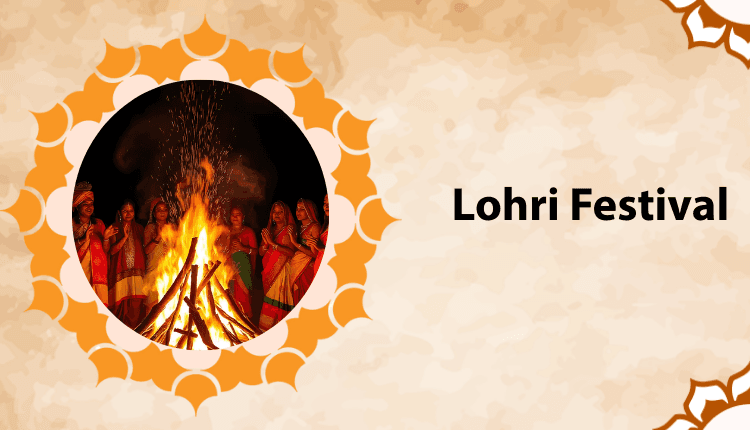
The Lohri Bonfire The bonfire is the heart of the celebration. It represents: Warmth in winter Divine blessings Community unity Families gather around the fire and offer: Sesame (til) Rewari Gajak Peanuts Popcorn Jaggery These offerings symbolize gratitude and purification.
-
Singing Traditional Folk Songs Folk songs like: Sunder Mundriye Tappas Boliyan Lohri songs for newlyweds and pregnant women bring life to the celebration. The songs often reflect stories of: Love Courage Rural life
-
Dance Performances Bhangra and Giddha are the cultural backbone of Lohri. Bhangra (men’s dance) involves energetic moves and dhol beats. Giddha (women’s dance) includes graceful steps and rhythmic clapping. Schools, communities, and families organize dance programs to celebrate the festival together.
-
Distribution of Prasad After prayers, Lohri prasad is distributed, which includes: Til Peanuts Popcorn Gajak Rewari Gur (jaggery) Prasad symbolizes blessings of prosperity and peace.
-
Special Importance for Newly Married Couples A newly married couple celebrates their first Lohri with great excitement. Family members: Perform special rituals Give gifts and blessings Celebrate with music and dance It signifies: Good fortune Growth A strong start to married life
-
Lohri for Newborn Babies A baby’s first Lohri is considered highly auspicious. Blessings are offered for: Health Long life Prosperity Protection from negative energies
Family members gather to celebrate with sweets, gifts, and rituals.
Lohri Puja Vidhi Step-by-Step
Here is a simple and traditional way to perform Lohri rituals at home: Step 1: Evening Preparation Clean the area where the bonfire will be lit. Place a small platform with: A diya Til Rewari Popcorn Gur Sugarcane
Step 2: Lighting the Bonfire The bonfire is lit after sunset. Families gather around it and offer the first prayers.
Step 3: Offering to the Fire As the fire burns, offer: Til Rewari Peanuts Popcorn Corn grains Sugarcane pieces
While offering, chant traditional Lohri songs or a simple prayer: “Surya Dev ko pranam, Agni Dev ko arpan.” Step 4: Circumambulation Traditionally, families walk around the fire 3 or 7 times, praying for: Good health Prosperity Protection Abundance
Step 5: Prayers & Gratitude Thank the divine forces for: Sunlight Harvest Health Positive energy
Step 6: Enjoying the Festivities After the ritual: Sing folk songs Dance around the fire Share sweets Celebrate with family and friends
Traditional Foods of Lohri
Lohri is famous for delicious winter foods. Popular dishes include: Sweets & Snacks Gajak Rewari Til laddoos Jaggery sweets Peanuts Popcorn
Punjabi Special Dishes Makki di roti Sarson da saag Lassi Kheer Pindi chole Lohri foods are warming, nutritious, and perfect for the cold season.
Significance of Lohri for Weddings & Babies
-
First Lohri After Marriage Considered extremely auspicious. The bride receives: Gifts Clothes Sweets Blessings It marks her inclusion into the new family and symbolizes good fortune.
-
First Lohri of a Newborn Families celebrate with: Special ceremonies Sweets distribution Musical gatherings It is believed to protect the baby from negativity and bless them with a bright future.
Symbolism of Lohri Rituals
Every Lohri custom has a deeper meaning.
Ritual | Symbolism |
| Bonfire | Burning negativity, inviting warmth & positivity |
| Offering sweets | Gratitude to nature & fire |
| Sugarcane | Prosperity & sweetness in life |
| Singing songs | Cultural heritage & unity |
| Dance | Joy, celebration & community bonding |
Lohri and Makar Sankranti Connection
Although Lohri is on January 13, it is directly connected to Makar Sankranti on January 14. Lohri marks: The final night of winter The last day before the Sun enters Capricorn Makar Sankranti marks: Increasing sunlight Beginning of the harvest season Transition into positivity Thus, Lohri and Sankranti are spiritually linked.
Benefits of Celebrating Lohri
Lohri is not only cultural—it brings emotional, social, and spiritual benefits.
-
Strengthens Family Bonds The festival brings all family members together, creating joy and unity.
-
Promotes Cultural Values Folk songs, dance, and rituals help preserve traditions for future generations.
-
Symbolic Purification Offering to the fire symbolizes letting go of negativity and inviting new energy.
-
Celebrates Nature Lohri creates awareness about: Crops Farmers Environment
-
Blessings for New Beginnings Especially beneficial for: Newly married couples Newborn babies Families starting a new phase of life
Do’s and Don’ts for Lohri
Do’s Celebrate with family and neighbors Offer prasad with devotion Include traditional songs and dances Share sweets with loved ones Keep the surroundings clean
Don’ts Avoid throwing plastic into the bonfire Do not waste food Avoid arguments or negativity Keep children at a safe distance from fire
Conclusion
Lohri is a festival of warmth, joy, and cultural pride. It celebrates the beauty of winter, the blessings of nature, and the importance of togetherness. In 2026, as families gather around the bonfire on January 13, the spirit of Lohri will once again spread happiness, abundance, and positivity. Whether you celebrate for tradition, spirituality, the harvest season, or family joy—Lohri brings prosperity and warmth to every heart and home.

Did you like this article?
Recommended
Read more
Holi Puja Vidhi Step-by-Step Guide
Perform Holi Puja 2026 correctly with this step-by-step guide. Know Holika Dahan muhurat, पूजा सामग्री, rituals, and the spiritual significance of Holi worship.

Holi in Mathura and Vrindavan
Experience Holi 2026 in Mathura and Vrindavan. Discover famous celebrations like Lathmar Holi, Phoolon ki Holi, temple rituals, and travel tips for the festival.
Difference Between Holi and Holika Dahan
Confused between Holi and Holika Dahan? Learn the key differences in date, rituals, meaning, and cultural importance of these two major Hindu festivals.