 Download
 Share
ShareEco-Friendly Mahashivratri Celebration 2026: Celebrate Lord Shiva Sustainably
Mahashivratri 2026 is a sacred night dedicated to Lord Shiva, observed with fasting, prayers, and night-long worship. Celebrating this festival in an eco-friendly way helps protect the environment while maintaining spiritual devotion. Simple sustainable practices, such as using natural decorations, avoiding plastic, and opting for organic offerings, can make your celebration both meaningful and responsible.
About Mahashivratri 2026
Mahashivratri symbolizes devotion, spiritual awakening, and the cosmic union of Shiva and Shakti. An eco-friendly celebration preserves the sanctity of nature while honoring these spiritual values, encouraging devotees to celebrate with mindfulness, care, and respect for the environment.
Pujas Chosen Just for You
Conduct a Puja in your name and gotra and seek divine blessings for your family.




Eco-Friendly Mahashivratri Celebration
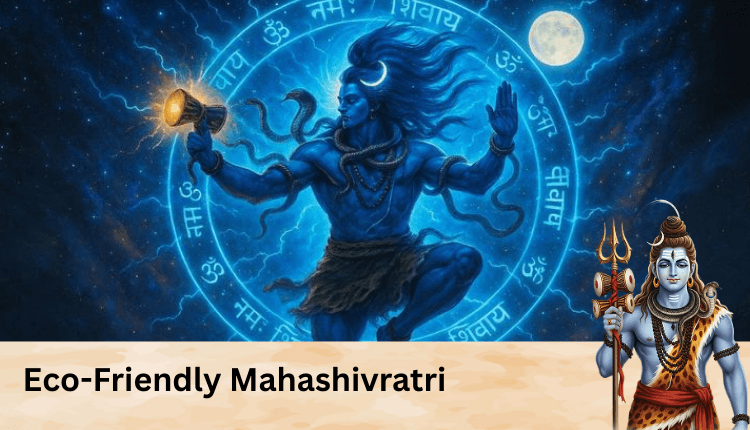
Mahashivratri is one of the most sacred festivals in Hinduism. It is celebrated in honor of Lord Shiva, who represents destruction of evil and transformation for a better life. On this day, devotees fast, chant mantras, offer prayers, and visit temples. While celebrating this beautiful festival, it is also important to care for our environment. An eco-friendly Mahashivratri celebration means celebrating the festival in a way that protects nature. Lord Shiva is closely connected with nature. He lives on Mount Kailash, wears animal skin, has the River Ganga flowing from his hair, and is often seen with animals like Nandi the bull and snakes. So, celebrating Mahashivratri in an eco-friendly way is a true way of honoring Lord Shiva.
1. Use Natural and Biodegradable Decorations
Instead of plastic decorations, use natural and biodegradable items. You can decorate your home or prayer area with:
- Fresh flowers
- Mango leaves or Bel (Bilva) leaves
- Clay diyas (oil lamps) Rangoli made from rice flour or natural colors Avoid plastic flowers, thermocol decorations, and synthetic glitter. These materials harm the environment because they do not decompose easily. Natural decorations look beautiful and are safe for nature.
2. Choose Eco-Friendly Idols
If you are placing a Shiva idol or Shiva Linga at home, choose one made from clay, stone, or metal. Avoid idols made from plaster of Paris or painted with chemical colors. Chemical paints can pollute water and soil. Clay idols are easy to dissolve in water without harming the environment. Metal or stone idols can be reused every year, which reduces waste.
3. Save Water During Abhishekam
On Mahashivratri, devotees perform Abhishekam by offering milk, water, honey, and other items to the Shiva Linga. While this is a sacred ritual, we should avoid wasting too much water or milk. Use small quantities and collect the offered water in a bowl instead of letting it flow away. This water can later be used to water plants. Avoid pouring large amounts of milk that may go to waste. Instead, you can donate milk or food to the needy. Saving water is a great way to respect nature, which is closely connected to Lord Shiva.
4. Avoid Loud Noise and Firecrackers
Mahashivratri is a spiritual festival focused on prayer and meditation. Avoid using loudspeakers at very high volume or bursting firecrackers. Noise pollution disturbs animals, birds, elderly people, and students. Instead, chant “Om Namah Shivaya” peacefully, sing bhajans, or play soft devotional music. A calm environment makes the celebration more meaningful and respectful.
5. Use Eco-Friendly Lighting
Instead of using too many electric lights, light traditional clay diyas with oil or ghee. Diyas create a warm and spiritual atmosphere. If you use electric lights, choose energy-efficient LED lights. Switch off extra lights when not needed. Saving electricity is another way to protect the environment.
6. Offer Organic and Local Items
When offering flowers, fruits, and leaves to Lord Shiva, try to use locally grown and organic items. Avoid plastic packaging while buying puja materials. Carry a cloth bag when shopping for festival items. After the puja, do not throw flowers and leaves in rivers or on roads. Collect them and compost them at home. Organic waste can be turned into fertilizer for plants.
7. Plant Trees in the Name of Lord Shiva
One beautiful way to celebrate an eco-friendly Mahashivratri is by planting a tree. Trees are very important for the environment. They give us oxygen, shade, and clean air. Planting a tree on Mahashivratri can be a symbolic way to honor Lord Shiva, who is also known as the protector of nature. Families and communities can organize small tree plantation drives.
8. Promote Awareness
Share eco-friendly messages with friends and family. Use social media to spread awareness about protecting nature during festivals. Encourage children to learn about environmental care and take small steps to reduce waste. Teaching children about eco-friendly celebrations helps build responsible habits for the future.
9. Donate Instead of Wasting
Instead of spending too much on decorations and unnecessary items, you can donate money, food, or clothes to people in need. Helping others is one of the best ways to celebrate any festival. You can also donate to environmental organizations that work to protect forests, rivers, and wildlife.
Conclusion
Mahashivratri is a festival of devotion, self-control, and spiritual growth. Celebrating it in an eco-friendly way makes the festival even more meaningful. By using natural decorations, saving water, avoiding plastic, reducing noise, and planting trees, we show respect not only to Lord Shiva but also to Mother Earth. Lord Shiva teaches balance and harmony. When we protect the environment, we follow his message of living in peace with nature. An eco-friendly Mahashivratri celebration is simple, responsible, and full of true devotion. Let us celebrate this sacred night with prayer, positivity, and care for our planet. Har Har Mahadev!

Did you like this article?
Recommended
Read more
Holi Puja Vidhi Step-by-Step Guide
Perform Holi Puja 2026 correctly with this step-by-step guide. Know Holika Dahan muhurat, पूजा सामग्री, rituals, and the spiritual significance of Holi worship.

Holi in Mathura and Vrindavan
Experience Holi 2026 in Mathura and Vrindavan. Discover famous celebrations like Lathmar Holi, Phoolon ki Holi, temple rituals, and travel tips for the festival.
Difference Between Holi and Holika Dahan
Confused between Holi and Holika Dahan? Learn the key differences in date, rituals, meaning, and cultural importance of these two major Hindu festivals.