
 Download
 Share
ShareAnvadhan & Ishti 2026
Curious about Anvadhan & Ishti in 2026? Learn the exact dates, ancient Vedic rituals, step-by-step procedure, deeper spiritual meaning, and the powerful benefits these sacred fire offerings bring into one’s life.
About Anvadhan & Ishti
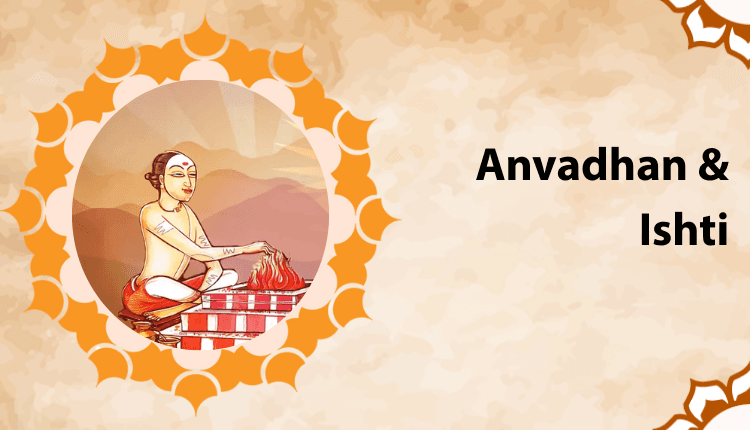
Anvadhan and Ishti are ancient Vedic rituals performed as part of the Shrauta tradition. These sacred practices revolve around maintaining the Agni (sacred fire) and offering oblations to invoke peace, prosperity, and cosmic harmony. Anvadhan refers to the ceremonial preparation and piling of sacred firewood before major Vedic yajnas. It is performed before each Ishti and marks the beginning of a new spiritual cycle. Ishti, on the other hand, is a fire ritual offering (homa) performed for the fulfillment of desires, purification of karma, and attaining inner peace. The offerings such as ghee, grains, and herbs represent surrender, gratitude, and harmony with nature. These rituals symbolize discipline, devotion, and a deep connection with cosmic energies. Performing Anvadhan & Ishti helps devotees experience purity of mind, clarity of purpose, and spiritual upliftment.
Anvadhan & Ishti 2026: Dates, Significance, Rituals, Rules & Complete Guide
Anvadhan and Ishti are two highly auspicious Vedic observances connected with the lunar calendar and ancient fire rituals (Yajna). These sacred traditions hold deep spiritual, cultural, and religious importance in Hinduism. Observed on Purnima (Full Moon) and Amavasya (New Moon) days, these rituals help devotees purify their life, remove obstacles, and invite prosperity, peace, and divine blessings. In 2026, Anvadhan and Ishti will be performed several times throughout the year. This complete guide explains the meaning, significance, benefits, puja process, essential rules, and the full month-wise date list of Anvadhan & Ishti in 2026.
What Are Anvadhan and Ishti?
-
What is Anvadhan? Anvadhan is an important Vedic ritual performed a day before the main Ishti ceremony. The word "Anvadhan" comes from the Sanskrit word “Anvadhana”, meaning preparation of the sacrificial fire. On this day, devotees prepare the sacred fire (Agni) for the rituals that will be conducted the next day. It is considered a day of purity, mental discipline, and spiritual readiness. It is usually observed on: Purnima Tithi (Full Moon Eve) Amavasya Tithi (New Moon Eve)
-
What is Ishti? Ishti refers to the main Vedic fire sacrifice that devotees perform with offerings such as: Ghee Rice Grains Herbs The word “Ishti” means desire or wish, and by performing this ritual, devotees pray for: Prosperity Health Removal of sins Fulfilment of desires Ishti is performed on: Purnima (Full Moon Day) Amavasya (New Moon Day)
Difference Between Anvadhan and Ishti
Aspect | Anvadhan | Ishti |
|---|---|---|
| Meaning | Preparation of sacred fire | Actual fire ritual (Yajna) |
| Day | One day before Purnima/Amavasya | On Purnima & Amavasya |
| Purpose | Mental & physical purification | Offering prayers to Gods |
| Involves | Cleaning, setting altar, fasting | Yajna, offerings, chanting |
Both are deeply spiritual and help devotees connect with divine energies.
Spiritual Significance of Anvadhan & Ishti
-
Purification of Mind and Body Anvadhan prepares the devotee by removing mental negativity, stress, and emotional impurities. Ishti further purifies the surroundings through sacred fire.
-
Balancing Lunar Energies Since both rituals coincide with Full Moon and New Moon, they help stabilize emotional and cosmic energy within an individual.
-
Strengthening Family Well-being It is believed that performing these rituals brings: Prosperity Health Peace Good fortune to the family.
-
Reduction of Past Karmas Through Yajna offerings, devotees are believed to burn karmic impurities and attain spiritual advancement.
-
Fulfilment of Wishes Ishti is known as a ritual where one’s desires are offered to the divine along with sacred items, symbolizing surrender and seeking blessings.
Who Should Observe Anvadhan & Ishti?
These rituals are beneficial for: Devotees seeking spiritual growth Householders wishing for peace and prosperity Families facing health or financial problems Those undergoing frequent obstacles People who want mental clarity and positive energy Anyone desiring harmony and purity in life
Both practices are simple and can be performed at home with devotion.
Anvadhan & Ishti 2026 Dates (Complete List)
Below is the month-wise complete date list for Anvadhan and Ishti in 2026, following Purnima and Amavasya cycles: January 2026 Jan 3 (Sat) – Anvadhan (Purnima Eve) Jan 4 (Sun) – Ishti (Purnima) Jan 18 (Sun) – Anvadhan (Amavasya Eve) Jan 19 (Mon) – Ishti (Amavasya)
February 2026 Feb 1 (Sun) – Anvadhan (Purnima Eve) Feb 2 (Mon) – Ishti (Purnima) Feb 17 (Tue) – Anvadhan (Amavasya Eve) Feb 18 (Wed) – Ishti (Amavasya)
March 2026 Mar 3 (Tue) – Anvadhan (Purnima Eve) Mar 4 (Wed) – Ishti (Purnima) Mar 18 (Wed) – Anvadhan (Amavasya Eve) Mar 19 (Thu) – Ishti (Amavasya)
April 2026 Apr 1 (Wed) – Anvadhan (Purnima Eve) Apr 2 (Thu) – Ishti (Purnima) Apr 17 (Fri) – Anvadhan (Amavasya Eve) Apr 18 (Sat) – Ishti (Amavasya)
May 2026 May 1 (Fri) – Anvadhan (Purnima Eve) May 2 (Sat) – Ishti (Purnima) May 16 (Sat) – Anvadhan (Amavasya Eve) May 17 (Sun) – Ishti (Amavasya) May 31 (Sun) – Anvadhan (Purnima Eve)
June 2026 Jun 1 (Mon) – Ishti (Purnima) Jun 14 (Sun) – Anvadhan (Amavasya Eve) Jun 15 (Mon) – Ishti (Amavasya) Jun 29 (Mon) – Anvadhan (Purnima Eve) Jun 30 (Tue) – Ishti (Purnima)
July 2026 Jul 14 (Tue) – Anvadhan (Amavasya Eve) Jul 15 (Wed) – Ishti (Amavasya) Jul 29 (Wed) – Anvadhan (Purnima Eve) Jul 30 (Thu) – Ishti (Purnima)
August 2026 Aug 12 (Wed) – Anvadhan (Amavasya Eve) Aug 13 (Thu) – Ishti (Amavasya) Aug 27 (Thu) – Anvadhan (Purnima Eve) Aug 28 (Fri) – Ishti (Purnima)
September 2026 Sep 10 (Thu) – Anvadhan (Amavasya Eve) Sep 11 (Fri) – Ishti (Amavasya) Sep 26 (Sat) – Anvadhan (Purnima Eve) Sep 27 (Sun) – Ishti (Purnima)
October 2026 Oct 10 (Sat) – Anvadhan (Amavasya Eve) Oct 11 (Sun) – Ishti (Amavasya) Oct 25 (Sun) – Anvadhan (Purnima Eve) Oct 26 (Mon) – Ishti (Purnima)
November 2026 Nov 9 (Mon) – Anvadhan (Amavasya Eve) Nov 10 (Tue) – Ishti (Amavasya) Nov 24 (Tue) – Anvadhan (Purnima Eve) Nov 25 (Wed) – Ishti (Purnima)
December 2026 Dec 8 (Tue) – Anvadhan (Amavasya Eve) Dec 9 (Wed) – Ishti (Amavasya) Dec 23 (Wed) – Anvadhan (Purnima Eve) Dec 24 (Thu) – Ishti (Purnima)
How to Perform Anvadhan Step-by-Step
Step 1: Morning Purification Wake up early Take a bath Clean the puja area Wear clean clothes
Step 2: Prepare the Sacred Space Arrange essential items: Copper or clay diya Camphor Incense Rice and flowers Ghee for the fire ritual
Step 3: Sankalp (Vow) Sit in front of the altar and take a pledge to observe the ritual with purity and devotion.
Step 4: Preparing the Agni Arrange the firewood or sacred samidha Sprinkle holy water Light a small lamp representing the preparation of the sacred fire
Step 5: Chanting & Meditation Chant simple mantras such as: “Om Agnaye Namah” “Om Shanti Shanti Shantih”
Focus on mental peace and purity. How to Perform Ishti Step-by-Step Step 1: Begin the Fire Ritual Light the sacred fire using cow ghee or camphor. Step 2: Offer Ahutis (Offerings) Offer: Ghee Rice Til (sesame seeds) Herbs like samidha Each offering is accompanied by chanting: “Swaha” Step 3: Prayers Pray for: Family wellbeing Prosperity Removal of obstacles Fulfilment of desires
Step 4: Aarti Perform aarti with devotion and gratitude.
Step 5: Prasad Distribute simple prasad like: Fruits Mishri Dry fruits
Rules & Guidelines for Anvadhan & Ishti
Do’s Maintain cleanliness Chant mantras with devotion Eat satvik food Keep the mind calm Offer ghee and grains respectfully
Don’ts Avoid anger or negative behaviour Don’t consume tamasic foods Avoid onion, garlic, non-veg food Avoid alcohol or intoxicants
Benefits of Anvadhan & Ishti
Removes Obstacles These rituals clear negative energies and bring smoothness in life. Health & Longevity Regular observance ensures good physical and mental health. Prosperity & Wealth Fire rituals are believed to attract prosperity and stability. Spiritual Progress These practices increase purity, faith, and divine connection. Peaceful Family Life Harmony, unity, and peace increase within the household. Fulfilment of Desires As the name Ishti suggests, wishes offered with devotion come true.
Mantras for Anvadhan & Ishti
Devotees can chant these simple and powerful mantras: Agni Mantra “Om Agnaye Namah” Gayatri Mantra “Om Bhur Bhuvah Swaha…” Shanti Mantra “Om Shanti Shanti Shantih” Chanting these mantras 108 times enhances the results of the rituals.
Conclusion
Anvadhan and Ishti are ancient Vedic practices that purify the mind, uplift the soul, and bring abundance to one’s life. Observing these rituals throughout 2026 can bring powerful spiritual benefits such as wealth, peace, health, clarity, and divine protection. These simple yet sacred rituals remind devotees to stay connected to purity, devotion, and the eternal light of the divine fire (Agni).

Did you like this article?
Recommended
Read more
Holi Puja Vidhi Step-by-Step Guide
Perform Holi Puja 2026 correctly with this step-by-step guide. Know Holika Dahan muhurat, पूजा सामग्री, rituals, and the spiritual significance of Holi worship.

Holi in Mathura and Vrindavan
Experience Holi 2026 in Mathura and Vrindavan. Discover famous celebrations like Lathmar Holi, Phoolon ki Holi, temple rituals, and travel tips for the festival.
Difference Between Holi and Holika Dahan
Confused between Holi and Holika Dahan? Learn the key differences in date, rituals, meaning, and cultural importance of these two major Hindu festivals.