 Download
 Share


Narak Chaturdashi 2026
Discover the significance of Lord Krishna's victory over Narakasura, auspicious Abhyang Snan timings, traditional puja rituals, and everything you need to observe this sacred festival.
About Narak Chaturdashi 2026
1. Narak Chaturdashi 2026 Date and Shubh Muhurat 2. Why Is Narak Chaturdashi Celebrated? 3. What Is the Difference Between Narak Chaturdashi, Kali Chaudas and Roop Chaudas? 4. Narak Chaturdashi Puja Vidhi: How to Perform the Rituals at Home 5. What Is the Significance of Abhyang Snan on Roop Chaudas? 6. Why Is Maa Kali Worshipped on Kali Chaudas? 7. Why Are Diyas Lit on Choti Diwali? 8. How Is Narak Chaturdashi Celebrated Across India? 9. Spiritual Significance of Narak Chaturdashi 10. Frequently Asked Questions About Narak Chaturdashi 2026 11. Conclusion
Pujas Chosen Just for You
Conduct a Puja in your name and gotra and seek divine blessings for your family.

Narak Chaturdashi 2026 all you Need to Know: Choti Diwali Date, Puja Vidhi, Muhurat and Significance
Narak Chaturdashi 2026 is celebrated on Sunday, 8 November, marking an important occasion during the Diwali festivities. Also known as Choti Diwali, Kali Chaudas and Roop Chaudas, this Hindu festival commemorates Lord Krishna's victory over the demon Narakasura and symbolises the triumph of righteousness over evil.
While many families in North India celebrate Choti Diwali by lighting diyas and preparing for Lakshmi Puja, several South Indian communities observe the occasion through early-morning oil baths, Krishna worship and traditional festivities. In Gujarat, Kali Chaudas is associated with prayers for protection, while Roop Chaudas emphasises purification and personal well-being. The festival is observed through different rituals depending on regional and family traditions.
This guide explains the Narak Chaturdashi 2026 date, auspicious timings, religious significance, puja vidhi and regional customs to help devotees celebrate with a deeper understanding of their traditions.
Narak Chaturdashi 2026 Date and Shubh Muhurat
Narak Chaturdashi is observed during Krishna Paksha Chaturdashi of the Kartik month, immediately before the Amavasya associated with Diwali.
In 2026, the Chaturdashi Tithi extends across 7 and 8 November. Consequently, Kali Chaudas night worship and the traditional morning Abhyang Snan fall on different dates.
Particulars | Date and Time |
Narak Chaturdashi 2026 | Sunday, 8 November |
Kali Chaudas 2026 | Saturday, 7 November |
Chaturdashi Tithi Begins | 7 November, 10:47 |
Chaturdashi Tithi Ends | 8 November, 11:27 |
Abhyang Snan Muhurat | 8 November, 5:41 AM–6:38 AM |
Kali Chaudas Puja Muhurat | 7 November, 11:39 PM–12:31 AM |
Diwali Lakshmi Puja | Sunday, 8 November |
Note: These timings are given for New Delhi (IST). Muhurat calculations depend on local sunrise, sunset and geographical location. Check your city-specific Panchang before performing time-sensitive rituals.
Why Is Narak Chaturdashi Celebrated?
The religious significance of Narak Chaturdashi comes from the story of Lord Krishna's victory over Narakasura, described in Hindu Puranic traditions.
According to the legend, Narakasura was a powerful ruler who misused his strength, oppressed people and imprisoned thousands of women. His actions created widespread suffering, leading to divine intervention. Lord Krishna, accompanied by Satyabhama in popular versions of the story, fought Narakasura and defeated him. The victory resulted in the liberation of those held captive and restored peace.
This event is commemorated as Narak Chaturdashi, representing the destruction of arrogance, injustice and harmful actions. In many South Indian traditions, the festival is particularly associated with Narakasura's defeat, making early-morning celebrations an important part of Deepavali. Devotees observe the occasion through sacred bathing, prayers and lighting lamps, symbolising purification and the victory of light over darkness.
What Is the Difference Between Narak Chaturdashi, Kali Chaudas and Roop Chaudas?
Although these observances are associated with the same lunar period, their religious emphasis differs across regions.
Narak Chaturdashi: Primarily associated with Lord Krishna's victory over Narakasura. It is traditionally observed through Abhyang Snan, prayers and festive celebrations, particularly in South India and Maharashtra.
Kali Chaudas: Observed prominently in Gujarat and parts of western India, this occasion is associated with worshipping Maa Kali and, in some traditions, Lord Hanuman. Devotees seek blessings for courage, protection and freedom from fear.
Roop Chaudas: Common in parts of North and western India, this observance emphasises cleanliness, beauty and purification through traditional oil baths and ubtan.
For Choti Diwali 2026, Kali Chaudas night worship falls on 7 November, while the principal Abhyang Snan observance takes place on 8 November.
Understanding these distinctions helps devotees follow the rituals relevant to their regional and family traditions.
Narak Chaturdashi Puja Vidhi: How to Perform the Rituals at Home
The traditional Narak Chaturdashi puja vidhi centres on purification, prayer and the symbolic removal of negativity.
While customs vary, devotees can follow these commonly observed practices:
-
Wake up before sunrise: Begin the day during the traditional Abhyang Snan period, following the local Panchang.
-
Perform Abhyang Snan: Apply sesame oil or traditional ubtan before bathing. In many households, this ritual is associated with purification and well-being.
-
Prepare the worship area: Clean the puja space, arrange flowers and diyas, and place the image or idol of the deity worshipped in your family.
-
Offer prayers: Worship Lord Krishna according to your tradition. Devotees observing Kali Chaudas may worship Maa Kali or Lord Hanuman.
-
Offer bhog: Present fruits, sweets or traditional homemade preparations as an expression of devotion.
-
Light diyas: Illuminate the home with oil lamps, following local customs and appropriate fire-safety precautions.
-
Perform Aarti: Conclude the worship with devotional prayers and distribute prasad among family members.
These practices represent commonly followed traditions rather than a single compulsory ritual sequence. Families should follow their customary puja vidhi or seek guidance from a knowledgeable priest.
What Is the Significance of Abhyang Snan on Roop Chaudas?
One of the most distinctive traditions associated with Narak Chaturdashi is Abhyang Snan, an early-morning ritual bath performed before sunrise. In several Maharashtrian and South Indian households, devotees apply oil to the body before bathing. Some families also use traditional ubtan prepared from ingredients such as gram flour and turmeric. According to religious tradition, this practice symbolises the removal of impurities and the beginning of a spiritually renewed life. The association with cleanliness and personal care explains why the occasion is called Roop Chaudas or Roop Chaturdashi in some regions.
In Tamil Nadu and other South Indian communities, the ceremonial oil bath is often an important part of Deepavali morning celebrations, followed by prayers, new clothes and festive meals. For 2026, the listed Abhyang Snan muhurat in New Delhi is 5:41 AM to 6:38 AM on 8 November.
Why Is Maa Kali Worshipped on Kali Chaudas?
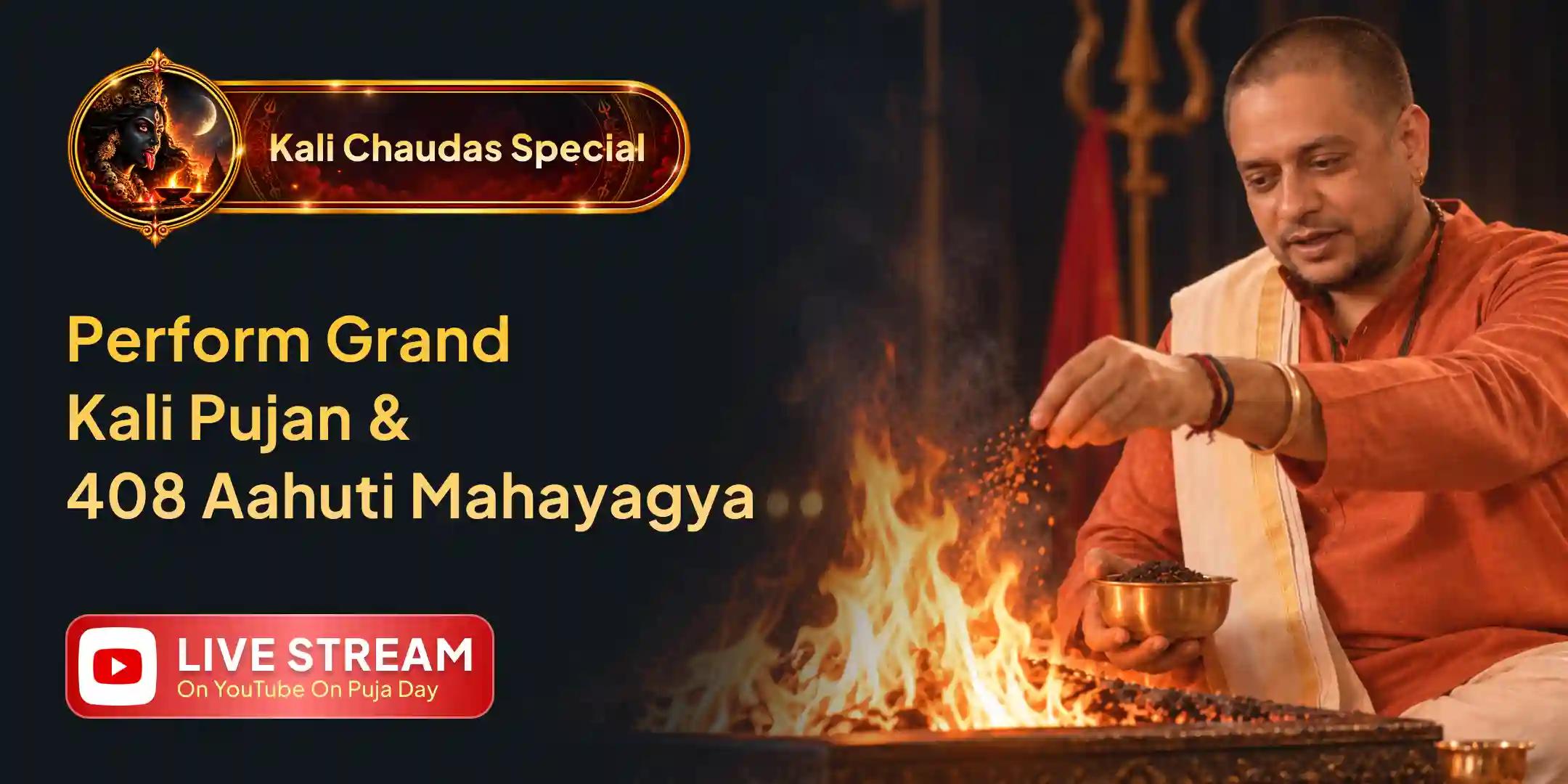
Kali Chaudas is an important occasion for devotees who worship Maa Kali as a powerful manifestation of Adi Shakti. In Hindu devotional traditions, Maa Kali represents divine strength and the destruction of evil, ignorance and negativity. Her worship is associated with seeking courage and spiritual protection. In parts of Gujarat and western India, devotees observe Kali Chaudas through prayers and rituals dedicated to protective forms of the Divine Mother. Certain traditions perform worship during Nishita Kaal, the period around midnight considered significant for specific forms of Devi worship. Rituals may include Kali Pujan, Mantra Jaap, Aarti and Havan, depending on the temple and its established customs. Devotees traditionally seek Maa Kali's blessings for strength, peace and the ability to overcome life's challenges.
Why Are Diyas Lit on Choti Diwali?
Lighting diyas is a meaningful tradition associated with Narak Chaturdashi and the wider Diwali celebrations. In Hindu religious symbolism, the flame represents knowledge, hope and the victory of light over ignorance. Families traditionally place diyas near entrances, courtyards and worship spaces to mark the festive occasion.
Another important practice is Yama Deepam, in which a lamp is offered to Lord Yama, the deity associated with death and dharma. According to traditional beliefs, this offering is made while praying for the protection and well-being of family members. The timing and method of Yama Deepam may differ according to regional customs and Panchang calculations. For devotees interested in observing the festival through charitable activities, offering food or supporting those in need is another meaningful expression of devotion.
How Is Narak Chaturdashi Celebrated Across India?
Narak Chaturdashi is celebrated differently across India, with each region preserving distinct customs and religious associations.
Region | Traditional Celebrations |
North India | Choti Diwali, lighting diyas and preparing for Lakshmi Puja |
Gujarat | Kali Chaudas worship and prayers for divine protection |
Rajasthan | Roop Chaudas, ubtan and traditional bathing rituals |
Maharashtra | Abhyang Snan, festive foods and early-morning celebrations |
South India | Oil baths, Krishna worship and Deepavali celebrations |
West Bengal | Bhoot Chaturdashi traditions, including lighting fourteen lamps |
In Maharashtra, families may prepare traditional snacks such as chakli, ladoo and karanji as part of their Diwali celebrations. In Tamil Nadu, Karnataka, Andhra Pradesh and Telangana, early-morning bathing and family prayers are important customs in many communities.
Meanwhile, in Bengal, Bhoot Chaturdashi has its own traditions, including the lighting of fourteen lamps in some households. These variations demonstrate how the same festive period brings together different expressions of Hindu devotion.
Spiritual Significance of Narak Chaturdashi
Beyond its rituals, Narak Chaturdashi conveys an important spiritual message.
The defeat of Narakasura represents the triumph of righteousness over arrogance and cruelty. The traditional bath symbolises purification, while illuminated diyas represent the removal of darkness and ignorance.bSimilarly, Kali Chaudas worship reflects the importance of courage and divine protection, while Roop Chaudas emphasises cleanliness and renewal.
For devotees, these practices offer an opportunity to reflect on personal conduct, express gratitude and strengthen their connection with spiritual traditions.bActs of kindness, charitable giving and sincere prayers are meaningful ways to observe the festival.
Frequently Asked Questions About Narak Chaturdashi 2026
1. When is Narak Chaturdashi 2026?
Narak Chaturdashi 2026 falls on Sunday, 8 November in India. The traditional Abhyang Snan is observed before sunrise.
2. Is Choti Diwali 2026 on 7 or 8 November?
The date depends on the observance. Kali Chaudas night worship takes place on 7 November, while Narak Chaturdashi Abhyang Snan is observed on 8 November.
3. Why is Narak Chaturdashi celebrated?
The festival commemorates Lord Krishna's victory over Narakasura and symbolises the triumph of good over evil.
4. What is Kali Chaudas?
Kali Chaudas is a Hindu observance associated with worshipping Maa Kali for courage, protection and spiritual strength, particularly in western Indian traditions.
5. Why is Narak Chaturdashi called Roop Chaudas?
The name Roop Chaudas is associated with traditional oil baths, ubtan and purification rituals performed for cleanliness and well-being.
6. What should devotees do on Narak Chaturdashi?
Common traditions include Abhyang Snan, prayers, lighting diyas, offering bhog and performing charitable acts. Specific rituals vary by region.
7. Can devotees participate in temple pujas online?
Yes. Platforms such as Sri Mandir provide access to selected temple pujas performed by priests on behalf of devotees. Availability depends on the temple, occasion and specific puja offering.
Conclusion
Narak Chaturdashi 2026, observed on 8 November for the principal morning rituals, commemorates Lord Krishna's victory over Narakasura and celebrates the importance of righteousness, purification and spiritual renewal.
Whether observed as Choti Diwali, Kali Chaudas or Roop Chaudas, the festival brings together different regional traditions through devotion, prayer and the symbolic victory of light over darkness.
By understanding the religious significance behind these customs, devotees can celebrate the occasion with greater awareness while honouring the traditions passed down through generations.

Did you like this article?
Recommended
Read more

Diwali 2026
Celebrate Diwali on 8 November 2026 with a complete Lakshmi-Ganesh puja at home: shubh muhurat, samagri list, step-by-step vidhi, mantras and aarti.

Holi Puja Vidhi Step-by-Step Guide
Perform Holi Puja 2026 correctly with this step-by-step guide. Know Holika Dahan muhurat, पूजा सामग्री, rituals, and the spiritual significance of Holi worship.
Holi in Mathura and Vrindavan
Experience Holi 2026 in Mathura and Vrindavan. Discover famous celebrations like Lathmar Holi, Phoolon ki Holi, temple rituals, and travel tips for the festival.