Download
 Share


Kalparambh Story
Learn the spiritual story and meaning behind Kalparambh, the first step of Durga Puja where devotees mark the holy beginning with rituals and prayers.
Pujas Chosen Just for You
Conduct a Puja in your name and gotra and seek divine blessings for your family.

Kalparambh Ritual Story
Before attacking Lanka, Lord Rama worshipped Goddess Adishakti for nine days. During this period, known as Dakshinayan, it was believed that gods and goddesses were resting in deep sleep, including Goddess Adishakti. To wake her, Lord Rama performed the Kalparambh ritual on the sixth day of his worship. Through this ritual, the goddess awoke, appeared before Lord Rama, and blessed him with victory. It is believed that this marked the beginning of the tradition of performing Kalparambh on the sixth day of Navratri. In the northeastern states of India, Navratri is considered to begin from the sixth day of Ashwin Navratri, known as Maha Sashti. This day is also called Bilva Nimantran and Akal Bodhan in these regions. The celebration continues through Maha Saptami, Maha Ashtami, and Maha Navami.

Did you like this article?
Recommended
Read more
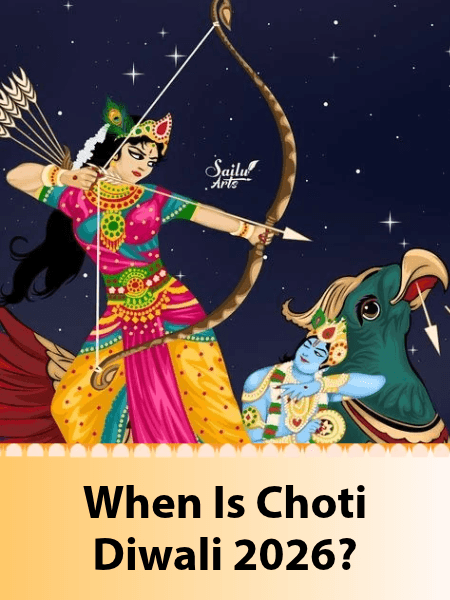
Narak Chaturdashi 2026
All you need to know about Narak Chaturdashi 2026: Choti Diwali date, Abhyang Snan muhurat, step-by-step puja vidhi, Narakasura katha and significance.


Diwali 2026
Celebrate Diwali on 8 November 2026 with a complete Lakshmi-Ganesh puja at home: shubh muhurat, samagri list, step-by-step vidhi, mantras and aarti.
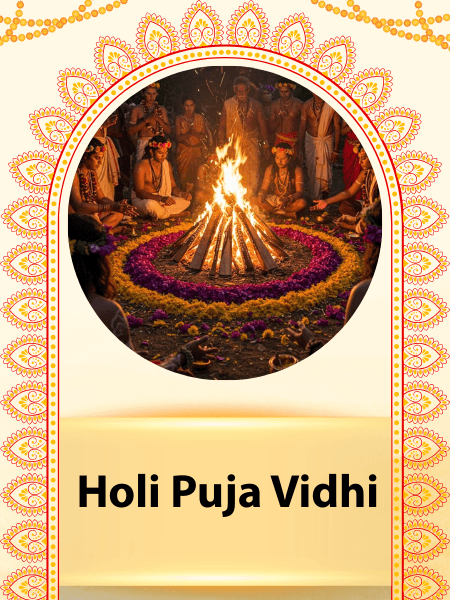
Holi Puja Vidhi Step-by-Step Guide
Perform Holi Puja 2026 correctly with this step-by-step guide. Know Holika Dahan muhurat, पूजा सामग्री, rituals, and the spiritual significance of Holi worship.