
 Download
 Share
ShareTantric Significance of Gupt Navratri
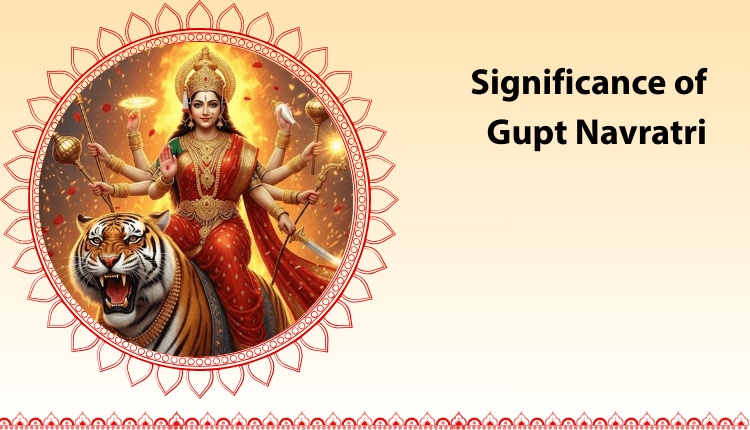
Gupt Navratri is one of the most sacred and powerful periods in Tantra Shastra. Unlike the widely celebrated Chaitra and Sharad Navratri, Gupt Navratri is observed silently and secretly, making it ideal for deep tantric sadhana and inner transformation. During these nine nights, the subtle energies of the universe are believed to be highly active, allowing spiritual seekers to connect with Goddess Shakti at a deeper level. This period is especially important for mantra jaap, meditation, awakening kundalini energy, and worship of the Mahavidyas.
About the Tantric Significance of Gupt Navratri
Gupt Navratri occurs twice a year, with Magh Gupt Navratri being particularly significant for tantric practitioners. The word “Gupt” means hidden, symbolizing secret rituals, silent worship, and internal spiritual practices. In Tantra, secrecy and discipline are essential, and Gupt Navratri provides the perfect spiritual environment for such practices. During this time, tantric sadhaks worship the Ten Mahavidyas, the powerful wisdom forms of Goddess Shakti. Each Mahavidya represents a different cosmic force and spiritual path. The calm and inward nature of Gupt Navratri allows practitioners to focus on mantra sadhana, yantra worship, and meditation without distractions. It is believed that during Gupt Navratri, negative energies weaken, and divine vibrations increase. This helps sadhaks overcome fears, karmic obstacles, and mental instability. Tantric rituals performed with purity and devotion during this period are said to yield faster spiritual results, inner strength, protection, and divine grace. Gupt Navratri is not about external celebrations but about inner awakening, self-discipline, and direct experience of divine energy. That is why it holds unmatched importance in tantric traditions and spiritual paths.
Tantric Significance of Gupt Navratri Why It Is Called “Gupt”
Gupt Navratri is one of the most mysterious and spiritually powerful festivals in Hindu tradition. Unlike the well-known Chaitra and Sharad Navratri, Gupt Navratri is not widely celebrated with public events, grand decorations, or large gatherings. Instead, it is observed quietly, deeply, and secretly by saints, sages, tantriks, yogis, and serious spiritual seekers. This hidden nature is the reason it is called “Gupt”, which means secret or hidden. Gupt Navratri holds immense importance in Tantra Shastra, Shakti worship, and spiritual sadhana. During these nine nights, special forms of Goddess Durga are worshipped, and powerful tantric practices are performed to gain spiritual energy, inner strength, and divine blessings. This article explains the tantric significance of Gupt Navratri, why it is called “Gupt,” and how it differs from regular Navratri, all in simple and easy-to-understand English.
What Does “Gupt” Mean
The word Gupt comes from Sanskrit and means: Hidden Secret Confidential Not revealed openly
Gupt Navratri is called “Gupt” because: The worship is done privately, not publicly Tantric rituals are performed secretly The practices are meant only for serious seekers The spiritual power is subtle and internal
Unlike other Navratris, Gupt Navratri focuses more on inner transformation rather than outer celebration.
What Is Gupt Navratri?
Gupt Navratri is observed twice a year:
- Magh Gupt Navratri (January–February)
- Ashadha Gupt Navratri (June–July)
These Navratris are dedicated to Tantric forms of Goddess Shakti, especially the Mahavidyas, who represent powerful cosmic energies.
Why Is Gupt Navratri So Important in Tantra
Tantra is a spiritual path that focuses on:
- Energy awakening
- Control of mind and senses
- Union of Shiva (consciousness) and Shakti (energy)
Gupt Navratri is considered the most suitable time for tantric practices because:
- Cosmic energy is naturally high
- Spiritual vibrations are stronger
- The Goddess is believed to be easily pleased
- Siddhis (spiritual powers) can be attained
Many tantriks believe that one night of Gupt Navratri sadhana can be more powerful than months of regular worship.
Why Is Gupt Navratri Called a “Hidden Festival”
1. Worship Is Not Public
In Sharad Navratri, people celebrate with: Garba and Dandiya Grand pandals Loud music Public fasts
But Gupt Navratri is observed: In meditation rooms Ashrams Temples after midnight Isolated and silent places
This secrecy is necessary because tantric energy is subtle and should not be disturbed.
2. Tantric Rituals Are Confidential
Tantric rituals involve:
- Special mantras
- Yantras (sacred diagrams)
- Mudras (hand gestures)
- Night-time worship
These practices are not shared openly because: Incorrect practice can be harmful They require proper guidance They demand mental purity and discipline Therefore, these rituals remain “Gupt.”
3. Focus Is on Inner Sadhana
Gupt Navratri is not about showing devotion to others. It is about:
- Facing inner fears
- Controlling desires
- Awakening kundalini energy
- Breaking ego and ignorance
This inner journey is personal and hidden, making the festival truly “Gupt.”
Worship of Mahavidyas During Gupt Navratri
One of the biggest tantric aspects of Gupt Navratri is the worship of the Ten Mahavidyas, the powerful wisdom forms of Goddess Shakti. Some important Mahavidyas worshipped include:
- Kali – destruction of ego and fear
- Tara – guidance and protection
- Tripura Sundari – divine beauty and bliss
- Bhuvaneshwari – cosmic creation
- Chhinnamasta – self-sacrifice and transformation
- Dhumavati – detachment and wisdom
- Baglamukhi – victory over enemies
- Matangi – control of speech and knowledge
- Kamala – prosperity and abundance
These forms are intense and powerful, which is why their worship is kept secret.
Night-Time Worship: A Key Tantric Feature
In Gupt Navratri, many rituals are performed: After midnight
- During Brahma Muhurta
- On Amavasya and Ashtami nights
Tantra believes that:
- Night represents the unconscious mind
- Darkness symbolizes ignorance
- Goddess energy is strongest at night
Worshipping at night helps the seeker conquer fear, illusion, and ignorance.
Use of Mantras in Gupt Navratri
Mantras play a very important role in tantric sadhana. During Gupt Navratri:
- Beej mantras are chanted
- Mantras are repeated thousands of times
- Silence and concentration are essential
These mantras are:
- Not chanted loudly
- Given only by a Guru
- Meant to awaken inner energy
Because mantras are powerful, they are kept “Gupt.”
Difference Between Gupt Navratri and Regular Navratri
Aspect | Regular Navratri | Gupt Navratri |
| Celebration | Public | Private |
| Focus | Devotion & joy | Tantra & sadhana |
| Worship style | Simple puja | Advanced rituals |
| Time | Daytime | Mostly night |
| Participants | Everyone | Serious seekers |
This difference clearly shows why Gupt Navratri is special and hidden.
Spiritual Benefits of Gupt Navratri
When observed correctly, Gupt Navratri can help in:
- Removing fear and negativity
- Gaining mental strength
- Improving focus and discipline
- Spiritual awakening
- Divine protection
- Success in spiritual path
Tantriks believe that Goddess Shakti personally guides sincere devotees during these days.
Why Common People Rarely Observe Gupt Navratri
Gupt Navratri is not popular among common people because:
- It requires strict discipline
- Fasting is more intense
- Mental control is necessary
- Results are slow but deep
- No outer excitement
However, simple devotees can still benefit by:
- Chanting Durga mantras
- Meditating quietly
- Practicing self-control
- Avoiding negativity
The True Meaning of “Gupt” in Gupt Navratri
“Gupt” does not mean secret in a negative way. It means:
- Sacred
- Powerful
- Personal
- Protected
The Goddess reveals her deepest blessings only to those who seek her sincerely, silently, and patiently.
Conclusion
Gupt Navratri is called “Gupt” because it is a hidden spiritual treasure. It is not meant for display or celebration but for deep inner awakening. Its tantric significance lies in the secret rituals, intense sadhana, and powerful worship of Shakti in her fiercest and most transformative forms. For tantriks, yogis, and serious spiritual seekers, Gupt Navratri is a golden opportunity to connect with the divine energy of the universe. Even for common devotees, understanding its meaning can inspire a more sincere, disciplined, and inner-focused spiritual life. Gupt Navratri teaches us that true power is silent, true devotion is hidden, and true transformation happens within.

Did you like this article?
Recommended
Read more
Holi Puja Vidhi Step-by-Step Guide
Perform Holi Puja 2026 correctly with this step-by-step guide. Know Holika Dahan muhurat, पूजा सामग्री, rituals, and the spiritual significance of Holi worship.

Holi in Mathura and Vrindavan
Experience Holi 2026 in Mathura and Vrindavan. Discover famous celebrations like Lathmar Holi, Phoolon ki Holi, temple rituals, and travel tips for the festival.
Difference Between Holi and Holika Dahan
Confused between Holi and Holika Dahan? Learn the key differences in date, rituals, meaning, and cultural importance of these two major Hindu festivals.