
 Download
 Share
Share

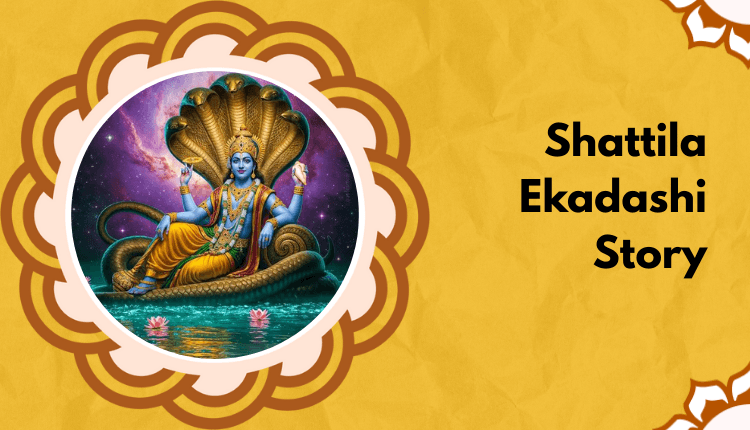
Shattila Ekadashi Story
Learn the divine story of Shattila Ekadashi, a day to honor Lord Vishnu, where devotees offer sesame seeds in charity, fast, and pray for peace, prosperity, and the well-being of their loved ones.
Shattila Ekadashi Story in English
Long ago, there lived a Brahmin woman on Earth who was devoted to fasting and worship. Once, she observed continuous fasts for a month, which made her physically weak. Though intelligent, she never donated grains to deities or Brahmins. Lord Vishnu noticed her devotion and decided that although she would attain heaven due to her piety, she wouldn’t have food or wealth there because she hadn’t performed any charity. To teach her a lesson, Vishnu came to Earth and asked the woman for alms. She gave him a lump of clay, which he accepted and returned to heaven. After some time, the Brahmin woman passed away and arrived in heaven. Due to the clay donation, she received a house with a mango tree but nothing else inside it. Distressed, she went to Lord Vishnu and asked why her home lacked basic items despite her devotion and fasting. Vishnu advised her to ask visiting celestial women about the significance and rituals of Shattila Ekadashi before letting them into her home. The Brahmin followed his advice. When the celestial women arrived and requested entry, she insisted they first explain the importance and procedure of Shattila Ekadashi. One of them narrated the story and detailed the rituals, which the Brahmin woman later followed with complete devotion. As a result, she became beautiful, and her house was filled with wealth and prosperity. Even today, observing Shattila Ekadashi is believed to bring blessings and fulfillment of wishes.

Did you like this article?
Recommended
Read more
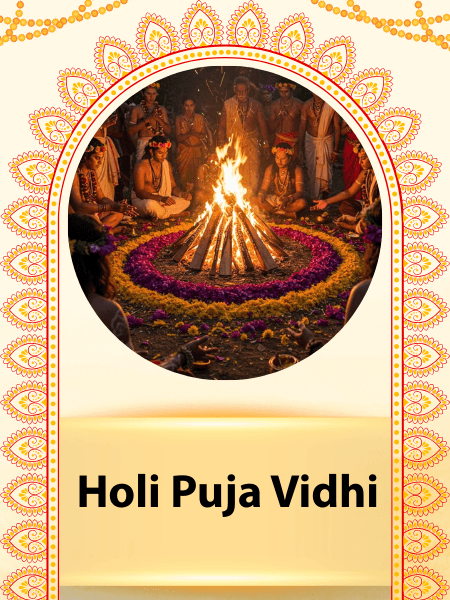
Holi Puja Vidhi Step-by-Step Guide
Perform Holi Puja 2026 correctly with this step-by-step guide. Know Holika Dahan muhurat, पूजा सामग्री, rituals, and the spiritual significance of Holi worship.

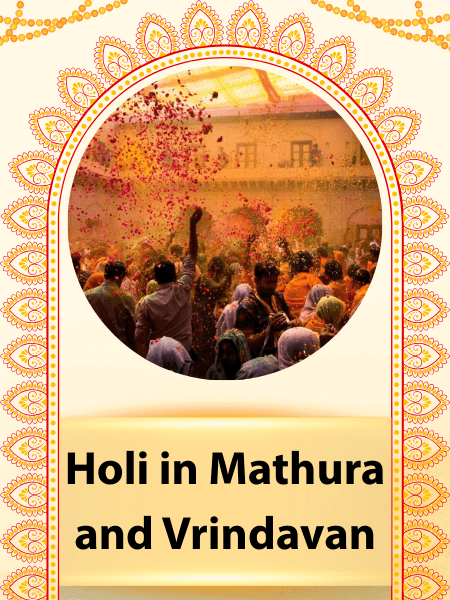
Holi in Mathura and Vrindavan
Experience Holi 2026 in Mathura and Vrindavan. Discover famous celebrations like Lathmar Holi, Phoolon ki Holi, temple rituals, and travel tips for the festival.
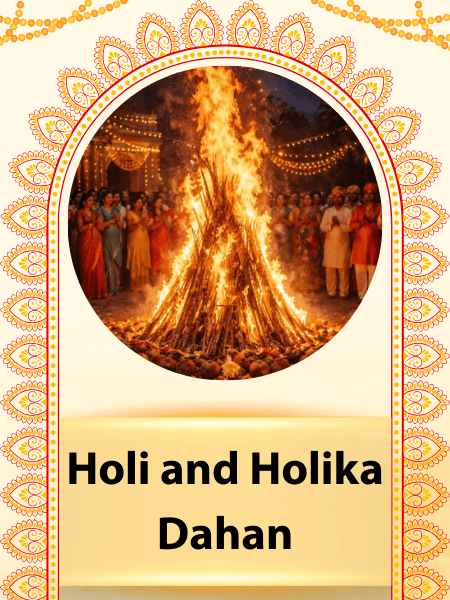
Difference Between Holi and Holika Dahan
Confused between Holi and Holika Dahan? Learn the key differences in date, rituals, meaning, and cultural importance of these two major Hindu festivals.