
 Download
 Share
ShareDifference Between Holi and Holika Dahan
Are Holi and Holika Dahan the same festival? Many people think so, but they are actually two closely connected yet distinct celebrations. While Holika Dahan symbolizes the victory of good over evil through the ritual bonfire, Holi is the joyful festival of colors celebrated the next day. From rituals and timing to cultural meaning and celebration style, both festivals carry unique importance in Hindu tradition. This guide explains the clear difference between Holi and Holika Dahan so you can understand their deeper significance and celebrate them the right way.
About Holi and Holika Dahan
Holika Dahan and Holi are two parts of the same festive period but are celebrated in very different ways. Holika Dahan, observed on the full moon night (Phalgun Purnima), involves lighting a sacred bonfire that represents the burning of negativity and evil forces. It is rooted in the mythological story of Prahlad and Holika, symbolizing faith and righteousness. Holi, celebrated the following day (Rangwali Holi), is the colorful festival known for playing with gulal, water, music, and sweets. It marks the arrival of spring, the end of winter, and promotes love, forgiveness, and social harmony. Together, these festivals represent a complete spiritual journey—from the destruction of evil (Holika Dahan) to the celebration of joy and renewal (Holi). Families first perform rituals around the holy fire and then immerse themselves in the vibrant colors of Holi the next day. Holika Dahan is more ritualistic and spiritual, while Holi is playful, social, and celebratory. Both hold immense cultural importance across India, especially in North India, and beautifully reflect the themes of victory of good, seasonal change, and community bonding.
Difference Between Holi and Holika Dahan
Many people think Holi and Holika Dahan are the same, but they are actually two different parts of the same festival. Both are connected to each other, but they have different meanings, rituals, and ways of celebration. Holi is known as the Festival of Colors, while Holika Dahan is the ritual of lighting a sacred bonfire one day before Holi. Together, they represent the victory of good over evil and the beginning of joy and positivity.
What is Holika Dahan?
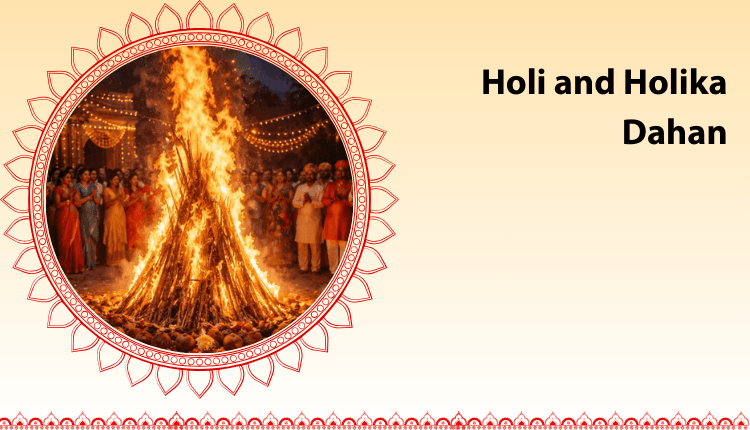
Holika Dahan is celebrated on the night before Holi. It is also called Chhoti Holi. This ritual is based on the story of Prahlada and Holika. According to Hindu mythology:
- Prahlada was a devotee of Lord Vishnu.
- His father, Hiranyakashipu, did not like his devotion.
- Holika tried to burn Prahlada in fire.
- But Prahlada survived due to his faith.
- Holika was burned to ashes. This event symbolizes the victory of good over evil.
How Holika Dahan is Celebrated
- A large bonfire is prepared in an open area.
- People gather in the evening.
- Prayers and rituals are performed.
- Families walk around the fire (parikrama).
- Some offer grains or coconuts into the fire. The fire represents burning negativity, ego, and evil. Holika Dahan is more religious and spiritual in nature.
What is Holi?
Holi is celebrated the next day after Holika Dahan. It is also called Rangwali Holi or Dhulandi. This is the day when people:
- Play with colors (gulal)
- Splash colored water
- Dance and sing
- Visit friends and relatives
- Share sweets like gujiya and thandai
- Holi is joyful, energetic, and social. It also marks the arrival of spring and new beginnings.
Key Differences Between Holi and Holika Dahan
Let’s understand the differences clearly.
1️ Time of Celebration
- Holika Dahan is celebrated on the night before Holi.
- Holi is celebrated the next day during daytime.
2️ Type of Celebration
- Holika Dahan is religious and ritual-based.
- Holi is playful and colorful.
3️ Main Activity
- Holika Dahan involves lighting a bonfire.
- Holi involves playing with colors and water.
4️ Meaning
- Holika Dahan represents the burning of evil.
- Holi represents joy, unity, and happiness.
5️ Atmosphere
- Holika Dahan is calm and devotional.
- Holi is lively and energetic.
Spiritual Meaning of Holika Dahan
Holika Dahan teaches important life lessons:
- Truth always wins.
- Faith protects us.
- Evil and arrogance are destroyed.
- We should remove negativity from our lives. The fire acts as a symbol of purification.
Cultural Meaning of Holi
Holi spreads happiness and unity. It teaches us to:
- Forgive others.
- Forget old fights.
- Celebrate friendship.
- Welcome spring with positivity. Colors symbolize love, energy, and new beginnings.
How They Are Connected
Even though Holika Dahan and Holi are different, they are deeply connected. The festival follows this sequence:
- Burn negativity in Holika Dahan.
- Celebrate positivity in Holi. First comes purification, then celebration. Without Holika Dahan, Holi would lose its spiritual meaning. Without Holi, Holika Dahan would not feel complete. Together, they form one complete festival.
Modern-Day Importance
Today, both Holika Dahan and Holi are celebrated in cities and villages across India. Holika Dahan reminds us to remove anger, jealousy, and ego from our hearts. Holi reminds us to spread love and happiness in society. Both are equally important in teaching life values.
Conclusion
Holi and Holika Dahan are two beautiful parts of one important festival. Holika Dahan is about faith, spirituality, and the victory of good over evil. It is celebrated with a sacred bonfire and prayers. Holi is about colors, joy, friendship, and celebration. It is filled with laughter, music, and happiness. In simple words: Holika Dahan burns negativity. Holi spreads positivity. Together, they teach us to remove evil from our lives and fill our hearts with love and joy. Happy Holi and Happy Holika Dahan!

Did you like this article?
Recommended
Read more
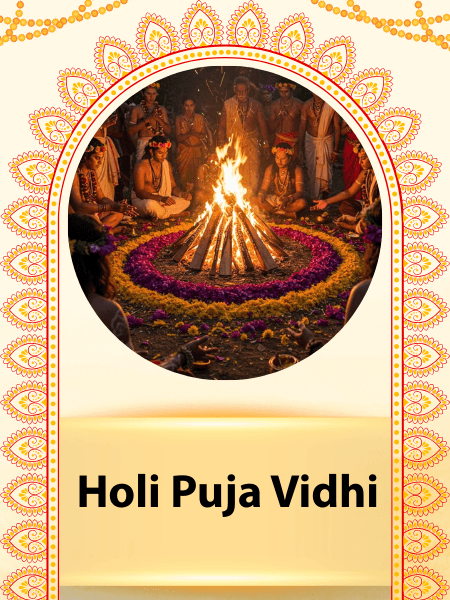
Holi Puja Vidhi Step-by-Step Guide
Perform Holi Puja 2026 correctly with this step-by-step guide. Know Holika Dahan muhurat, पूजा सामग्री, rituals, and the spiritual significance of Holi worship.

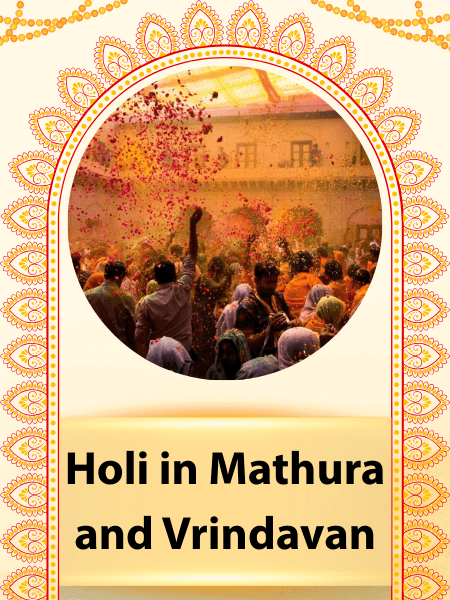
Holi in Mathura and Vrindavan
Experience Holi 2026 in Mathura and Vrindavan. Discover famous celebrations like Lathmar Holi, Phoolon ki Holi, temple rituals, and travel tips for the festival.
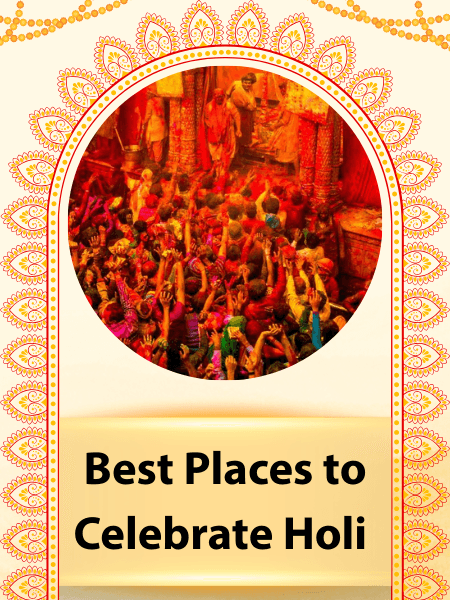
Best Places to Celebrate Holi in India
Discover the best places to celebrate Holi in India! Explore vibrant destinations, unique traditions, cultural experiences, and grand Holi festivities across the country.