
 Download
 Share
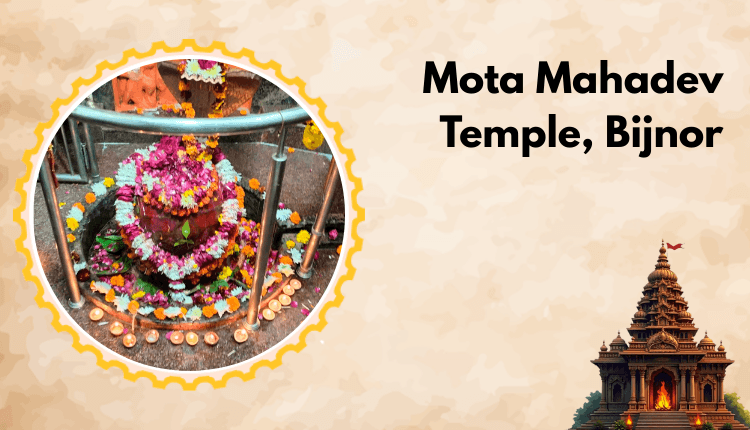
ShareMota Mahadev Temple, Bijnor
Planning a visit to Mota Mahadev Temple in Bijnor? Discover the temple’s history, spiritual importance, sacred rituals, and tips for devotees to experience its divine energy fully.
About Mota Mahadev Temple
Mota Mahadev Temple, located in Bijnor, is a revered Hindu temple dedicated to Lord Shiva. Known for its powerful spiritual atmosphere, the temple attracts devotees from across the region seeking blessings, peace, and prosperity. The temple is especially famous for its Mahashivratri celebrations, which see thousands of devotees performing rituals and offering prayers. Visitors often participate in abhishek, a sacred water and milk offering, and experience the tranquil environment that encourages meditation and devotion. The temple not only holds religious importance but also represents cultural heritage, drawing tourists and devotees alike. A visit here is believed to purify the mind, strengthen faith, and bring inner harmony.
Mota Mahadev Temple, Bijnor
Uttar Pradesh is home to numerous Shiva temples, but the Mota Mahadev Temple holds a unique significance of its own. Located in the Mandawali region of Bijnor district, this temple is a renowned Siddhereth, known for its spiritual power, devotion, and historical importance. The Shiva Lingam enshrined here is believed to be Swayambhu, meaning it emerged naturally from the earth, making it exceptionally sacred. During Mahashivratri and the month of Shravan, lakhs of devotees—especially Kanwar pilgrims carrying holy water from Haridwar—visit this temple to offer Jalabhishek and seek the blessings of Lord Shiva. Lord Shiva is revered as both the destroyer and the protector. He is a yogi and also a householder. He holds poison in his throat to protect the world, which is why he is known as Neelkanth. His Tandav symbolizes cosmic energy, while his meditation represents supreme peace.
History of Mota Mahadev Temple
According to local belief, the Swayambhu Shivling manifested here centuries ago. At that time, the region was under the Sahanpur estate. The rulers of that period renovated the temple, and later, Raja Charat Singh expanded it further. With the temple’s development, devotees started flocking in large numbers, and over time, it became a major pilgrimage site for Shiva devotees. Lord Shiva is known for his compassionate nature and is believed to be the easiest deity to please—hence the name Bholenath. He blesses anyone who worships him with a pure heart, regardless of caste, religion, wealth, or status. It is believed that those who chant “Om Namah Shivaya” in this temple with true devotion are freed from obstacles, and under Shiva’s shelter, no devotee remains helpless.
Architecture of Mota Mahadev Temple
The temple is built in traditional North Indian architectural style, featuring a towering shikhara above the sanctum and a spacious assembly hall (sabha mandap). Within the temple complex stands a shrine dedicated to Bhairav Baba, which completes the spiritual experience for devotees. After offering jalabhishek to Lord Shiva, devotees visit Bhairav Baba’s temple where the priest lightly taps them with a symbolic stick (saunta), believed to relieve fatigue and purify the body and mind.
Timings of Mota Mahadev Temple
The temple remains open from: 5:00 AM to 9:00 PM During major festivals such as Mahashivratri and Shravan, the timings are extended. Special pujas, Rudrabhishek ceremonies, and grand fairs are organized. During Mahashivratri, special rituals are performed for nearly a week.
Prasad at Mota Mahadev Temple
The main offerings given to devotees include: Bilva leaves
Ganga water
Rudraksha
Panchamrit
It is believed that the water and prasad offered here bring immense blessings and are taken home for peace and prosperity.
How to Reach Mota Mahadev Temple, Bijnor
The temple is located on the Dehradun–Nainital Highway (Highway 74), making it easily accessible. By Train The nearest railway station is Bijnor Junction, well-connected to major cities of India. Distance to the temple: Approx. 18 km Taxis and autos are readily available from the station. By Bus Regular bus services operate from the Bijnor bus depot to nearby areas. From there, local transport and shared autos can take you to the temple near Mandawali. By Air The nearest airport is Jolly Grant Airport, Dehradun, about 120 km from the temple. From the airport, taxis and buses are available to reach the temple.
Safety and Facilities
During Shravan and Mahashivratri, extensive arrangements are made, including: CCTV surveillance
Barricading
Police and PAC deployment
Medical and health services
Drinking water facilities
Tin sheds for Kanwar pilgrims
These arrangements ensure a safe and smooth experience for all devotees.
A Center of Faith
For Kanwar pilgrims travelling from Haridwar carrying holy Ganga water, this temple is considered the first important stop. It is believed that if they do not offer water here, their Kanwar journey remains incomplete. Mota Mahadev Temple is not just a temple—it is a living symbol of devotion, peace, and divine grace. The moment one steps here, a profound sense of spiritual calmness is felt.

Did you like this article?
Recommended
Read more

Famous Temples in Varanasi
Discover famous temples in Varanasi you must visit in 2026. Explore history, significance, temple timings, and spiritual importance of Varanasi’s top temples.


Famous Shiva Temples in Chennai
Discover famous Shiva temples in Chennai you must visit in 2026. Explore history, significance, temple timings, and spiritual importance of Chennai’s top Shiva temples.

The Spiritual Heart of Pune
Discover the spiritual heart of Pune in 2026. Explore famous temples, ashrams, and sacred places that bring peace, devotion, and divine energy