
 Download
 Share
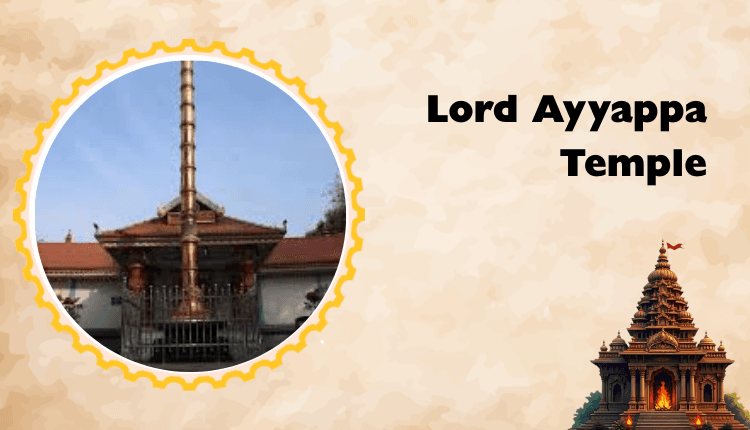
ShareLord Ayyappa Temple, Lucknow
Planning a visit to Lord Ayyappa Temple in Lucknow? This detailed guide brings you everything you need to know—history, darshan timings, puja vidhi, dress code, major festivals, and the divine significance of this sacred temple dedicated to Lord Ayyappa, the revered deity of devotion, discipline, and purity.
About Lord Ayyappa Temple, Lucknow
Lord Ayyappa Temple in Lucknow is one of the most peaceful and spiritually uplifting temples in the city, attracting thousands of devotees throughout the year. Built with Kerala-style architecture, the temple reflects the traditions and rituals followed at the famed Sabarimala Temple. Here, devotees worship Lord Ayyappa with deep devotion, seeking strength, purity, and mental peace. The serene environment, disciplined rituals, and the chanting of Swamiye Sharanam Ayyappa create a powerful spiritual atmosphere. Regular pujas, bhajans, and special celebrations during Mandala Kalam make this temple a major center of devotion. Visiting this temple brings a sense of calm, positivity, and spiritual renewal, making it a beloved place of worship in Lucknow.
Lord Ayyappa Temple, Lucknow
Lord Ayyappa is believed to be the son of Lord Shiva and Lord Vishnu in his Mohini form. No devotee is allowed to enter the sanctum except the priest. Photography is also strictly prohibited inside the temple. The Sabarimala Temple of Kerala is considered the most famous shrine dedicated to Lord Ayyappa. Devotees must observe a strict 41-day fast before visiting the temple. During this period, they follow celibacy, live a simple life, and strictly adhere to spiritual discipline. It is believed that only after completing this intense penance, a devotee becomes eligible to receive Lord Ayyappa’s divine blessings. A similar sacred and miraculous temple dedicated entirely to Lord Ayyappa is located in Lucknow. This temple is known not only for its religious significance but also for its strict rules and disciplines. Before entering the temple, devotees must follow certain guidelines such as wearing clean clothes, maintaining calm behavior, and avoiding the use of mobile phones.
History of Lord Ayyappa Temple, Lucknow
This special temple is located in the Vineet Khand area of Lucknow. It was built in 1982. Every year on 14 January, a grand pooja and special rituals are performed, attracting devotees from far and wide. One unique feature of the temple is the tall pillar that is visible as soon as one enters. According to the temple’s General Secretary, Omana Kuttan, this pillar symbolizes the backbone of the deity. At the center of the temple is a sacred navel-like structure, representing another holy part of Lord Ayyappa’s body. It is believed that without seeing both these symbols, the darshan of Lord Ayyappa remains incomplete. Another remarkable aspect is the presence of several protective stone structures (called pindis) inside and outside the sanctum. These are considered the guardians of Lord Ayyappa, protecting Him from all directions. The architecture of the temple is also unique—it is constructed in the shape of an elephant, showcasing the traditional temple-building style of South India.
Architecture of Lord Ayyappa Temple, Lucknow
The Ayyappa Temple in Vineet Khand, Lucknow, is known for its unique design inspired by South Indian traditions. It holds both architectural and religious importance.
- Elephant-Shaped Structure The temple is built in the shape of an elephant, a symbol of strength and good fortune. This design makes the temple even more sacred and distinct.
- Symbols of the Deity’s Body Upon entering, devotees first see a tall pillar representing the backbone of the Lord. After that comes the navel structure. Darshan is considered incomplete without viewing both.
- Protective Pindis Several stone platforms surround the idol of Lord Ayyappa, both inside and outside. These are believed to act as divine protectors.
- South Indian Architectural Influence From the roof and doors to the sculptures and rituals, everything reflects the South Indian temple style—especially the traditions of Kerala’s Sabarimala Temple.
- The Sanctum (Garbhagriha) The sanctum, where the deity is installed, is accessible only to priests. Devotees can offer prayers only from outside the sanctum.
Timings of Lord Ayyappa Temple, Lucknow
Temple timings vary according to the season: Summer Timings (16 February to 31 October) Morning: 6:00 AM to 10:30 AM
Evening: 5:30 PM to 8:30 PM
Winter Timings (1 November to 15 February) Morning: 6:30 AM to 11:00 AM
Evening: 5:00 PM to 8:00 PM
Prasad at Lord Ayyappa Temple, Lucknow
During special poojas, the temple distributes offerings such as rice, coconut, and sweets as prasad to devotees.
How to Reach Lord Ayyappa Temple, Lucknow
The temple is located in Vineet Khand, Gomti Nagar, Lucknow. You can reach it through the following routes: By Train The nearest major railway station is Charbagh Railway Station, around 12 km away. From the station, you can take an auto, taxi, or cab directly to the temple. Alternatively, take an auto to Husadia Chauraha and walk about 500 meters to the temple.
By Bus City buses in Lucknow operate frequently to Gomti Nagar. Get down at Husadia Chauraha and walk to the temple. Government and private buses from other cities also connect to Lucknow.
By Air The nearest airport is Chaudhary Charan Singh International Airport, around 22 km from the temple. From the airport, take a cab or taxi; the journey takes around 45 minutes to 1 hour.

Did you like this article?
Recommended
Read more

Famous Temples in Varanasi
Discover famous temples in Varanasi you must visit in 2026. Explore history, significance, temple timings, and spiritual importance of Varanasi’s top temples.


Famous Shiva Temples in Chennai
Discover famous Shiva temples in Chennai you must visit in 2026. Explore history, significance, temple timings, and spiritual importance of Chennai’s top Shiva temples.

The Spiritual Heart of Pune
Discover the spiritual heart of Pune in 2026. Explore famous temples, ashrams, and sacred places that bring peace, devotion, and divine energy