
 Download
 Share
ShareHoli Festival Facts You Should Know
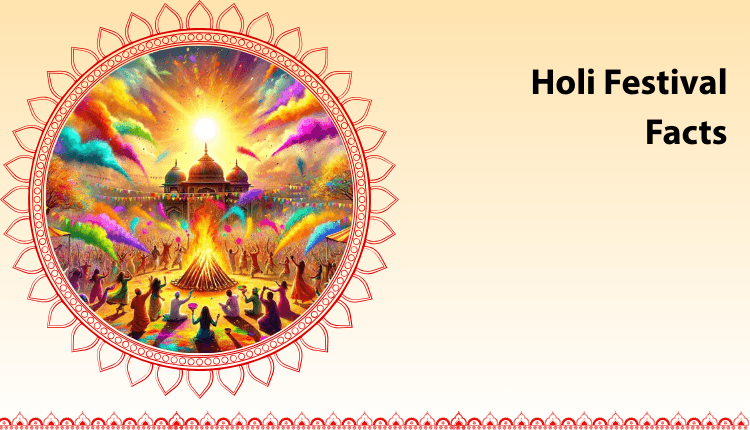
Excited for the festival of colors? Holi is one of the most joyful and widely celebrated festivals in India, known for its vibrant colors, festive sweets, music, and community bonding. From the sacred Holika Dahan bonfire to the playful throwing of gulal, Holi marks the victory of good over evil and the arrival of spring. In this guide, discover interesting Holi festival facts, traditions, rituals, and the cultural meaning behind this colorful celebration.
About Holi
Holi is a major Hindu spring festival celebrated across India and in many parts of the world. It usually falls in March on the full moon day (Purnima) of the Phalguna month. The festival begins with Holika Dahan on the first evening, followed by Rangwali Holi the next day, when people play with colors and water. The festival holds deep mythological significance linked to the story of Prahlad and Holika, symbolizing the triumph of devotion and righteousness over evil forces. Over time, Holi has evolved into a grand social celebration that breaks barriers of caste, age, and status, bringing people together in joy and unity. Traditional Holi celebrations include applying gulal, splashing colored water, dancing to dhol beats, and enjoying festive treats like gujiya, thandai, and malpua. In regions like Braj, Mathura, and Vrindavan, Holi is celebrated with unique customs such as Lathmar Holi and Phoolon wali Holi. Holi is not just about colors—it represents forgiveness, new beginnings, the arrival of spring, and the warmth of human connections. The festival encourages people to forget past grievances and embrace happiness, love, and togetherness.
Holi Festival Facts You Should Know
Holi is one of the most joyful and colorful festivals celebrated in India and many parts of the world. Known as the Festival of Colors, Holi brings people together with happiness, music, sweets, and vibrant colors. While many people enjoy throwing colors and water, there are many interesting facts about Holi that make the festival even more special. In this simple guide, you will learn important and fun facts about the Holi festival that everyone should know.
1. Holi Celebrates the Victory of Good Over Evil
The most important fact about Holi is its connection to the story of Prahlada and Holika. According to Hindu mythology:
- Prahlada was a true devotee of Vishnu.
- Holika tried to burn him in fire.
- Prahlada survived due to his faith.
- Holika was burned. This is why the night before Holi is celebrated as Holika Dahan, symbolizing the victory of good over evil.
2. Holi Marks the Arrival of Spring
Holi is also a seasonal festival. It is celebrated at the end of winter and the beginning of spring. In ancient times, people welcomed the new harvest season and the blooming of flowers during this period. The bright colors of Holi represent:
- New life
- Fresh beginnings
- Happiness
- Energy That is why Holi is often called the festival of joy and renewal.
3. Natural Colors Were Used in Ancient Times
Today many people use synthetic colors, but originally Holi was played with natural colors. Earlier, people made colors from:
- Flowers like tesu (palash)
- Turmeric
- Sandalwood
- Neem leaves These natural colors were safe for skin and even had medicinal benefits. Now many people are again returning to organic gulal for safer celebrations.
4. Holika Dahan Happens One Day Before Holi
Many people think Holi is only about colors, but the festival actually begins with Holika Dahan. On this night:
- A bonfire is lit.
- People pray around the fire.
- Negative energy is symbolically burned. The next day, people celebrate with colors, sweets, and music.
5. Holi Is Linked to Lord Krishna
Holi is also closely connected to Krishna and Radha. According to legends, young Krishna loved playing colors with Radha and the gopis in Vrindavan. This playful tradition became a part of Holi celebrations. Because of this connection, places like:
- Mathura
- Vrindavan celebrate Holi in a very grand and unique way.
6. Holi Is Celebrated Around the World
Holi started in India, but today it is celebrated globally. Countries where Holi is popular include:
- Nepal
- United States
- United Kingdom
- Australia
- Mauritius Indian communities abroad organize Holi events with colors, music, and dance. Many foreigners also love joining the celebration.
7. Music and Dance Are Important Parts of Holi
Holi is not just about colors — it is also about fun and celebration. During Holi, people enjoy: Dancing to Bollywood songs Singing traditional folk songs Playing dhol and drums Community gatherings The famous phrase “Bura na mano, Holi hai!” shows the playful spirit of the festival.
8. Special Sweets Are Prepared for Holi
Food plays a big role in Holi celebrations. Popular Holi treats include:
- Gujiya
- Malpua
- Dahi Vada
- Thandai
- Puran Poli Families prepare these sweets at home and share them with guests and neighbors.
9. Holi Brings People Together
One beautiful fact about Holi is that it removes social barriers. On this day:
- People forget old fights.
- Friends and neighbors hug each other.
- Everyone plays together, regardless of age or status. Holi spreads the message of unity, forgiveness, and friendship.
10. Safety Is Important During Holi
Modern celebrations require some precautions. Important safety tips:
- Use organic colors
- Protect eyes and hair
- Avoid forcing colors on others
- Drink plenty of water
- Keep pets safe from colors Celebrating responsibly makes Holi enjoyable for everyone.
Bonus Fun Facts About Holi
Here are some quick interesting facts: Holi is one of the oldest Hindu festivals. It is mentioned in ancient Indian texts. The date of Holi changes every year (based on the lunar calendar). Different states celebrate Holi in unique ways. In some places, Holi celebrations last for a week.
Conclusion
Holi is much more than just a color festival. It is a celebration of faith, love, friendship, and new beginnings. From the story of Prahlada and Holika to the playful traditions of Krishna and Radha, every part of Holi has deep meaning. The festival teaches us to remove negativity, forgive others, and fill our lives with happiness and positivity. So the next time you play with colors, remember the beautiful traditions and facts behind this joyful festival.

Did you like this article?
Recommended
Read more
Holi Puja Vidhi Step-by-Step Guide
Perform Holi Puja 2026 correctly with this step-by-step guide. Know Holika Dahan muhurat, पूजा सामग्री, rituals, and the spiritual significance of Holi worship.

Holi in Mathura and Vrindavan
Experience Holi 2026 in Mathura and Vrindavan. Discover famous celebrations like Lathmar Holi, Phoolon ki Holi, temple rituals, and travel tips for the festival.
Difference Between Holi and Holika Dahan
Confused between Holi and Holika Dahan? Learn the key differences in date, rituals, meaning, and cultural importance of these two major Hindu festivals.