
 Download
 Share
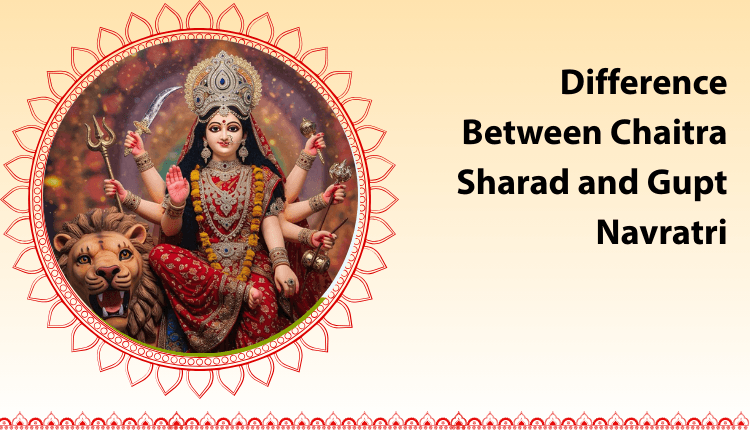
ShareDifference Between Chaitra Sharad Gupt Navratri
Navratri is one of the most sacred Hindu festivals dedicated to Goddess Durga and her divine forms. While most people are familiar with Chaitra and Sharad Navratri, many are unaware of Gupt Navratri and how it differs from the other two. Each Navratri has its own spiritual purpose, rituals, and level of observance. In this article, we explain the difference between Chaitra, Sharad and Gupt Navratri, covering their dates, significance, puja methods, spiritual focus, and who should observe them.
About Navratri and Its Types
The word Navratri means “nine nights” and symbolizes the victory of divine power over negative forces. These nine sacred nights are devoted to the worship of Goddess Durga and her various forms. In Hindu tradition, four Navratris occur in a year, but three are most widely discussed: - Chaitra Navratri - Sharad Navratri - Gupt Navratri Each of these Navratris holds unique spiritual importance and serves different purposes for devotees.
Difference Between Chaitra, Sharad and Gupt Navratri
Navratri is one of the most important Hindu festivals dedicated to Goddess Durga and her nine divine forms. The word Navratri means “nine nights”, during which devotees worship the feminine divine power known as Shakti. Many people know about Sharad Navratri, but fewer are aware that Navratri is observed four times a year, out of which three are spiritually significant—Chaitra Navratri, Sharad Navratri, and Gupt Navratri. Each type of Navratri has a different purpose, method of worship, and spiritual meaning. While some Navratris are celebrated publicly with joy and devotion, others are observed secretly for intense spiritual practices. In this article, we will clearly explain the difference between Chaitra, Sharad, and Gupt Navratri in simple language, covering their timing, significance, rituals, and who should observe them.
What Is Navratri?
Navratri is a sacred period of nine days and nine nights dedicated to Goddess Durga. During this time, devotees perform:
- Fasting
- Puja and mantra chanting
- Meditation and spiritual practices
- Self-discipline and purification
The nine forms of Goddess Durga, known as Navdurga, are worshipped, each representing different divine qualities like power, wisdom, protection, and compassion.
Overview of the Three Major Navratris
Chaitra Navratri Observed during March–April Focuses on spiritual growth and devotion Mainly celebrated by household devotees
Sharad Navratri Celebrated in September–October Known for its grand, vibrant, and festive nature Celebrated by the entire society with great enthusiasm
Gupt Navratri Observed in January–February and June–July Involves secret, tantric, and intense spiritual practices Primarily observed by sadhaks and tantriks
1. Chaitra Navratri – The Beginning of the Hindu New Year
When Is Chaitra Navratri Celebrated? Chaitra Navratri is observed in the month of Chaitra (March–April). It begins on Pratipada Tithi of Shukla Paksha and marks the start of the Hindu lunar new year in many regions of India. Spiritual Importance Chaitra Navratri is associated with:
- New beginnings
- Spiritual cleansing
- Renewal of positive energy
It is believed that worshipping Goddess Durga during this Navratri helps remove past negativity and brings peace, health, and prosperity.
How Is Chaitra Navratri Observed? Devotees install Kalash (Ghatasthapana) at home
- Nine forms of Durga are worshipped daily
- Simple fasting is followed
- Ram Navami, the birthday of Lord Rama, is celebrated on the 9th day
Nature of Worship
- Calm and peaceful
- Mostly home-based worship
- Focus on bhakti (devotion) rather than grand celebrations
2. Sharad Navratri – The Most Popular and Grand Festival
When Is Sharad Navratri Celebrated? Sharad Navratri takes place in the month of Ashwin (September–October). It is the most widely celebrated Navratri across India and abroad. Why Is Sharad Navratri So Important? Sharad Navratri celebrates the victory of Goddess Durga over demon Mahishasura, symbolizing the triumph of good over evil. This Navratri is directly connected to:
- Durga Puja
- Dussehra
- Vijayadashami
How Is Sharad Navratri Celebrated?
- Large public pandals and temples
- Garba and Dandiya dances
- Community fasting and feasting
- Recitation of Durga Saptashati
- Idol immersion after the festival
Nature of Worship
- Grand and festive
- Social and cultural celebrations
- Open participation for all
Sharad Navratri focuses on external celebration along with devotion.
3. Gupt Navratri – The Secret Navratri
When Is Gupt Navratri Observed?
- Gupt Navratri is celebrated twice a year:
- Magh Gupt Navratri – January–February
- Ashadha Gupt Navratri – June–July
The word Gupt means hidden or secret. Why Is It Called Gupt Navratri? Gupt Navratri is meant for advanced spiritual seekers, tantriks, yogis, and sadhaks. The worship is done secretly, without public display. Spiritual Significance
- Focus on Tantric Sadhana
- Worship of Mahavidyas
- Awakening of Kundalini Shakti
- Removal of deep karmic obstacles
This Navratri is considered extremely powerful for spiritual transformation. How Is Gupt Navratri Observed?
- Intense mantra chanting
- Night-time sadhana
- Minimal food or water fasting
- Worship done in isolation
Nature of Worship
- Secret and disciplined
- No social celebrations
- Highly spiritual and mystical
Key Differences Between Chaitra, Sharad and Gupt Navratri
1. Difference in Purpose
Chaitra Navratri– Spiritual cleansing and new beginnings
Sharad Navratri– Celebration of victory and divine power
Gupt Navratri – Deep spiritual and tantric practices
3. Difference in Goddess Worshipped
Chaitra & Sharad Navratri – Navdurga forms
Gupt Navratri – Mahavidyas like Kali, Tara, Bagalamukhi
4. Difference in Devotees
Chaitra Navratri – Families, household devotees
Sharad Navratri – Everyone including communities
Gupt Navratri– Sadhaks, tantriks, advanced seekers
5. Difference in Energy and Vibration
Chaitra Navratri – Soft, calm, nurturing energy
Sharad Navratri – Powerful, celebratory energy
Gupt Navratri – Intense, transformative energy
Which Navratri Should You Observe
You can observe all three Navratris based on your intention:
- For peace, health, and positivity – Chaitra Navratri
- For joy, devotion, and family blessings – Sharad Navratri
- For spiritual growth and inner power – Gupt Navratri
Beginners should start with Chaitra or Sharad Navratri, while Gupt Navratri should be practiced under proper guidance.
Conclusion
Chaitra, Sharad, and Gupt Navratri are not different festivals, but different spiritual paths leading to the same divine energy—Goddess Shakti.
- Chaitra Navratri teaches renewal and devotion
- Sharad Navratri teaches celebration and victory of good
- Gupt Navratri teaches inner transformation and spiritual mastery
Understanding the difference between Chaitra, Sharad, and Gupt Navratri helps us respect each tradition and choose the right spiritual practice according to our life stage. May Goddess Durga bless you with strength, wisdom, and divine protection in every Navratri you observe.

Did you like this article?
Recommended
Read more
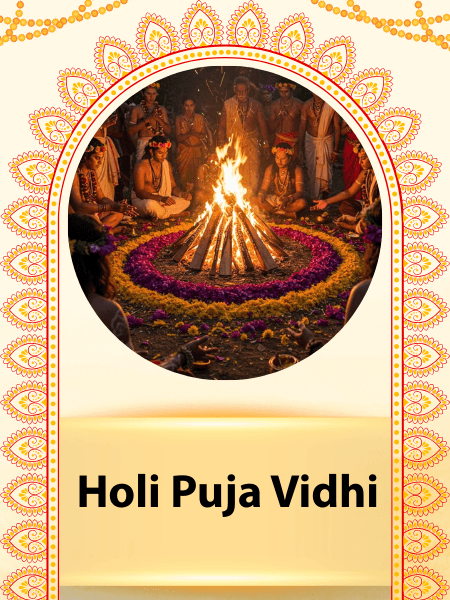
Holi Puja Vidhi Step-by-Step Guide
Perform Holi Puja 2026 correctly with this step-by-step guide. Know Holika Dahan muhurat, पूजा सामग्री, rituals, and the spiritual significance of Holi worship.

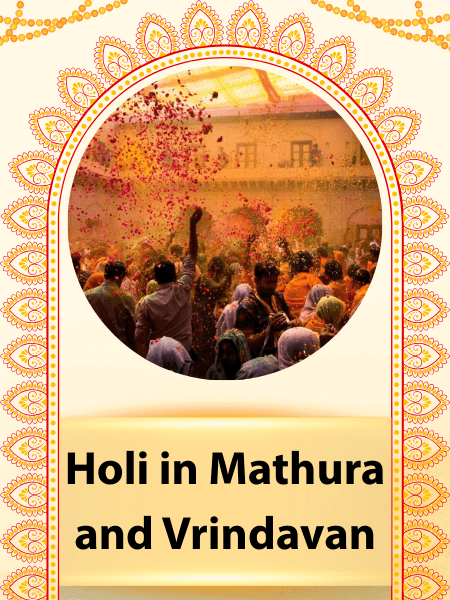
Holi in Mathura and Vrindavan
Experience Holi 2026 in Mathura and Vrindavan. Discover famous celebrations like Lathmar Holi, Phoolon ki Holi, temple rituals, and travel tips for the festival.
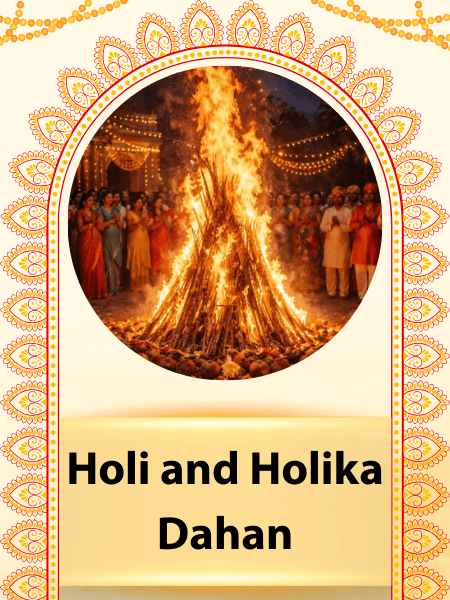
Difference Between Holi and Holika Dahan
Confused between Holi and Holika Dahan? Learn the key differences in date, rituals, meaning, and cultural importance of these two major Hindu festivals.