
 Download
 Share
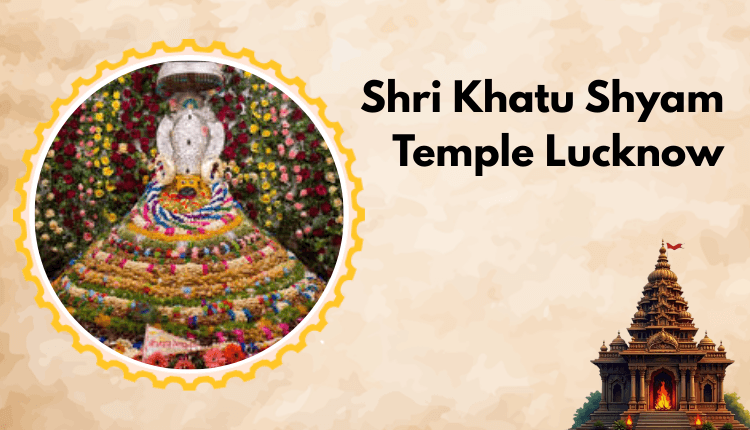
ShareShri Khatu Shyam Temple, Lucknow
Shri Khatu Shyam Temple in Lucknow is a sacred place dedicated to Shyam Baba, the beloved deity known for granting wishes, removing difficulties, and filling devotees’ lives with hope and positivity. The temple is visited by thousands of devotees who come to seek blessings, participate in bhajans, and experience the divine energy of Khatu Shyam Ji. From daily aarti to special events, every ritual here reflects devotion, peace, and spiritual awakening.
About Shri Khatu Shyam Temple, Lucknow
Shri Khatu Shyam Temple in Lucknow is one of the most peaceful and spiritually uplifting temples for devotees of Shyam Baba. Inspired by the original Khatu Shyam Ji Temple in Rajasthan, this temple beautifully captures the essence of devotion, surrender, and faith. Shyam Baba, also known as Barbarik, is worshipped for his power to remove obstacles and fulfill heartfelt wishes. Devotees visit the temple to offer phool, prasad, chadar, and to participate in soulful bhajan sandhya. The temple hosts regular aartis and special events that create a powerful devotional atmosphere. Whether it is seeking mental peace, better fortune, or guidance in life, the blessings of Shyam Baba are believed to bring spiritual strength and positivity. The temple is not only a place of worship but also a center for community harmony, moral teachings, and devotional gatherings. Visiting Shri Khatu Shyam Temple in Lucknow brings a sense of calm, hope, and divine protection to the hearts of devotees.
Shri Khatu Shyam Temple, Lucknow
The Khatu Shyam Temple in Lucknow is a significant center of devotion for thousands of devotees. It is believed that anyone who visits the temple with a pure heart is spiritually considered to have reached the divine court of Khatu Shyam Ji, located in Sikar district of Rajasthan. During the month of Sawan, a large number of devotees visit the temple premises to worship Lord Shiva, whose shrine is also situated within the complex. According to former temple president Virendra Kumar Agrawal, the temple was built in 2008. Lord Khatu Shyam (Baba Shyam) is the presiding deity of this temple, and the place serves as a ray of hope for those who feel defeated in life. The temple is beautifully and grandly constructed, with the capacity to accommodate around 500 devotees at a time for darshan. Apart from Khatu Shyam Ji, a Shivling representing Lord Shiva is also installed in the temple premises. A gaushala (cow shelter) is also part of the complex, highlighting the temple’s commitment to social and religious welfare.
History of Shri Khatu Shyam Temple, Lucknow
The temple was established in 2008 in the Nishatganj area of Lucknow. Its purpose was to provide a local place of worship for devotees who could not travel to the main Khatu Shyam Temple located in Sikar, Rajasthan. Constructed with grandeur and devotion, the temple can hold around 500 worshippers at once. There is a strong belief associated with the temple: anyone who offers prayers here with sincerity is spiritually considered present in the original Khatu Shyam Temple of Rajasthan. This makes it especially significant for people facing challenges in life who seek blessings from Khatu Shyam Ji, also known as the “Supporter of the Defeated".
Architecture of Shri Khatu Shyam Temple, Lucknow
The architecture of the Khatu Shyam Temple reflects both grand spirituality and artistic beauty. The structure is a blend of modern and traditional styles, inspired by the original Khatu Shyam Temple in Rajasthan. Majestic Entrance The main entrance of the temple is designed in Rajasthani architectural style. Its intricate carvings and colorful decorations attract visitors instantly. The arch displays the name and chant of Shyam Baba, filling devotees with spiritual energy as they enter. Shikhar and Domes The main shikhar (spire) is tall and pointed, built in typical Hindu temple style. White and golden colors enhance its grandeur, making it visible even from a distance. A kalash and flag adorn the top of the dome. Garbhagriha (Sanctum Sanctorum) The sanctum houses the idol of Lord Khatu Shyam. The atmosphere here is serene and pure. Marble walls, beautiful tiling, and artistic ceiling work make this area special. Shivling and Gaushala A Shivling dedicated to Lord Shiva is installed within the temple premises, showcasing fine religious craftsmanship. A gaushala in the complex symbolizes the temple’s social service values. Hall and Mandap A large mandap or assembly hall hosts bhajan evenings, Shyam Mahotsav, and daily aarti. Decorated with colorful lights, chandeliers, and religious paintings, the hall can accommodate nearly 500 devotees at a time. Flooring and Wall Art The temple floor is made of marble, and the walls are adorned with paintings depicting stories from the life of Shyam Baba. The balanced use of white, saffron, and golden hues gives the temple a divine ambience. Why Khatu Shyam is Called “Haare Ka Sahara” (Supporter of the Defeated) According to the temple priests, Khatu Shyam Ji is known as the Supporter of the Defeated because he had promised his mother that he would always help those who feel defeated or hopeless in life. Devotees believe that Shyam Baba fulfills wishes and provides strength during difficult times.
Temple Timings
Summer Timings
- Morning: 5:00 AM to 12:30 PM
- Evening: 4:30 PM to 9:30 PM
Winter Timings
- Morning: 6:00 AM to 1:00 PM
- Evening: 4:00 PM to 9:30 PM
Prasad Offered at Shri Khatu Shyam Temple, Lucknow
Dry offerings such as choorma, batashe, coconut, mishri, cardamom seeds, and dates are commonly offered. These are distributed to devotees in packets.
During special events like Shyam Mahotsav, Bhajan Sandhya, or special pujas, atta choorma or suji halwa is prepared and distributed to hundreds of devotees.
Some devotees offer Panchmeva (cashew, raisins, almonds, coconut, makhana) during special rituals, which is then distributed in small boxes or leaf bowls.
Weekly or festive occasions often include bhandara (community meal) where dishes like khichdi, poori-sabzi, halwa, and chaas or rasna are served free of cost.
As per Rajasthani traditions, offerings like panjeeri, mawa (khoya), and kachori-jalebi are also prepared and distributed among devotees.
How to Reach Shri Khatu Shyam Temple, Lucknow
By Train Lucknow has two major railway stations: Lucknow Charbagh Railway Station (LKO)
Lucknow Junction (LJN) From both stations, devotees can easily reach the temple by auto-rickshaw, taxi, or local bus.
By Bus Local bus services connect various parts of Lucknow to routes passing through Hazaratganj, Nishatganj, or Birbal Sahni Marg. Alambagh Bus Stand: Major interstate bus terminal; auto/taxi available from here.
Charbagh Bus Stop: Located near the railway station; offers easy connection to the temple.
By Air Chaudhary Charan Singh International Airport (LKO)
Distance from temple: 15–20 km
Travel time: 30–45 minutes via taxi, Ola, Uber, or prepaid cab (depending on traffic)

Did you like this article?
Recommended
Read more

Famous Temples in Varanasi
Discover famous temples in Varanasi you must visit in 2026. Explore history, significance, temple timings, and spiritual importance of Varanasi’s top temples.


Famous Shiva Temples in Chennai
Discover famous Shiva temples in Chennai you must visit in 2026. Explore history, significance, temple timings, and spiritual importance of Chennai’s top Shiva temples.

The Spiritual Heart of Pune
Discover the spiritual heart of Pune in 2026. Explore famous temples, ashrams, and sacred places that bring peace, devotion, and divine energy