
 Download
 Share
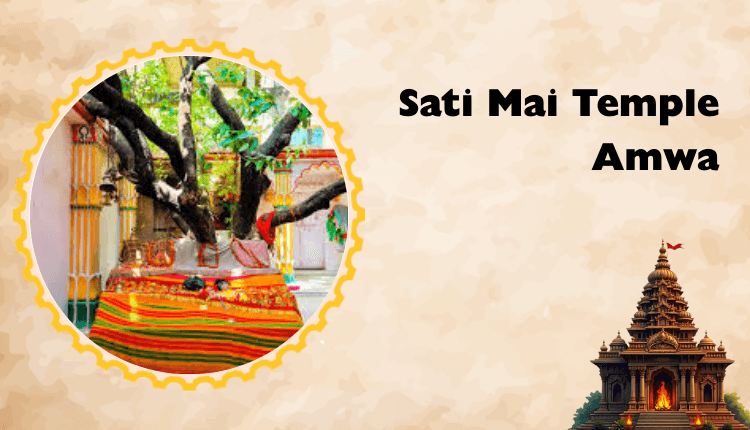
ShareSati Mai Temple Amwa, Ghazipur
Planning to visit Sati Mai Temple in Amwa (Ghazipur)? Here is a complete guide to its history, importance, worship procedure, temple timings, and the powerful beliefs connected with this sacred Shakti Peeth-like temple. Devotees visit the shrine with immense faith to receive protection, blessings, and relief from troubles.
About Sati Mai Temple, Amwa (Ghazipur)
Sati Mai Temple in Amwa, Ghazipur is a highly revered shrine dedicated to Sati Mata, symbolizing purity, sacrifice, and divine protection. The temple holds deep spiritual significance among local devotees who believe that worshipping Sati Mata removes obstacles, brings peace, and ensures safety from negative energies. The temple is associated with ancient folklore that highlights Sati Mata’s devotion and sacrifice, making this place spiritually powerful and emotionally connected to the community. Each day, devotees visit the temple to offer prayers, light diyas, and seek blessings for family harmony and well-being. Festivals, especially Navratri, draw huge crowds, and special rituals are performed to honor the divine feminine energy. Whether a local resident or a visitor, the peaceful environment of the temple inspires devotion, calmness, and a deeper connection with spirituality. Sati Mai Temple stands not only as a place of worship but as a symbol of faith, strength, and divine motherhood for the entire region.
Sati Mai Temple, Amwa (Ghazipur)
The Sati Mai Temple located in the lush green village of Amwa in Ghazipur district is a remarkable center of devotion. Let us explore the detailed history, architecture, timings, offerings, and travel guide related to this sacred place. The Sati Mai Temple situated in Amwa is not just a religious site but a witness to countless stories that bring new rays of hope into the lives of devotees. Surrounded by trees and enriched with natural beauty, this temple appears like a preserved page from history where the tales of devotion and sacrifice remain immortal.
History of Sati Mai Temple, Amwa (Ghazipur)
The history of the Sati Mai Temple of Amwa village is ancient and mysterious. According to legends, centuries ago, a deeply religious and dignified woman sacrificed her life by performing sati to protect her honor. Impressed by her devotion, courage, and sacrifice, the villagers established a holy shrine at this spot, which gradually came to be revered as the Sati Mai Temple. It is believed that during times of natural calamities, epidemics, and wars, the blessings of Sati Mai protected the villagers from harm. Key Highlights of the History Sacred land of sacrifice
Blessings of protection during calamities
A major center of faith for local and distant devotees
Architecture of Sati Mai Temple, Amwa (Ghazipur)
Although the architecture of the Sati Mai Temple does not reflect modern design, it holds the charm and purity of a traditional rural structure. The temple is built using local bricks, stones, and natural materials. Main Architectural Features Sanctum (Garbha-Griha): A small but extremely sacred chamber where the idol of Sati Mai is enshrined.
Mandap: An open hall in front of the sanctum where bhajans, kirtans, and special rituals take place.
Entrance Gate: Simple yet attractive, decorated with basic yet appealing carvings by local artists.
Temple Premises: An open courtyard surrounded by shady trees that create a serene spiritual atmosphere.
Wall Paintings: Illustrations depicting the stories associated with Sati Mai.
Navgraha Shrine: Small altars dedicated to the nine celestial deities near the sanctum.
This temple is a symbol of simplicity and grandeur, where every brick seems to narrate a story of devotion.
Timings of Sati Mai Temple, Amwa (Ghazipur)
The temple remains open daily for devotees. During special festivals and events, night-long vigils and devotional programs are organized. Temple Visiting Hours Morning: Opens at 5:00 AM
Evening: Closes at 9:00 PM
Special Festival Timings During Navratri and Ashtami, the temple remains open 24 hours.
Aarti Timings Morning Aarti: 6:00 AM
Evening Aarti: 7:00 PM
The evening aarti is especially enchanting as the entire atmosphere becomes divine with the fragrance of incense and the glow of lamps.
Offerings (Prasad) at Sati Mai Temple, Amwa
The offerings made at the Sati Mai Temple include a variety of local sweets and fruits. The prasad symbolizes faith and devotion and is distributed among all visitors. Major Offerings Laddoo: Sweet gram-flour laddoos, considered especially beloved to the Goddess.
Malpua: A special delicacy offered during festive occasions.
Flattened Rice & Jaggery: A traditional offering representing rural devotion.
Fruits: Banana, coconut, and guava are commonly offered.
Fragrant Flowers: Jasmine, rose, and marigold are used for adorning the deity.
Devotees believe that taking prasad home brings peace, happiness, and prosperity.
How to Reach Sati Mai Temple, Amwa (Ghazipur)
Amwa village is located in Ghazipur district and can be reached through various modes of transport.
- By Train Ghazipur city is well-connected through the railway network. Nearest Railway Stations Ghazipur City (GCT)
Ghazipur Junction (GZM)
Distance from Station to Amwa Around 20–25 km
Available transport: taxi, auto, private jeep
Travel time: 40–50 minutes
Major Trains Sarnath Express
Ballia Express
Banaras–Ghazipur Intercity 2. By Bus If you prefer road travel, multiple bus options are available. Ghazipur Bus Depot: UP Roadways and private buses operate regularly.
Direct buses to Ghazipur are available from Varanasi, Azamgarh, Ballia, and Mau.
Local Transport from Ghazipur Taxis, autos, or shared jeeps are available to reach Amwa village. 3. By Air For long-distance travelers, air travel is the fastest option. Nearest Airport Lal Bahadur Shastri International Airport (Varanasi Airport)
Airport to Ghazipur Distance: 80–90 km
Transport: Taxi or private cab
From Ghazipur, taxis and autos are available to Amwa
Total travel time: 2.5 to 3 hours
Conclusion
The Sati Mai Temple of Amwa is not just a structure of bricks and stones—it is a confluence of the hearts of devotees where the flame of faith burns eternally. Every visitor here finds not only solutions to their troubles but also inner peace and spiritual awakening. If you too seek relief from life’s challenges or wish to fulfill a heartfelt prayer, a visit to Sati Mai Temple in Amwa is a must. Because— “Where there is faith, miracles find their own way.”

Did you like this article?
Recommended
Read more

Famous Temples in Varanasi
Discover famous temples in Varanasi you must visit in 2026. Explore history, significance, temple timings, and spiritual importance of Varanasi’s top temples.


Famous Shiva Temples in Chennai
Discover famous Shiva temples in Chennai you must visit in 2026. Explore history, significance, temple timings, and spiritual importance of Chennai’s top Shiva temples.

The Spiritual Heart of Pune
Discover the spiritual heart of Pune in 2026. Explore famous temples, ashrams, and sacred places that bring peace, devotion, and divine energy