 Download
 Share
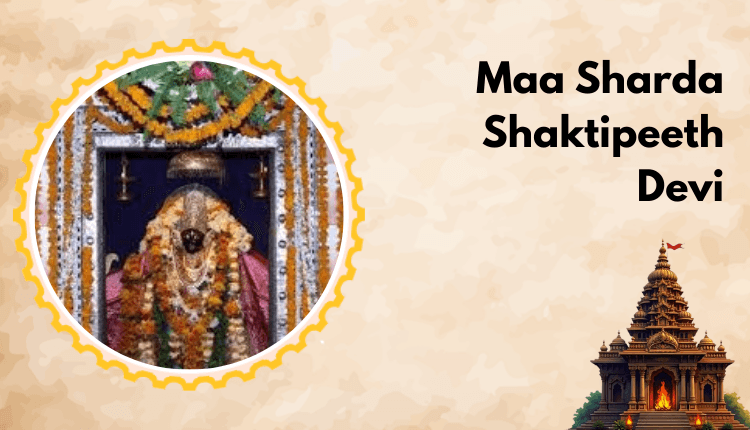
ShareMaa Sharda Shakti Peeth Maihar Devi Temple, Jaunpur
Planning a visit to Maa Sharda Shakti Peeth Maihar Devi Temple in Jaunpur? Discover its divine history, temple significance, darshan timings, puja rituals, and all the essential details devotees must know before visiting this spiritually powerful Shakti Peeth.
About Maa Sharda Shakti Peeth Maihar Devi Temple
Maa Sharda Shakti Peeth Maihar Devi Temple in Jaunpur is a sacred shrine dedicated to Goddess Sharda, a powerful form of Maa Durga known for granting wisdom, strength, and protection to her devotees. This temple holds great spiritual importance for locals and pilgrims who visit throughout the year to seek blessings and peace. The divine idol of Maa Sharda is believed to be ancient and spiritually awakened, making the temple a center of faith and devotion. Devotees perform daily puja, offer flowers and prasad, and chant mantras to receive Maa’s grace. The temple’s peaceful environment, combined with its deep connection to Shakti Peeth traditions, attracts thousands of devotees who believe that worshiping here removes obstacles, brings harmony to the family, and fulfills heartfelt wishes. It is a sacred destination that strengthens one’s spiritual journey and fills life with positive energy, devotion, and divine protection.
Pujas Chosen Just for You
Conduct a Puja in your name and gotra and seek divine blessings for your family.





Maa Sharda Shakti Peeth Maihar Devi Temple, Jaunpur
Maa Sharda Shakti Peeth, located in Jaunpur and also known as the Maihar Devi Temple, is a famous religious site. This temple is dedicated to Maa Sharda, a form of Goddess Saraswati, who is considered the goddess of knowledge, wisdom, and music. Devotees visit this temple especially during Navratri and other festivals. The temple has several unique features. If you want to know more about this temple, read on in this article.
Know About Maa Sharda Shakti Peeth Maihar Devi Temple, Jaunpur
Located in the Parmentpur village of Jaunpur district, Uttar Pradesh, this is a prominent religious site known as Maa Sharda or Maihar Devi Temple. The temple is dedicated to Goddess Sati and is considered one of the Shakti Peethas. Devotees have to climb approximately 900 steps to reach the temple, which symbolizes faith and devotion. According to local belief, the temple was constructed under the divine guidance of the goddess through a devotee’s dream, where Maa Sharda herself inspired him to build the temple. It is believed that prayers made here with a true heart are always fulfilled, and devotees offer a “kadhai” (a ceremonial offering) once their wishes are granted. The temple’s foundation day is celebrated every year on March 4th with grand festivities, attracting local devotees as well as pilgrims from distant places.
History of Maa Sharda Shakti Peeth Maihar Devi Temple, Jaunpur
According to ancient belief, when Lord Shiva was wandering across the universe with the body of Mata Sati, her right breast fell at this location, making it a famous Shaktipeeth. Another local legend suggests that Mata Sati’s necklace fell here, which is why this place is called “Maihar,” meaning “Mother’s necklace.” Today, the temple remains bustling with devotees throughout the year, especially during Navratri, and has become a symbol of devotion. Proper arrangements for lodging and worship for visitors are also provided.
Architecture of Maa Sharda Shakti Peeth Maihar Devi Temple, Jaunpur
The architecture of Maa Sharda Shakti Peeth is a beautiful blend of religious devotion and traditional Indian temple design. Built in the style of ancient temples, it showcases features typical of North Indian temple architecture. The main sanctum (garbhagriha) is located on a high platform, housing the divine idol of Maa Sharda. The idol is placed in a way that devotees have a direct view upon entering the temple. The temple’s spire (shikhara) is highly attractive and reflects the Nagara style, adorned with a beautifully carved kalash, dome, and intricate motifs, giving it a divine appearance. The temple courtyard has a large assembly hall (mandap) where devotees gather for prayers, bhajans, and spiritual discourse. The open spaces around the temple allow natural light and ventilation to flow freely.
Timings of Maa Sharda Shakti Peeth Maihar Devi Temple, Jaunpur
The temple is open throughout the year, but special crowds arrive during Chaitra and Sharad Navratri. On these auspicious occasions, thousands of devotees come from afar to seek blessings and fulfill their wishes. The temple is open from 6:30 AM to 1:00 PM and then from 2:00 PM to 8:00 PM. During special events, the timings may sometimes be extended.
Prasad of Maa Sharda Shakti Peeth Maihar Devi Temple, Jaunpur
Devotees offer items like chunni (veil), coconut, batasha (sugar candy), clove, cardamom, and sweets to the goddess, which are later distributed as prasad. During Navratri, special offerings are prepared, including halwa-poori, chana (chickpeas), and kheer.
How to Reach Maa Sharda Shakti Peeth Maihar Devi Temple, Jaunpur
The temple is accessible by road, rail, and air. Here’s how you can reach:
By Train: Jaunpur is connected via two main railway stations – Jaunpur Junction (JNU) and Jaunpur City Station (JOP), linked to major cities like Varanasi, Lucknow, Allahabad, Delhi, Mumbai, and Kolkata. The temple is about 14–16 km from these stations, and you can reach by auto, taxi, or e-rickshaw.
By Bus: Located near Gosaiganj market, the temple is well-connected by road. UP Roadways (UPSRTC) and private bus services make travel from Jaunpur city convenient. The temple is around 12–14 km from the bus stand, accessible via local taxi, auto-rickshaw, or private vehicle.
By Air: The nearest airport is Lal Bahadur Shastri International Airport, Varanasi, approximately 70–80 km from the temple. The airport is well-connected to major cities. From the airport, a cab or taxi to Jaunpur takes about 2 hours.

Did you like this article?
Recommended
Read more

Famous Temples in Varanasi
Discover famous temples in Varanasi you must visit in 2026. Explore history, significance, temple timings, and spiritual importance of Varanasi’s top temples.


Famous Shiva Temples in Chennai
Discover famous Shiva temples in Chennai you must visit in 2026. Explore history, significance, temple timings, and spiritual importance of Chennai’s top Shiva temples.

The Spiritual Heart of Pune
Discover the spiritual heart of Pune in 2026. Explore famous temples, ashrams, and sacred places that bring peace, devotion, and divine energy