
 Download
 Share
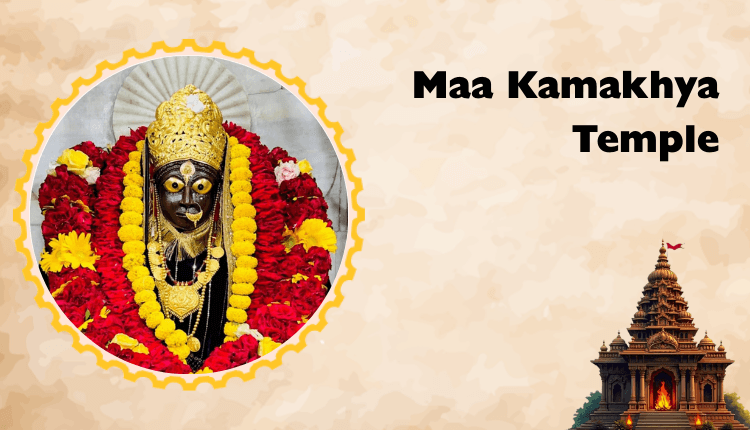
ShareMaa Kamakhya Temple, Ghazipur
Planning a visit to Maa Kamakhya Temple in Ghazipur? Here is your complete guide covering the temple’s history, spiritual significance, darshan timings, puja rituals, facilities, and travel routes. Maa Kamakhya, one of the powerful forms of Adi Shakti, is worshipped here with deep devotion, and devotees believe that blessings from this temple remove obstacles, fulfil wishes, and bring peace and prosperity.
About Maa Kamakhya Temple Ghazipur
Maa Kamakhya Temple in Ghazipur is a sacred pilgrimage destination dedicated to Goddess Kamakhya, one of the most revered forms of Goddess Durga. Known for its divine energy and ancient spiritual roots, this temple holds special importance among Shakti devotees. The temple is believed to fulfil wishes, remove negativity, and bless devotees with strength, peace, and protection. Many people come here to seek blessings for marriage, children, success, and relief from troubles caused by negative energies. The temple’s atmosphere is calm and deeply spiritual, allowing devotees to meditate, pray, and connect with the divine. Over the years, Maa Kamakhya Temple has become a symbol of faith, devotion, and cultural heritage in Ghazipur.
Maa Kamakhya Temple, Ghazipur
The Maa Kamakhya Temple located in Gahmar village of Ghazipur is a major Shakti Peeth, famous for tantric rituals and spiritual practices. Special worship rituals and offerings are performed here, making it a sacred and powerful pilgrimage site. If you want to know more about this temple—its timings, offerings, and how to reach—read this article to get complete information.
Know About Maa Kamakhya Temple, Ghazipur
Situated in Gahmar village of Ghazipur district, Maa Kamakhya Temple is a well-known and historical Shakti Peeth where Goddess Kamakhya is worshipped according to ancient traditions. A special belief associated with this temple is that every soldier from this village receives the blessings of Maa Kamakhya, and due to her grace, no soldier from this village has ever been martyred at the border. The villagers consider Maa Kamakhya their Kuldevi (family deity) and seek her blessings. During Navratri, a huge crowd of devotees gathers here. Not only locals, but devotees from distant areas of Bihar and Bengal also visit during Navratri to seek the divine blessings of the Goddess. It is believed that the temple is located on the banks of the Ganga River and several ancient traditions are still practiced here. Maa Kamakhya Temple is not just a religious site but also a cultural and historical heritage filled with deep-rooted faith and devotion.
History of Maa Kamakhya Temple, Ghazipur
Maa Kamakhya Temple in Gahmar village is an ancient Shakti Peeth believed to have been established in the 5th century by the rulers of the Sikarwar Kshatriya dynasty. The Sikarwar kings dedicated this temple to their Kuldevi. However, after the decline of the dynasty, the temple fell into a dilapidated state, but the faith of the devotees remained strong. Over time, devotees restored and rebuilt the temple. One special belief is that the blessings of Maa Kamakhya protect the villagers from dangers and adversities. Until 1840, only broken idols were worshipped here. But in 1841, Tejman, a goldsmith from Gahmar, took the initiative to rebuild the temple after his wish was fulfilled. During Sharadiya and Vasantik Navratri, thousands of devotees from Ghazipur and nearby districts visit the temple. It is believed that no devotee returns empty-handed, and every wish is fulfilled in the divine court of Maa Kamakhya.
Architecture of Maa Kamakhya Temple, Ghazipur
The architecture of Maa Kamakhya Temple is beautifully crafted and highly attractive. A serene pond lies near the temple complex, surrounded by stone steps where devotees can bathe and collect holy water. The peaceful environment around the pond adds to the spiritual ambience. The newly renovated temple complex is well-structured and aesthetically designed. The main idol of Maa Kamakhya is installed at the center, which is the focal point of devotion. Along with this, the complex also houses idols of other deities, enhancing its religious significance.
Timings of Maa Kamakhya Temple, Ghazipur
The temple remains open throughout the week. Morning: 4:30 AM to 12:30 PM
Afternoon Break: Temple remains closed for rest
Reopens: 2:30 PM onwards
During festive occasions and Navratri, the temple hours are extended and special rituals are conducted. The temple environment is peaceful and devotional, offering spiritual calmness to the visitors. Early morning and evening are considered the best times to visit.
Prasad at Maa Kamakhya Temple, Ghazipur
Devotees offer various types of prasad at the temple. Items commonly offered include: Red chunari
Garland of red hibiscus flowers
Coconut
Cardamom seeds
Married women offer items related to traditional adornment such as: Sindoor
Bangles
Bindis
Sarees and other clothing items
These offerings symbolize devotion, faith, and gratitude toward the Goddess.
How to Reach Maa Kamakhya Temple, Ghazipur
Reaching Maa Kamakhya Temple is convenient as the location is well-connected by road, rail, and air. By Train: The nearest railway station is Karahia Halt, but only passenger trains stop here. Other nearby major stations include: Bhadoura – 5 km
Gahmar – 6 km
Dildarnagar Junction – 14 km
Zamania – 25 km
These stations have regular train connectivity, making travel easier.
By Bus: The temple is located on the Ghazipur–Bara State Highway. Buses are available from Ghazipur and also from nearby towns like Gahmar, Bhadoura, Dildarnagar, and Zamania. You can also take shared tempos directly to the temple.
By Air: The nearest airport is Babatpur Airport (Varanasi), around 100 km from the temple. From the airport, you can hire a taxi, drive by private vehicle, or take a train to reach the temple. Devotees can choose any mode of travel based on convenience and reach the temple with ease.

Did you like this article?
Recommended
Read more

Famous Temples in Varanasi
Discover famous temples in Varanasi you must visit in 2026. Explore history, significance, temple timings, and spiritual importance of Varanasi’s top temples.


Famous Shiva Temples in Chennai
Discover famous Shiva temples in Chennai you must visit in 2026. Explore history, significance, temple timings, and spiritual importance of Chennai’s top Shiva temples.

The Spiritual Heart of Pune
Discover the spiritual heart of Pune in 2026. Explore famous temples, ashrams, and sacred places that bring peace, devotion, and divine energy