 Download
 Share
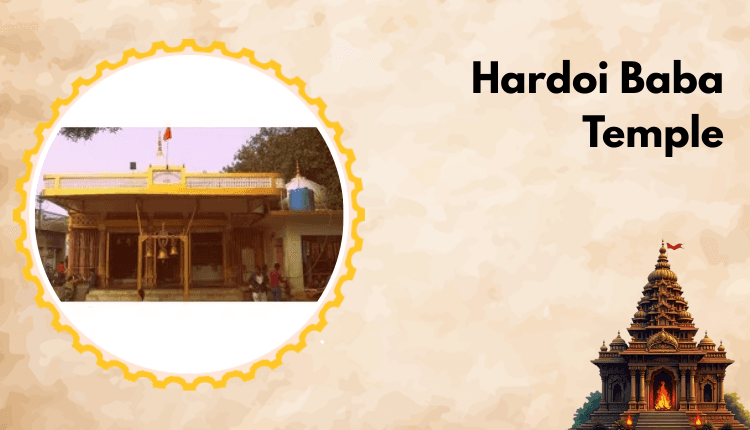
ShareHardoi Baba Temple
Planning to visit Hardoi Baba Temple? Learn about its sacred history, spiritual significance, temple timings, and key darshan tips to ensure a memorable and fulfilling pilgrimage experience.
About Hardoi Baba Temple
Hardoi Baba Temple is a revered spiritual site visited by countless devotees every year. Known for its divine aura, the temple is believed to fulfill the wishes of sincere worshippers and provide spiritual solace. Devotees come here to offer prayers, seek blessings, and participate in regular rituals conducted at the temple. The temple’s history is intertwined with local legends, emphasizing devotion, faith, and divine intervention. Visiting Hardoi Baba Temple is considered highly auspicious, bringing peace, protection, and positivity into the lives of its devotees. Whether you are a regular pilgrim or a first-time visitor, the temple offers a unique experience of spiritual growth and inner calm.
Pujas Chosen Just for You
Conduct a Puja in your name and gotra and seek divine blessings for your family.





Hardoi Baba Temple
It is believed that if someone comes to Hardoi Baba Temple with a sincere heart and asks Baba for something, their wish is fulfilled by Baba’s grace. Devotees then offer prayers, distribute prasad, and organize religious events at the temple.
Main Description:
Located in the Hardoi district of Uttar Pradesh, the Hardoi Baba Temple, also known as the Boodhe Baba Temple, is an ancient and highly revered shrine. The temple is considered a major center of faith and devotion. Devotees visit from far and wide, especially during special occasions and religious festivals. It is believed that if a devotee sincerely asks Baba for a wish, Baba listens and fulfills it. This is why the temple always attracts a large number of devotees. Those whose wishes are fulfilled often return to offer prayers, present prasad, and sometimes organize community feasts or religious ceremonies. Apart from fulfilling wishes, the temple also hosts various religious rituals such as mundan (first haircut), naming ceremonies, and other pujas. Devotees’ deep faith in Baba is such that it is said worshipping here brings relief from suffering and brings peace and happiness into one’s life.
History of Hardoi Baba Temple
The Boodhe Baba Temple in Hardoi is surrounded by many religious beliefs and historical anecdotes. It is estimated to be 400 to 500 years old, with knowledge passed down through generations of local families connected to the site. Originally, the area where the temple stands was surrounded by dense forests. A saintly baba lived there in a small hut, dedicating his life to meditation and devotion. Baba’s life was completely devoted to asceticism and spiritual practice. Legend says that Baba was so absorbed in meditation that he eventually took samadhi (final meditation) at that very spot. Over time, devotees’ reverence for this sacred land continued. Later, when the area was excavated, a divine idol was discovered. People considered it a blessing of Baba and installed the idol at the same location. A havan kund (ritual fire pit) was also created where the samadhi and idol were found. Even today, regular havans are performed there. Devotees come to pray and perform havan at this sacred site to fulfill their wishes. The temple is not just a religious site but a living shrine, believed to be a place where Baba’s spirit continues to bless and listen to devotees’ prayers. It has become a major center of faith not only for Hardoi district but also for surrounding areas.
Architecture of Hardoi Baba Temple
Although simple, the temple’s simplicity and sanctity attract devotees. Key features include: Main Entrance: The temple has a traditional main gate adorned with a trishul (trident) and small bells. There are designated places for lighting lamps on either side of the gate.
Sanctum (Garbha Griha): Inside the temple is a small room where Baba’s idol is placed. This is the spot where Baba took samadhi, and the area radiates profound peace.
Havan Kund: Near Baba’s idol is a circular havan kund made of bricks and stones, used for daily or periodic fire rituals.
Prayer Area: In front of the temple is an open space for worship and religious ceremonies, covered with a tin roof supported by pillars to protect devotees from sun and rain.
Prasad and Community Feast Area: Separate arrangements exist for distributing prasad and organizing feasts, often conducted by devotees in gratitude after their wishes are fulfilled.
Temple Timings
The temple remains open throughout the week, offering darshan and worship from morning to evening. Morning: 6:00 AM
Evening: 8:00 PM
On special occasions like Amavasya (new moon), Purnima (full moon), and Baba’s death anniversary, the temple remains open late into the night.
Prasad at Hardoi Baba Temple
The prasad offered at the temple is simple yet sacred, considered a blessing from Baba. Boondi or Laddoo: The most common prasad, offered to Baba and distributed among devotees.
Rice or Halwa: Some devotees offer rice, halwa, or khichdi after their wish is fulfilled, which is then shared as prasad.
Fruits and Coconut: Devotees offer fruits and dry coconuts to Baba, later distributed as prasad.
Flowers or Tulsi Leaves: Flowers and tulsi leaves offered to Baba are also taken by devotees as prasad.
How to Reach Hardoi Baba Temple
By Train: Hardoi has its own railway station with trains from major cities. From the station, autos or taxis can take you to the temple.
By Bus: Buses from nearby cities are available to Hardoi. From the bus stand, autos or taxis can reach the temple. Bus services are available from Delhi, Lucknow, Kanpur, and other major cities.
By Air: The nearest airport is Lucknow Airport, about 70 km from Hardoi. From the airport, taxis or buses can reach Hardoi in approximately 1.5 to 2 hours.

Did you like this article?
Recommended
Read more

Famous Temples in Varanasi
Discover famous temples in Varanasi you must visit in 2026. Explore history, significance, temple timings, and spiritual importance of Varanasi’s top temples.


Famous Shiva Temples in Chennai
Discover famous Shiva temples in Chennai you must visit in 2026. Explore history, significance, temple timings, and spiritual importance of Chennai’s top Shiva temples.

The Spiritual Heart of Pune
Discover the spiritual heart of Pune in 2026. Explore famous temples, ashrams, and sacred places that bring peace, devotion, and divine energy