 Download
 Share
ShareWhy is Mahashivratri Celebrated? The Story Behind the Festival
Discover why Mahashivratri is celebrated and the powerful legends behind this sacred night. Learn about Lord Shiva, important rituals, fasting traditions, and the deep spiritual significance of this holy festival.
About Why Mahashivratri is Celebrated
Mahashivratri is one of the most sacred Hindu festivals dedicated to Lord Shiva. Devotees observe this holy night to honor the divine power, compassion, and cosmic role of Shiva. According to Hindu mythology, Mahashivratri marks significant events such as the divine marriage of Shiva and Parvati, Shiva’s cosmic Tandava dance, and his selfless act of saving the universe during Samudra Manthan. This auspicious occasion symbolizes spiritual awakening, victory over darkness, and the union of Shiva and Shakti, inspiring millions of devotees across India and the world to fast, meditate, chant mantras, and perform Shiv puja with deep devotion.
Pujas Chosen Just for You
Conduct a Puja in your name and gotra and seek divine blessings for your family.
Why is Mahashivratri Celebrated? The Story Behind the Festival
Mahashivratri is one of the most important and sacred festivals in Hinduism. It is celebrated in honor of Lord Shiva, one of the principal deities of Hindu religion. The word Mahashivratri means “The Great Night of Shiva.” This holy night is observed with fasting, prayers, meditation, and night-long worship by millions of devotees across India and in many parts of the world. Mahashivratri is not just a religious festival but also a spiritual event. It teaches people the values of devotion, self-control, and inner awakening. But many people often ask: Why is Mahashivratri celebrated? What is the real story behind this great festival? There are several ancient stories and deep spiritual reasons that explain the importance of Mahashivratri.
Meaning of Mahashivratri
The name Mahashivratri comes from three Sanskrit words: Maha – Great Shiva – Lord Shiva (the auspicious one) Ratri – Night So, Mahashivratri means “The Great Night of Lord Shiva.” This night is considered very special because it is believed that divine energy is very active, making it an ideal time for prayer, meditation, and spiritual practices.
Main Reasons Why Mahashivratri is Celebrated
Mahashivratri is celebrated for many important religious and spiritual reasons. Different Hindu scriptures and traditions mention different stories. All of them together explain why this night is considered so powerful and sacred.
1. Marriage of Lord Shiva and Goddess Parvati
One of the most popular stories behind Mahashivratri is the divine marriage of Lord Shiva and Goddess Parvati. Goddess Parvati was deeply devoted to Lord Shiva. She performed long and difficult penance to win his heart. Her devotion, patience, and love pleased Lord Shiva. Finally, on the night of Mahashivratri, Lord Shiva accepted Parvati as his wife. Because of this, Mahashivratri is also seen as a symbol of love, dedication, and unity. Married women pray for a happy married life, and unmarried girls pray to get a good husband like Lord Shiva. This story teaches that true love and devotion always bring positive results.
2. The Night of Shiva’s Cosmic Dance (Tandava)
Another important belief is that on Mahashivratri, Lord Shiva performed his powerful Tandava, the cosmic dance. This dance represents: Creation of the universe Preservation of life Destruction of evil Rebirth and transformation Through Tandava, Lord Shiva shows that life is a continuous cycle. Nothing is permanent, and change is a natural part of existence. Mahashivratri is celebrated to honor this cosmic energy of Lord Shiva, who controls time, life, and the universe itself.
3. The Appearance of Shiva Lingam
According to ancient Hindu texts, Mahashivratri is also the day when Lord Shiva appeared in the form of a Shiva Lingam. The lingam represents the formless and infinite nature of God.It symbolizes that Lord Shiva has no beginning and no end. He is beyond shape, time, and space. That is why worship of the Shiva Lingam is one of the main rituals on Mahashivratri. This story teaches people to look beyond physical forms and understand the deeper spiritual truth.
4. The Story of Samudra Manthan (Churning of the Ocean)
One of the most famous and meaningful stories behind Mahashivratri is related to Samudra Manthan, the churning of the cosmic ocean. During this great event, gods (Devas) and demons (Asuras) worked together to churn the ocean to obtain Amrit, the nectar of immortality. But before Amrit came out, a deadly poison called Halahala emerged from the ocean. This poison was so powerful that it could destroy the entire universe. Everyone was afraid and helpless. To save the world, Lord Shiva drank the poison and held it in his throat. Goddess Parvati pressed his throat to stop the poison from going down into his body. Because of this, Lord Shiva’s throat turned blue, and he became known as Neelkanth (the blue-throated one). Mahashivratri is celebrated to remember this great sacrifice of Lord Shiva, who saved the universe by putting others before himself.
5. The Night of Spiritual Awakening
Mahashivratri is also celebrated as a night of spiritual awakening. It is believed that on this night, the natural energies of the universe are at their peak. Spiritual seekers believe that meditation on Mahashivratri helps in:
- Inner peace
- Self-realization
- Control over desires
- Higher spiritual awareness That is why many yogis, saints, and devotees stay awake all night and meditate. Staying awake is seen as a way to overcome darkness, ignorance, and laziness of the mind.
Religious and Cultural Importance
Mahashivratri is celebrated in temples and homes with great devotion. Some important rituals include:
- Fasting throughout the day
- Offering milk, water, honey, and bilva leaves to Shiva Lingam
- Chanting mantras like Om Namah Shivaya
- Night-long bhajans and kirtans
- Visiting Shiva temples Famous temples like Kashi Vishwanath, Somnath, Kedarnath, and Mahakaleshwar see huge crowds of devotees on this day.
Symbolic Meaning of Mahashivratri
Beyond stories and rituals, Mahashivratri has deep symbolic meaning:
- It represents the union of soul and God
- It teaches sacrifice and selflessness
- It reminds people to destroy inner evils like anger, ego, and greed
- It encourages discipline and self-control Lord Shiva is seen as a symbol of simplicity, meditation, and detachment from material desires. Mahashivratri reminds people to follow these values in daily life.
Why Night is Important on Mahashivratri
Unlike most festivals, Mahashivratri is celebrated mainly at night. The night represents:
- Darkness and ignorance
- Stillness and silence
- Inner reflection Staying awake symbolizes rising above ignorance and moving towards spiritual light. It is believed that prayers done at night on Mahashivratri are more powerful.
Relevance in Today’s Life
In modern life filled with stress, competition, and distractions, Mahashivratri offers a chance to slow down and look within. It teaches people to:
- Be calm and patient
- Control negative emotions
- Find balance between material and spiritual life
- Develop inner strength and peace Even people who are not deeply religious can use this day for self-reflection, meditation, and personal growth.
Conclusion
Mahashivratri is celebrated for many beautiful and meaningful reasons. It marks the marriage of Shiva and Parvati, honors Shiva’s cosmic dance, remembers his great sacrifice during Samudra Manthan, and supports spiritual awakening. More than just a festival, Mahashivratri is a reminder of the power of devotion, sacrifice, and inner transformation. It teaches people to let go of negativity and walk on the path of truth, peace, and spiritual growth. That is why Mahashivratri is not just celebrated it is experienced as a night of divine energy, deep faith, and spiritual renewal.

Did you like this article?
Recommended
Read more
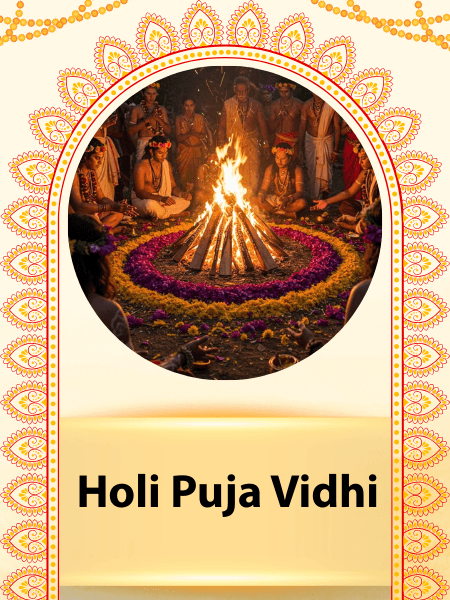
Holi Puja Vidhi Step-by-Step Guide
Perform Holi Puja 2026 correctly with this step-by-step guide. Know Holika Dahan muhurat, पूजा सामग्री, rituals, and the spiritual significance of Holi worship.

Holi in Mathura and Vrindavan
Experience Holi 2026 in Mathura and Vrindavan. Discover famous celebrations like Lathmar Holi, Phoolon ki Holi, temple rituals, and travel tips for the festival.
Difference Between Holi and Holika Dahan
Confused between Holi and Holika Dahan? Learn the key differences in date, rituals, meaning, and cultural importance of these two major Hindu festivals.