 Download
 Share
ShareVasant Panchami 2026
Waiting for Vasant Panchami 2026? Here is everything you need to know — the exact tithi, puja timings, Saraswati Puja Vidhi, rituals, mantras, and the spiritual significance of worshipping Maa Saraswati on this sacred spring festival.
About Vasant Panchami
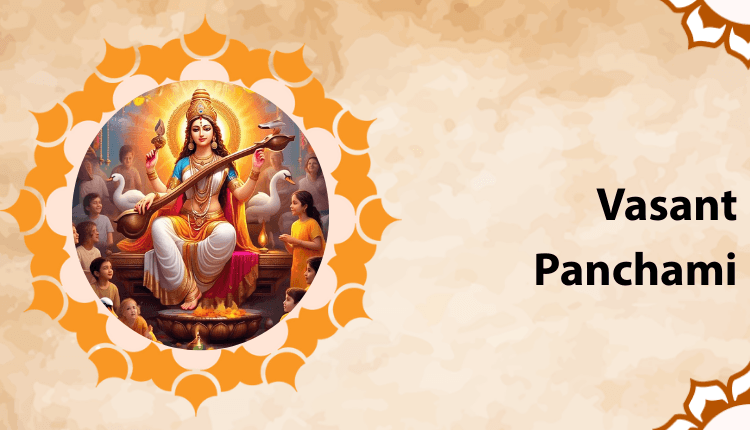
Vasant Panchami, also known as Sri Panchami or Saraswati Puja, is a vibrant Hindu festival worshipping Goddess Saraswati — the deity of knowledge, music, arts, wisdom, and learning. It marks the arrival of Vasant Ritu (spring) when nature blooms with freshness, positivity, and new beginnings. In 2026, devotees will observe Vasant Panchami with great devotion — offering prayers to Maa Saraswati for intelligence, creativity, academic excellence, and clarity of mind. Students keep their books in front of the Goddess, artists worship instruments, while children are traditionally taught the first letters of writing (Akshar Abhyas). Yellow is the colour of Vasant Panchami, symbolizing energy, growth, prosperity, and the vibrance of spring. People wear yellow clothes, prepare yellow sweets like kesari halwa, offer yellow flowers, and chant Saraswati mantras to invite divine blessings. Whether you are a student, musician, teacher, artist, or spiritual seeker, worshipping Maa Saraswati during Vasant Panchami is believed to remove ignorance, enhance wisdom, awaken creativity, and lead to success in education and life. Vasant Panchami is not just a celebration — it's a spiritual awakening, a day that opens doors to knowledge, growth, inspiration, and brightness within and around us.
Pujas Chosen Just for You
Conduct a Puja in your name and gotra and seek divine blessings for your family.




Vasant Panchami 2026: Date, Muhurat, Significance, Puja Vidhi, Mantras, Story, Benefits & Complete Guide
Vasant Panchami, also known as Saraswati Puja, is a vibrant and auspicious Hindu festival that marks the arrival of the spring season. Dedicated to Maa Saraswati, the Goddess of knowledge, wisdom, music, arts, and learning, this festival holds immense importance for students, teachers, artists, musicians, and all those who seek growth in the fields of education and creativity. In 2026, Vasant Panchami will be celebrated on Friday, January 23, 2026 with special pujas, rituals, yellow-themed celebrations, and prayers for knowledge and prosperity.
Vasant Panchami 2026 Date & Muhurat
Vasant Panchami Date: Friday, January 23, 2026 Vasant Panchami Muhurat: 07:13 AM to 12:33 PM Muhurat Duration: 5 Hours 20 Minutes Madhyahna Moment: 12:33 PM Panchami Tithi: Panchami Tithi Begins: 02:28 AM on January 23, 2026
Panchami Tithi Ends: 01:46 AM on January 24, 2026
This period is considered highly auspicious for performing Saraswati Puja, beginning new learning activities, and conducting academic ceremonies.
What Is Vasant Panchami?
Vasant Panchami marks the official beginning of the spring season (Vasant Ritu) in India. Nature begins to bloom, fields turn yellow with mustard flowers, and the weather becomes pleasant, symbolizing joy and renewal. Spiritually, the festival celebrates Maa Saraswati, who is believed to bless devotees with: Knowledge
Wisdom
Creativity
Pure thoughts
Success in education
The word ‘Vasant’ means spring, and ‘Panchami’ refers to the fifth day of the Magha month in the Hindu calendar. In various parts of India, Vasant Panchami is also associated with: The preparation for Holi
The start of agricultural activities
Beginning of new ventures
Performing Vidyarambh Sanskar for young children
Religious & Cultural Significance
-
Importance in Hindu Tradition Vasant Panchami is considered the birth day or appearance day of Maa Saraswati. On this day, people worship her to invite knowledge, music, art, and wisdom into their lives. Students place their books in front of the Goddess. Artists worship their musical instruments. Schools, colleges, and temples organize special Saraswati pujas.
-
Importance for Students Students observe this day with prayers to improve: Memory Focus Learning capacity Exam performance Academic success
-
Cultural Significance The festival celebrates: Yellow flowers New crops Breeze of spring Pleasant weather People wear yellow clothes and prepare traditional yellow dishes to honour the colour of spring.
-
Importance in Eastern India In Bengal, Odisha, Bihar, and Assam, Saraswati Puja is one of the biggest celebrations after Durga Puja.
-
Historical Significance Ancient scriptures like the Rigveda and Puranas describe Saraswati as the mother of Vedas, giving humanity the gift of knowledge and music.
Who Should Observe Vasant Panchami?
Although the festival is for everyone, it is especially beneficial for: Students (school, college, professionals) For better learning, memory, and exam success. Teachers, scholars, and writers For intellectual growth and clarity of thought. Artists, musicians, dancers For creativity, inspiration, and mastery. People starting new projects The day is considered Abhijeet Muhurat for new beginnings. Children beginning education Ideal day for Vidyarambh Sanskar (first writing ceremony). Anyone seeking peace and wisdom Saraswati’s blessings bring harmony and inner clarity.
Vasant Panchami Puja Vidhi (Step-by-Step Guide)
Follow these simple steps to perform Saraswati Puja at home. Step 1: Early Morning Preparation Wake up early and take a holy bath.
Clean the house and puja area.
Wear yellow or light-coloured clothes.
Decorate the puja place with yellow flowers (especially marigold).
Step 2: Set Up the Saraswati Puja Arrange the following items: Idol or picture of Maa Saraswati
Yellow flowers (marigold, mustard flowers if possible)
Books, instruments, notebooks, pens
Turmeric, kumkum, sandalwood paste
Incense sticks, diya
Fruits (especially bananas), sweets (boondi, kesari halwa)
Yellow-coloured food (saffron rice or sweet rice)
Place books and instruments near the idol. They represent the blessings of knowledge and creativity.
Step 3: Sankalp (Vow) Sit in front of the deity and take a pledge: “I perform this Saraswati Puja to bring knowledge, purity, wisdom, and growth into my life. May Maa Saraswati guide and bless me.”
Step 4: Invoking Maa Saraswati Light a diya and incense. Offer flowers and akshata (rice). Chant: “Om Aim Saraswatyai Namah” This mantra is believed to invite the Goddess into your home.
Step 5: Offerings & Worship Offer yellow flowers
Apply turmeric tilak to the idol
Place books and pens near the idol
Offer sweets and fruits
Perform aarti with family
Recite Saraswati Stotra or Saraswati Chalisa for added benefits.
Step 6: Fasting (Optional) Many devotees observe a simple fast: Only fruits and milk
Only satvik food
No onion or garlic
This fast is symbolic and not mandatory.
Step 7: Aarti & Prayer Perform aarti during the Muhurat time. Pray for: Knowledge Wisdom Success Creativity Clarity of mind
Step 8: Avoid Studying During Puja Books placed at the altar should not be touched until the puja is complete. This symbolizes surrendering your learning at the feet of the Goddess.
Vasant Panchami Special Rituals
- Vidyarambh Sanskar Young children write their first alphabet or start learning on this day. Common phrases used: “Om”
“Shree”
“Aum Saraswatyai Namah”
- Books & Instrument Worship Students, musicians, artists, and teachers place: Books
Laptops
Pens
Musical instruments
Study materials
near the deity to receive blessings.
-
Wearing Yellow Yellow represents: Prosperity Happiness Spring Good fortune People wear yellow clothes and prepare yellow dishes.
-
Flying Kites In some states like Punjab and Haryana, kite flying is a major tradition.
-
Preparing Yellow Food Mustard seeds and saffron are main ingredients. Popular dishes include: Kesari halwa Meethi basundi Saffron rice Boondi Sweet rice
Saraswati Puja Mantras for Vasant Panchami
These mantras enhance the spiritual energy of the day.
- Saraswati Beej Mantra “Om Aim Saraswatyai Namah”
- Saraswati Vandana “Ya Kundendu Tushara Hara Dhavala…”
- Shanti Mantra “Om Shanti Shanti Shantih” Chanting these mantras 108 times is believed to bring purity, concentration, and spiritual upliftment.
Vasant Panchami Story (Saraswati Puja Katha)
According to ancient legends, after the creation of the world, everything was lifeless and silent. Brahmaji felt that something important was missing. To bring life, colour, and creativity into the world, he created Maa Saraswati, holding a veena in her hands. Her music: Filled the earth with melodies
Gave voice to living beings
Brought knowledge into the world
Helped humanity understand wisdom
Thus, Vasant Panchami became the day of her blessing the world, and people worship her as the Mother of Learning. A second legend connects the festival to Kamadeva, the God of Love. It is believed that on Vasant Panchami, nature blooms and love blossoms. Many people consider this day auspicious to begin family-related ceremonies.
Benefits of Observing Vasant Panchami
Observing Vasant Panchami and performing Saraswati Puja brings several spiritual, mental, and life-enhancing benefits.
- Success in Education Improves learning abilities, clarity, concentration, and memory.
- Wisdom and Mental Peace Reduces confusion, anxiety, and mental stress.
- Creativity & Artistic Growth Beneficial for artists, poets, dancers, musicians, and writers.
- Professional Growth Sharpens decision-making and intuitive abilities.
- Blessings for Children Ideal for beginning education and improving study habits.
- Removal of Obstacles Saraswati’s blessings remove negativity and blockages in life.
- Emotional Balance Strengthens calmness, intelligence, and inner stability.
- Family Harmony Promotes peace, positive energy, and good fortune at home.
Vasant Panchami Food (What to Eat & Avoid)
Allowed / Recommended Fruits Milk, curd, kheer Saffron rice Boondi ladoo Sweet poha Satvik meals Besan or haldi-based dishes
Avoid Onion & garlic Non-vegetarian food Junk or processed food Spicy or tamasic items Alcohol / intoxicants
Important Do’s & Don’ts
Do’s Wear yellow clothes
Study with sincerity after the puja
Maintain cleanliness and purity
Keep a calm and focused mind
Worship books and instruments
Offer yellow flowers to the Goddess
Don’ts Avoid touching books during puja
Avoid anger, arguments, or negativity
Don’t consume non-veg or alcohol
Avoid wearing dark or inauspicious colours
After-Puja Rituals
After completing Saraswati Puja: Distribute prasad among family and friends
Donate food, books, pens, or clothes to the needy
Help students or support educational causes
Start learning something new
Read a spiritual text or chant mantras
These acts attract the blessings of Maa Saraswati.
Conclusion
Vasant Panchami 2026, falling on Friday, January 23, is a highly auspicious day to welcome the beautiful season of spring and the divine blessings of Maa Saraswati. Whether you are a student, artist, teacher, or professional, Saraswati Puja helps you gain wisdom, clarity, creativity, and inner peace. Performing the puja with devotion brings: Educational success
Peace and wisdom
Removal of obstacles
Creative inspiration
Family harmony
Prosperity and good fortune
Celebrate Vasant Panchami 2026 with faith, positivity, and gratitude, and may Maa Saraswati fill your life with knowledge, success, and light.

Did you like this article?
Recommended
Read more
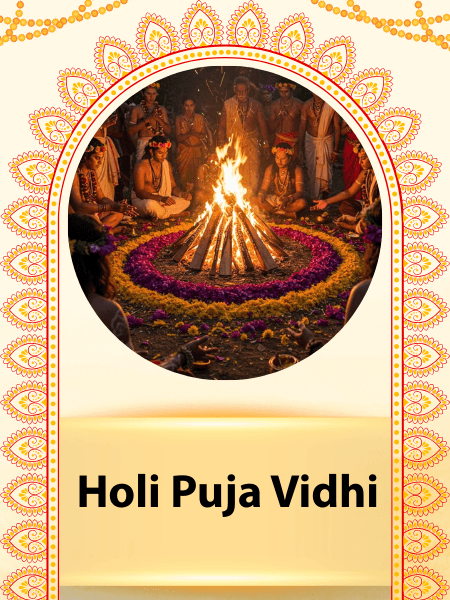
Holi Puja Vidhi Step-by-Step Guide
Perform Holi Puja 2026 correctly with this step-by-step guide. Know Holika Dahan muhurat, पूजा सामग्री, rituals, and the spiritual significance of Holi worship.

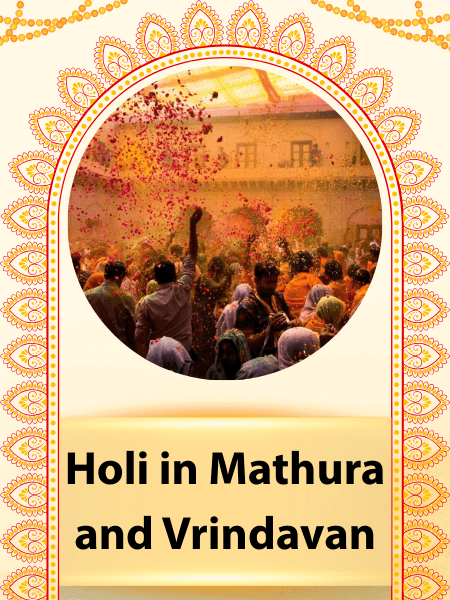
Holi in Mathura and Vrindavan
Experience Holi 2026 in Mathura and Vrindavan. Discover famous celebrations like Lathmar Holi, Phoolon ki Holi, temple rituals, and travel tips for the festival.
Difference Between Holi and Holika Dahan
Confused between Holi and Holika Dahan? Learn the key differences in date, rituals, meaning, and cultural importance of these two major Hindu festivals.