 Download
 Share
ShareTypes of Mahashivratri Fasting
Discover Mahashivratri meaning, history, significance, and why it is celebrated. Learn about Lord Shiva, rituals, fasting, and spiritual importance.
About Mahashivratri 2026
Mahashivratri 2026 is a sacred Hindu festival dedicated to Lord Shiva. Devotees observe fasting, perform night-long worship, and chant mantras to seek blessings. This auspicious night symbolizes spiritual awakening, inner peace, and the divine union of Shiva and Shakti, attracting millions of devotees across India and worldwide.
Pujas Chosen Just for You
Conduct a Puja in your name and gotra and seek divine blessings for your family.



Types of Mahashivratri Fasting
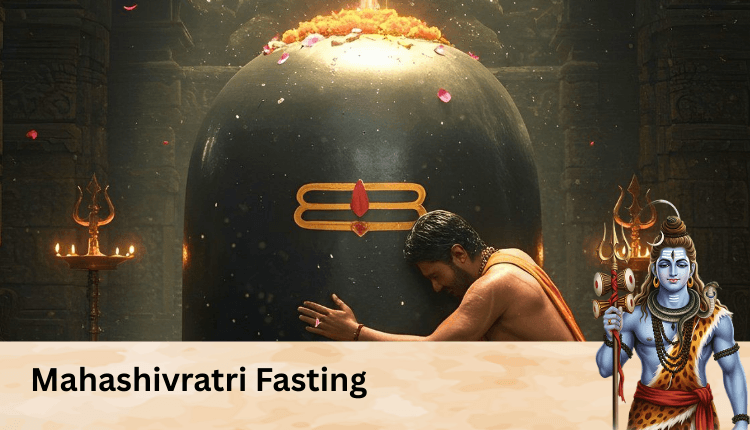
Mahashivratri is one of the most important Hindu festivals dedicated to Lord Shiva. On this holy day, millions of devotees observe a fast (vrat) to show devotion, discipline, and spiritual focus. Fasting on Mahashivratri is believed to purify the body and mind and bring the devotee closer to Lord Shiva. There are different types of Mahashivratri fasts. Not everyone follows the same rules. People choose the type of fast based on their health, age, tradition, and personal faith.
Why Do People Fast on Mahashivratri?
Before understanding the types, it is important to know why fasting is done. People fast on Mahashivratri to:
- Show devotion to Lord Shiva
- Practice self-control
- Purify the body and mind
- Focus on prayer and meditation
- Seek blessings for peace and prosperity Fasting is a spiritual practice, not a punishment. Lord Shiva values sincere devotion more than strict rules.
1. Nirjala Vrat (No Food, No Water)
Nirjala vrat is the strictest and most difficult form of fasting. What is allowed:
- No food
- No water
- Only prayers and chanting This fast is observed for the entire day and night of Mahashivratri. Who usually follows it: Strong and healthy people Experienced fasters Devotees who want to do strict penance Important note: Nirjala vrat is not compulsory. It should not be done by:
- Elderly people
- Pregnant women
- People with medical conditions
- Those who feel weak easily
- Health always comes first.
2. Jalahar Vrat (Only Water)
In Jalahar vrat, devotees:
- Drink only water
- Do not eat any food
- This is a simpler and safer option than nirjala vrat. Benefits:
- Keeps the body hydrated
- Helps maintain energy
- Easier to follow for long hours This fast is good for people who want to fast seriously but still take care of their body.
3. Phalahar Vrat (Fruits and Liquids)
Phalahar vrat is the most common type of Mahashivratri fast. In this fast, devotees can have:
- Fruits
- Water
- Milk
- Coconut water
- Fruit juices
- Dry fruits Who should choose this:
- Elderly people
- Working professionals
- First-time fasters
- People with health concerns Phalahar vrat allows the body to stay nourished while still maintaining the spiritual discipline of fasting.
4. Dugdhahar Vrat (Only Milk and Milk Products)
In Dugdhahar vrat, devotees consume:
- Milk
- Curd
- Buttermilk
- Paneer (in some traditions)
- Milk is considered pure and sacred, especially in Shiva worship. Spiritual meaning: Milk is used in Shivling Abhishek, so consuming milk during fast is seen as pure and sattvic. This fast is easier than nirjala and suitable for many people.
5. Ekahaar Vrat (One-Time Meal)
In Ekahaar vrat, devotees: Eat only one light meal in the day Avoid grains and regular salt Eat only vrat-friendly food The meal usually includes:
- Fruits
- Sabudana
- Potatoes
- Kuttu (buckwheat)
- Singhara flour
- Rock salt (sendha namak) This is a balanced option for people who cannot fast for the full day. 6. Partial Fast (Simple Vrat) Some devotees follow a very simple fast. They may:
- Avoid onion and garlic
- Eat light vegetarian food
- Avoid grains
- Focus on prayer and simplicity This type of fast is suitable for:
- Elderly people
- Sick people
- Children
- Busy professionals This fast still holds spiritual value.
What Foods Are Allowed in Mahashivratri Fast?
Depending on the fast type, common vrat foods include:
- Fruits (banana, apple, papaya, pomegranate)
- Milk and curd
- Coconut and coconut water
- Dry fruits
- Sabudana (tapioca pearls)
- Potatoes
- Sweet potato
- Kuttu atta (buckwheat flour)
- Singhara atta (water chestnut flour)
- Sendha namak (rock salt)
Foods to Avoid During Mahashivratri Fast
Most devotees avoid:
- Rice
- Wheat
- Pulses and lentils
- Onion
- Garlic
- Regular table salt
- Non-vegetarian food
- Alcohol
Spiritual Meaning of Different Fasts
Each type of fast teaches something:
- Nirjala vrat teaches strong self-control
- Jalahar vrat teaches simplicity
- Phalahar vrat teaches balance
- Ekahaar vrat teaches moderation All fasts help reduce attachment to physical pleasures and increase focus on Lord Shiva.
Conclusion
Mahashivratri fasting is a personal spiritual practice. Whether you follow nirjala, phalahar, jalahar, or a simple vrat, what truly matters is your faith, purity of heart, and devotion to Lord Shiva. Lord Shiva is kind and compassionate. He accepts every form of sincere worship. Do not compare your fast with others. Choose what is right for your body and mind. The true meaning of Mahashivratri fasting is to stay connected with Lord Shiva through prayer, discipline, and inner peace. Om Namah Shivaya!

Did you like this article?
Recommended
Read more
Holi Puja Vidhi Step-by-Step Guide
Perform Holi Puja 2026 correctly with this step-by-step guide. Know Holika Dahan muhurat, पूजा सामग्री, rituals, and the spiritual significance of Holi worship.

Holi in Mathura and Vrindavan
Experience Holi 2026 in Mathura and Vrindavan. Discover famous celebrations like Lathmar Holi, Phoolon ki Holi, temple rituals, and travel tips for the festival.
Difference Between Holi and Holika Dahan
Confused between Holi and Holika Dahan? Learn the key differences in date, rituals, meaning, and cultural importance of these two major Hindu festivals.