 Download
 Share
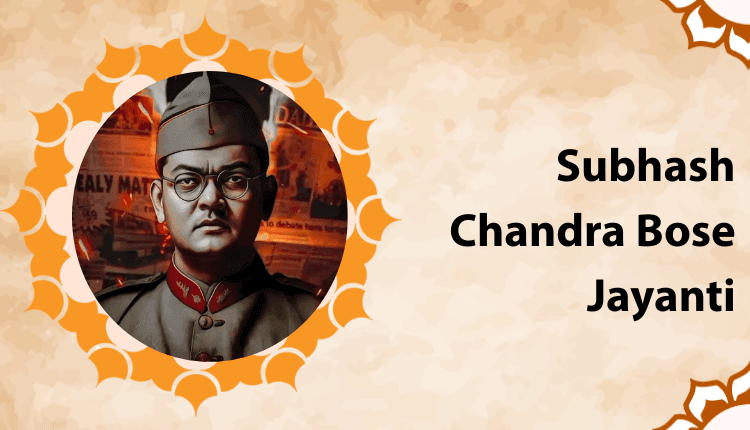
ShareSubhash Chandra Bose Jayanti 2026
Waiting for Subhash Chandra Bose Jayanti 2026? Discover the date, significance, powerful speeches of Netaji, Indian National Army (INA) formation, slogans, and activities organized across India to commemorate one of the bravest freedom fighters of the nation.
About Subhash Chandra Bose Jayanti
Subhash Chandra Bose Jayanti is celebrated every year to honor Netaji Subhash Chandra Bose, one of India’s greatest revolutionaries, freedom fighters, and national leaders. Born on 23 January 1897 in Cuttack, Odisha, Bose dedicated his entire life to India’s independence, inspiring millions with his courage, sacrifice, and unshakeable patriotism. Netaji believed that freedom cannot be begged — it must be achieved through strength, unity, and courage. With this belief he formed the Azad Hind Fauj (Indian National Army - INA), motivating people with his electrifying words: "Tum mujhe khoon do, main tumhe azaadi dunga." Give me blood, and I shall give you freedom. On this day, schools, colleges, and government institutions conduct parades, speeches, patriotic songs, exhibitions, and flag-hoisting ceremonies. Documentaries, historical reenactments, and cultural programs recall Netaji’s contribution. His bravery continues to awaken nationalism and pride in every Indian heart. Netaji is remembered as a symbol of fearlessness, leadership, discipline, and a visionary of a free India. He inspired countless patriots to rise against colonial rule and dream of Swaraj — India free and strong. His journey from the Indian Civil Services (ICS) to the battlefield stands as a powerful reminder that true leaders never bow down to oppression. On Subhash Chandra Bose Jayanti, people pay homage at Netaji Bhawan (Kolkata), Red Fort (Delhi), INA Museum, and various memorials across India and overseas. Children participate in essay competitions, march-past, poem recitation, and freedom rallies holding messages of national pride. This is not just a commemoration — it is a celebration of courage, self-respect, sacrifice, patriotism, and the burning spirit of independence. Subhash Chandra Bose Jayanti teaches us to uphold truth, stand against injustice, and work for a strong, united and progressive India.
Pujas Chosen Just for You
Conduct a Puja in your name and gotra and seek divine blessings for your family.
Subhash Chandra Bose Jayanti 2026: 129th Birth Anniversary of Netaji Subhas Chandra Bose
Complete Guide – Life, Struggle, Ideology, Achievements, Legacy & Importance Subhash Chandra Bose Jayanti, also known as Netaji Jayanti or Parakram Diwas, is celebrated every year on 23 January to honour one of India’s greatest freedom fighters. In 2026, India will celebrate the 129th Birth Anniversary of Netaji Subhas Chandra Bose, a legendary leader whose courage, discipline, and patriotism inspired millions during India’s struggle for independence. Netaji is remembered for his unmatched nationalism, his call of “Give me blood and I shall give you freedom!”, and for forming the Azad Hind Fauj (Indian National Army – INA) to liberate India from British rule. His life was short, but the impact he left on India’s freedom movement is everlasting. This complete guide covers his birth anniversary significance, biography, contributions, ideology, Azad Hind Fauj, disappearance mystery, celebrations, quotes, and his timeless influence on modern India.
Who Was Subhas Chandra Bose?
Subhas Chandra Bose (1897–1945) was one of the most dynamic and courageous leaders of the Indian freedom struggle. He was bold, fearless, and uncompromising in his dream of seeing India free from British rule. While many freedom fighters followed non-violence, Bose believed that armed resistance, sacrifice, and unity were essential to achieve complete independence. Because of his extraordinary leadership qualities and discipline, he came to be known as Netaji, meaning “Respected Leader”.
Early Life and Background
Birth and Family Born: 23 January 1897
Place: Cuttack, Odisha
Father: Janakinath Bose (prominent lawyer)
Mother: Prabhavati Devi (religious and kind-hearted)
Subhas was the ninth child among fourteen siblings.
His upbringing was modern yet deeply rooted in Indian cultural values. From childhood, he was known for discipline, intelligence, sensitivity, and leadership qualities. Education Schooling at Ravenshaw Collegiate School, Cuttack
College at Presidency College, Calcutta
Later studied at Fitzwilliam College, Cambridge, preparing for the Indian Civil Service (ICS)
He passed the ICS examination with high rank, but refused to work under British rule. This bold decision marked the beginning of his revolutionary journey. Entry into Indian Freedom Movement After resigning from ICS in 1921, Bose returned to India to join the Indian National Congress (INC) under the leadership of Mahatma Gandhi and C. R. Das. Early Roles Worked as a volunteer and later became a youth leader
Took part in non-cooperation activities
Became the Mayor of Calcutta (1924)
Imprisoned several times by the British due to his growing influence
His determination and courage made him one of the most promising young leaders of India.
Rise as a National Leader Congress President Netaji was elected as the President of the Indian National Congress twice: 1938 – Haripura Session
1939 – Tripuri Session
As the Congress President, he: Called for complete independence
Pushed for rapid industrialization
Urged India to prepare militarily
Established the National Planning Committee
However, ideological differences with Gandhiji and other Congress leaders led to his resignation in 1939. Formation of Forward Bloc In 1939, after leaving Congress leadership, Bose formed the Forward Bloc, aiming to unite all anti-British forces. His vision was to mobilize the nation for a final struggle against colonial rule. He was arrested again, but his mind was already fixed on a much larger plan.
The Great Escape of 1941 One of the most thrilling episodes of his life was his secret escape from house arrest in Calcutta in January 1941. Disguised and travelling thousands of kilometres across India, Afghanistan, and Russia, he finally reached Germany. This dramatic escape symbolized his unstoppable determination.
Journey to Germany Netaji sought help from Axis powers (Germany, Italy, Japan) to build an army that could attack the British from outside India. In Germany he: Formed the Free India Centre
Raised the Indian Legion (with Indian POWs)
Broadcast messages to Indians through Radio Berlin
Although Germany supported him, Netaji realized that Japan was better positioned in Asia to help free India.
Azad Hind Fauj (INA) and the Freedom Movement
The turning point of his life came when he reached Singapore in 1943. Here he took the leadership of the Indian National Army, originally founded by Captain Mohan Singh and later reorganized by Rash Behari Bose. What Netaji Did: Reorganized the INA into a powerful force
Created the Azad Hind Government (Arzi Hukumat-e-Azad Hind)
Introduced inspiring slogans:
“Jai Hind!”
“Give me blood, and I shall give you freedom!”
“Dilli Chalo!”
Formed the Rani Lakshmibai Regiment, a women’s armed battalion, the first of its kind in Asia
Under his leadership, the INA fought in: Burma (Myanmar)
Imphal
Kohima
Even though the military campaign couldn’t defeat British forces completely, it shook the morale of the British Empire and sparked powerful nationalistic emotions in India. Mysterious Disappearance (1945) Netaji is said to have died in a plane crash on 18 August 1945 in Taiwan. However, his disappearance remains one of India’s greatest mysteries. Many believe: He survived and lived in secrecy
He returned to India as an unknown saint
The crash was staged to escape Allied forces
He died much later in anonymity
Several government committees investigated the case, but the true story remains unresolved.
Significance of Netaji Jayanti (Parakram Diwas)
In 2021, the Government of India officially declared 23 January as Parakram Diwas (Day of Courage) to honour Netaji’s unmatched bravery, leadership, and sacrifice. The day symbolizes: Courage in the face of difficulties
Love for the motherland
Dedication to national service
Unity, discipline, and patriotism
Major Contributions of Netaji Subhas Chandra Bose
- Military Resistance Against British Rule He believed that India must fight for freedom and prepared the INA to challenge British military power.
- Formation of Azad Hind Government Netaji’s provisional government gained recognition from several countries, proving India’s capability for self-rule.
- Promoting Women Empowerment He created the all-women Rani Lakshmibai Regiment, giving women a key role in national freedom.
- National Planning Vision Netaji was the first to highlight: Industrialization Economic planning Scientific development The Planning Commission formed after independence was inspired by his ideas.
- Uniting Indians Across Religions He brought together Hindus, Muslims, Sikhs, Christians, and others in the INA without discrimination.
- Inspiring Youth and Masses His speeches motivated millions to join the freedom movement and strengthened the fight against colonial rule.
Ideology and Beliefs of Netaji
-
Complete Independence (Purna Swaraj) Long before Congress formally demanded it, Bose believed India must achieve full freedom.
-
Militaristic Nationalism He believed freedom must be protected by strength and discipline.
-
Secularism To Netaji, religion was personal; the nation stood united beyond religious boundaries.
-
Economic Development His vision included: Heavy industries
Science and technology
Workers’ rights
Equal opportunities
- Sacrifice and Duty He lived by the principle of: “Nation above everything else.”
How Subhash Chandra Bose Jayanti Is Celebrated
Across India and the world, the day is celebrated with: Flag hoisting
Tributes at statues and memorials
Marches by students and youth groups
School and college programs
Cultural programs, plays, and exhibitions
Speeches about his life and contributions
Documentaries and special TV shows
INA songs and patriotic hymns
In 2026, on his 129th birth anniversary, many cities will host special events remembering his sacrifices.
Famous Quotes of Netaji Subhas Chandra Bose
“Give me blood, and I shall give you freedom!”
“Freedom is not given, it is taken.”
“One individual may die for an idea, but that idea will, after his death, incarnate itself in a thousand lives.”
“Jai Hind!”
“It is our duty to pay for our liberty with our own blood.”
“No real change in history has ever been achieved by discussions.”
These words still ignite patriotism in the hearts of Indians.
Legacy of Netaji Subhas Chandra Bose
Even after many decades, Netaji continues to inspire: Soldiers
Students
Political leaders
Thinkers
Freedom lovers
His Legacy Includes: Modern Indian nationalism
Armed struggle against injustice
Women’s empowerment
Economic planning
Unquestioned patriotism
Institutions, roads, airports, awards, and museums across India bear his name in honour of his service. Why Netaji Still Matters Today In today’s fast-changing world, Netaji’s values remain deeply relevant: Courage during challenges
Discipline in personal and national life
Love for the country
Unity across religions
Hard work and sacrifice
He showed India that true freedom requires both action and responsibility.
Conclusion
Subhash Chandra Bose Jayanti 2026 marks the 129th birth anniversary of one of India’s greatest heroes. Netaji’s life is a shining example of unmatched bravery, dedication, and love for the motherland. His sacrifices, leadership, and unshakeable determination continue to inspire millions. Whether through the Indian National Army, the call for complete independence, or his fearless ideas, Netaji shaped the destiny of modern India in unforgettable ways. Celebrating his birth anniversary is not just about remembering history — it is about learning to live with courage, discipline, and patriotism, just as he taught.

Did you like this article?
Recommended
Read more
Holi Puja Vidhi Step-by-Step Guide
Perform Holi Puja 2026 correctly with this step-by-step guide. Know Holika Dahan muhurat, पूजा सामग्री, rituals, and the spiritual significance of Holi worship.

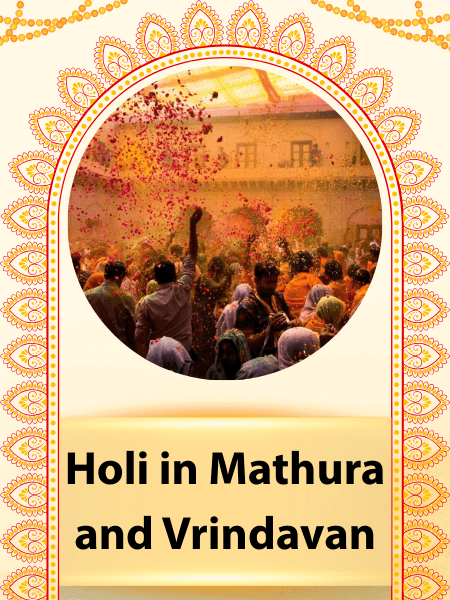
Holi in Mathura and Vrindavan
Experience Holi 2026 in Mathura and Vrindavan. Discover famous celebrations like Lathmar Holi, Phoolon ki Holi, temple rituals, and travel tips for the festival.
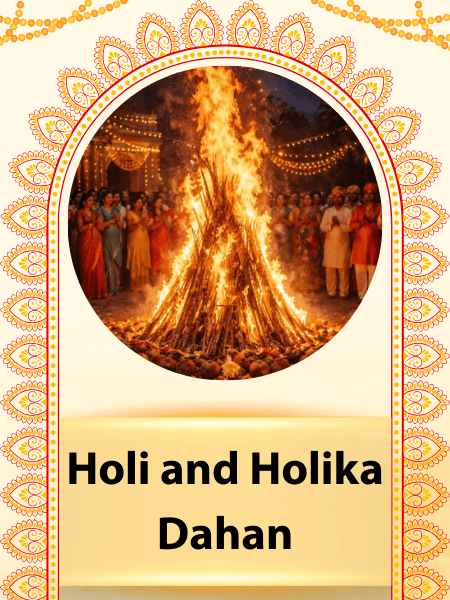
Difference Between Holi and Holika Dahan
Confused between Holi and Holika Dahan? Learn the key differences in date, rituals, meaning, and cultural importance of these two major Hindu festivals.