 Download
 Share
ShareShakambhari Purnima 2026
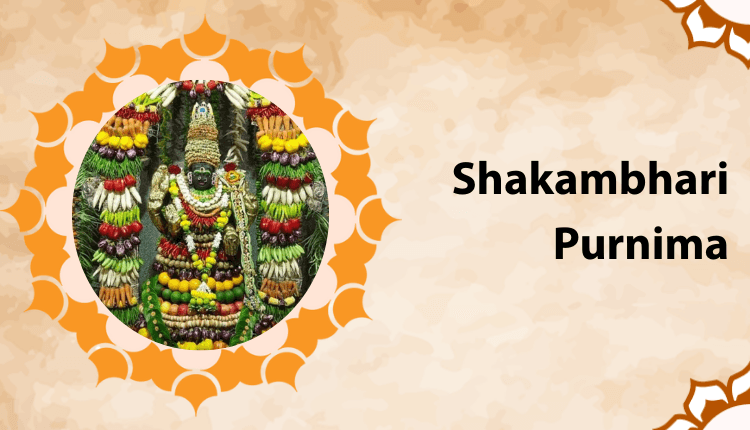
Waiting for Shakambhari Purnima 2026? Discover the exact date, the spiritual katha of Maa Shakambhari, step-by-step puja procedures, and the hidden benefits every devotee must know. This auspicious festival marks the divine descent of Goddess Shakambhari, the Goddess of vegetation and nourishment, who blessed the earth with food and greenery. Devotees observe fasts, perform puja, chant mantras, and seek blessings for health, prosperity and abundance.
About Shakambhari Purnima
Shakambhari Purnima is a sacred Hindu festival celebrated in honor of Goddess Shakambhari, an avatar of Goddess Durga known for providing nourishment to the world. This divine day falls on the full moon of the Paush month and marks the conclusion of the Shakambhari Navratri. According to ancient stories, when the world suffered from drought and famine, Maa Shakambhari manifested to restore balance by bringing vegetation, herbs, fruits, and life back to earth. Devotees observe this day with deep faith through fasting, puja, and reciting her katha. The festival symbolizes healing, abundance, compassion, and gratitude towards nature. By worshipping Maa Shakambhari, devotees experience peace, prosperity, protection, and spiritual growth.
Pujas Chosen Just for You
Conduct a Puja in your name and gotra and seek divine blessings for your family.
Shakambhari Purnima 2026: Date, Significance, Puja Vidhi, Katha, Mantras, Benefits & Complete Guide
Shakambhari Purnima, also known as Pausha Purnima, is one of the most significant full-moon days in the Hindu calendar. This sacred day marks the conclusion of the Shakambhari Navratri, a nine-day festival dedicated to Goddess Shakambhari, the divine mother who nourishes the universe with food, vegetation, and healing energy. In 2026, Shakambhari Purnima will be observed with great devotion across India, especially in regions where Goddess Shakambhari is worshipped as an avatar of Mahadevi Durga. This complete guide covers the dates, significance, rituals, fasting method, puja vidhi, katha, benefits, and Purnima calendar for 2026.
What Is Shakambhari Purnima
Shakambhari Purnima is celebrated on the full moon day (Purnima) during the Pausha month of the Hindu calendar. It marks the final day of Goddess Shakambhari’s descent to Earth, when she nourished humanity during a long famine by producing fruits, vegetables, and herbs from her body. This day is observed with: Special pujas Fasting Charity of food Worship of plants and nature Visit to Shakambhari Devi temples Shakambhari Purnima is also known as: Pausha Purnima Shakambhari Jayanti Shakambhari Utsav Shakambhari Navratri Completion Day It is an auspicious day for spirituality, charity, river bathing, purification, and beginning new religious vows.
Shakambhari Purnima 2026 Date & Timings
Shakambhari Purnima (Pausha Purnima) Date: January 3, 2026 (Saturday) Purnima Tithi Begins: January 2, 2026 – 06:53 PM Purnima Tithi Ends: January 3, 2026 – 03:32 PM Devotees performing Pausha Purnima Vrat should check local panchang for sunrise-based timing.
Other Important Purnima Dates in 2026
Below is the list of all major Purnima days of 2026 along with related festivals:
Month | Date | Day | Festivals |
| January | Jan 2–3 | Thu–Fri | Pausha Purnima, Shakambhari Purnima |
| February | Feb 1 | Sunday | Magha Purnima, Guru Ravidas Jayanti, Lalita Jayanti |
| March | Mar 3 | Tuesday | Phalguna Purnima, Holika Dahan, Dol Purnima, Lakshmi Jayanti |
| April | Apr 1–2 | Wed–Thu | Chaitra Purnima Vrat, Hanuman Janmotsava |
| May | May 1 | Friday | Vaishakha Purnima, Buddha Purnima, Kurma Jayanti |
| May | May 30–31 | Sat–Sun | Adhika Purnima, Jyeshtha Purnima |
| June | Jun 29 | Monday | Vat Purnima, Jyeshtha Purnima, Kabir Jayanti |
| July | Jul 28–29 | Tue–Wed | Kokila Vrat, Guru Purnima |
| August | Aug 27–28 | Thu–Fri | Shravana Purnima, Raksha Bandhan, Gayatri Jayanti, Narali Purnima |
| September | Sep 26 | Saturday | Bhadrapada Purnima, Purnima Shraddha |
| October | Oct 25–26 | Sun–Mon | Sharad Purnima, Kojagara Puja, Valmiki Jayanti, Meerabai Jayanti |
| November | Nov 24 | Tuesday | Kartika Purnima, Dev Diwali, Guru Nanak Jayanti |
| December | Dec 23 | Wednesday | Margashirsha Purnima, Dattatreya Jayanti, Annapurna Jayanti |
Significance of Shakambhari Purnima
-
Celebration of Goddess Shakambhari Goddess Shakambhari is considered the Mother of Vegetation, a divine form of Durga who nourishes the world with: Fruits Vegetables Herbs Medicines On this day, devotees express gratitude for food, nature’s gifts, and abundance.
-
End of Shakambhari Navratri Shakambhari Navratri lasts for 8–9 days in Pausha month. The final day, Pausha Purnima, marks: Completion of fasting Offering of green vegetables to the goddess Special temple celebrations
-
Importance of Charity Shakambhari Purnima is one of the most auspicious days for anna-daan (food donation). Donating food on this day is believed to remove poverty and hunger from one’s karma.
-
Beginning of Magha Month (Magha Snan) Pausha Purnima marks the start of the holy Magha month, when: Sacred river baths (Ganga snan) begin Kalpavas is traditionally started Pilgrims gather in Prayagraj
-
Spiritual Cleansing Worshipping on Shakambhari Purnima is believed to: Purify mind and body Remove negativity Bring prosperity and happiness
Who Should Observe Shakambhari Purnima Vrat?
This vrat is beneficial for: Families seeking prosperity The goddess blesses abundance, food, and household wellbeing.
Farmers and those dependent on agriculture She is the goddess of crops and vegetation. People facing financial instability Her worship helps remove poverty-related obstacles. Those suffering from health issues Shakambhari Devi is the giver of herbal healing. Devotees wanting spiritual upliftment The vrat brings peace, purity, and divine grace.
Shakambhari Purnima Puja Vidhi
Follow these simple steps to perform the puja at home.
Step 1: Morning Rituals Wake up early during Brahma Muhurat. Take a holy bath. Clean the puja place and decorate it. Wear fresh, clean clothes.
Step 2: Set Up the Puja Altar Place: Image or idol of Goddess Shakambhari A Kalash with water Fruits, vegetables, grains Diya, incense, flowers Tulsi, durva, and green leaves Offer green vegetables as a symbol of gratitude.
Step 3: Sankalp (Vow) Sit before the deity and take a vow: To perform Purnima vrat with devotion To follow purity To seek blessings of nourishment and health
Step 4: Main Worship Light the diya and incense Offer flowers, water, vegetables Recite Shakambhari Stuti or Durga mantra Offer bhog (sweet rice, fruits, green vegetables) Perform aarti
Step 5: Fasting Method There are three ways to observe the fast: Phalahar Vrat Fruits, milk, and herbal drinks only. Satvik Food Once a Day No onion, garlic, grains, or spicy food. Complete Fast For dedicated devotees (optional).
Step 6: Evening Ritual Perform second aarti Light lamp again Offer vegetables and fruits
Step 7: Breaking the Fast (Parana) Vrat ends after Purnima Tithi expires. Break fast with: Fruits Satvik meal Charanamrit Offer food to the poor
Shakambhari Purnima Katha
According to the legends, once a severe drought struck Earth for hundreds of years. People suffered intense hunger and misery. To save humanity, Goddess Shakambhari emerged from the cosmic energy. From her body grew: Fruits Vegetables Herbs Medicinal plants She nourished the world and ended the famine. People worshipped her with devotion and thanked her for restoring life. Moral: The divine mother fulfills all needs when worshipped with sincerity and purity of heart.
Benefits of Shakambhari Purnima Vrat
-
Blessings of Prosperity Goddess Shakambhari removes scarcity and blesses the home with: Food Wealth Flourishing crops Household harmony
-
Good Health The goddess represents herbal healing. The vrat helps: Improve immunity Cure illnesses Bring emotional balance
-
Removal of Poverty & Obstacles Food donation on this day is believed to eliminate: Financial problems Ancestral karmic debts Blockages in progress
-
Spiritual Growth Observing the vrat leads to: Calm mind Mental purity Divine protection Enhanced meditation
-
Harmony with Nature This festival teaches: Respect for food Gratitude toward plants Awareness of environmental balance
Mantras & Stotra for Shakambhari Purnima
- Shakambhari Devi Mantra “Om Shakambhari Devi Namah”
- Durga Mantra “Om Dum Durgayei Namaha”
- Peace/Healing Mantra “Om Shanti Shanti Shantih” Chanting these mantras 108 times gives maximum benefit.
Allowed & Not Allowed Foods During the Vrat
Allowed Fruits Milk, curd Sabudana dishes Rock salt Light satvik food Herbal drinks
Not Allowed Onion, garlic Grains (for strict observers) Spicy food Non-veg Alcohol Fried or junk items
After-Fasting Rituals After completing the vrat: Donate food, vegetables, or money Feed cows and birds Offer prayers and thank the goddess Share food with family and neighbours These acts multiply the positive results of the vrat.
Conclusion
Shakambhari Purnima 2026 is a powerful day for prosperity, nourishment, health, and spiritual upliftment. Worshipping Goddess Shakambhari on this day removes poverty, fulfills desires, and blesses devotees with abundance. Whether you observe the fast for health, peace, or devotion, Shakambhari Purnima brings divine protection and prosperity to all homes.

Did you like this article?
Recommended
Read more
Holi Puja Vidhi Step-by-Step Guide
Perform Holi Puja 2026 correctly with this step-by-step guide. Know Holika Dahan muhurat, पूजा सामग्री, rituals, and the spiritual significance of Holi worship.

Holi in Mathura and Vrindavan
Experience Holi 2026 in Mathura and Vrindavan. Discover famous celebrations like Lathmar Holi, Phoolon ki Holi, temple rituals, and travel tips for the festival.
Difference Between Holi and Holika Dahan
Confused between Holi and Holika Dahan? Learn the key differences in date, rituals, meaning, and cultural importance of these two major Hindu festivals.