 Download
 Share
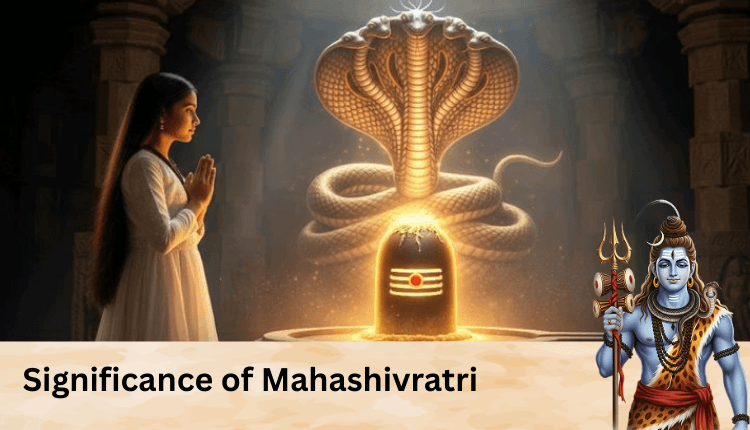
ShareScientific Significance of Mahashivratri
Discover the scientific significance of Mahashivratri and understand how ancient traditions like fasting, night vigil, and meditation benefit the human body and mind. Learn why this sacred night dedicated to Lord Shiva is considered powerful from both spiritual and scientific perspectives.
About the Scientific Significance of Mahashivratri
Mahashivratri is not only a sacred Hindu festival dedicated to Lord Shiva but also holds interesting scientific relevance. Practices such as fasting, staying awake at night, chanting mantras, and meditation are believed to positively influence physical health, mental clarity, and emotional balance. This auspicious night is associated with heightened natural energies and planetary alignment, encouraging devotees to remain upright, alert, and spiritually focused. Millions of devotees across India and worldwide observe these traditions for both spiritual upliftment and holistic well-being.
Pujas Chosen Just for You
Conduct a Puja in your name and gotra and seek divine blessings for your family.
Scientific Significance of Mahashivratri
Mahashivratri is one of the most important festivals in Hinduism, dedicated to Lord Shiva. It is known as “The Great Night of Shiva.” Millions of people observe this night with fasting, meditation, prayers, and staying awake all night.While Mahashivratri is mainly known for its religious and spiritual importance, many people also believe that it has a scientific and natural significance. Ancient Indian traditions often connected festivals with nature, the human body, and cosmic energies. Mahashivratri is believed to be one such festival that is linked to natural and biological rhythms. This article explains the scientific significance of Mahashivratri in simple English, so that everyone can understand how this ancient festival may also be connected to health, nature, and human well-being.
Connection with Lunar Cycle
Mahashivratri is celebrated on the 14th day of the dark fortnight (Krishna Paksha) of the lunar month. On this night, the moon is almost completely dark.From a scientific point of view, the moon has a strong effect on the Earth, especially on water bodies due to gravity. Since the human body is made up of about 60–70% water, many believe that the moon also affects human emotions, sleep patterns, and mental state. On Mahashivratri, when the moon’s visibility is very low, it is believed that the mind becomes calmer and more inward-focused. This is considered a good time for meditation, self-reflection, and mental discipline.
Natural Alignment of Energies
According to yogic science, Mahashivratri is a night when the natural energies of the body and the universe are in a supportive position.It is believed that on this night, the northern movement of energy in the human system becomes stronger. This is why yogic traditions recommend:
- Sitting upright
- Meditating
- Keeping the spine straight
- Staying awake From a physical point of view, keeping the spine straight helps in better breathing, better posture, and improved nervous system function. This may help the body stay alert and balanced.
Importance of Staying Awake (Sleep Science)
Staying awake all night is a key part of Mahashivratri. Spiritually, it represents awareness. Scientifically, staying awake for a special purpose like meditation can change brain activity. Modern science shows that meditation and focused attention can:
- Reduce stress hormones
- Improve concentration
- Calm the nervous system
- Improve emotional balance Although lack of sleep is generally not recommended daily, staying awake occasionally for spiritual or mental discipline, along with calm activities like meditation and chanting, may help people experience a different state of awareness.
Fasting and Digestive Rest
Fasting is another major part of Mahashivratri. From a scientific and health point of view, fasting gives rest to the digestive system. Benefits of short-term fasting may include:
- Better digestion
- Detoxification of the body
- Improved metabolism
- Better control over eating habits Eating light food like fruits and milk or doing a full fast allows the body to focus energy on repair and cleansing instead of digestion. This practice also helps people develop self-control, which is important for both physical and mental health.
Effect on Mental Health and Stress Reduction
Modern life is full of stress, anxiety, and mental pressure. Mahashivratri encourages practices that are known to reduce stress:
- Meditation
- Chanting
- Silence
- Slow breathing (Pranayama)
- Self-reflection Scientific studies show that meditation and chanting can: Lower blood pressure Reduce anxiety Improve mood Increase mental clarity So, even from a scientific point of view, Mahashivratri supports mental and emotional well-being.
Biological Clock and Body Rhythms
The human body follows a biological clock, also called the circadian rhythm. This controls sleep, hunger, hormones, and energy levels. Mahashivratri encourages people to become more aware of their body and mind. Changing routine for one night, combined with fasting and meditation, may help people reset certain habits and become more mindful of their daily rhythms. This increased awareness can help people improve lifestyle choices after the festival.
Posture and Spine Health
Many traditions advise devotees to sit in a straight posture during Mahashivratri prayers and meditation. From a scientific view, good posture: Improves breathing Supports spinal health Helps nervous system function better Reduces back and neck pain Keeping the spine upright for meditation helps oxygen flow better and supports better focus and relaxation.
Power of Sound and Chanting
Chanting mantras like “Om Namah Shivaya” is a major part of Mahashivratri. From a scientific point of view, sound vibrations can affect the brain and nervous system. Chanting can:
- Slow down breathing
- Calm the mind
- Create rhythmic brain waves
- Improve focus The vibration of sound may help the body and mind reach a relaxed and balanced state.
Social and Psychological Benefits
Mahashivratri is also a community event. People gather in temples, homes, and community centers. From a psychological view, social connection:
- Reduces loneliness
- Increases emotional support
- Improves happiness
- Creates a sense of belonging Being part of a spiritual group can improve emotional health and give people a positive sense of purpose.
Balance Between Science and Spirituality
Ancient Indian traditions often combined spiritual wisdom with practical understanding of nature and the human body. Mahashivratri is a good example of this balance. Even though the festival is mainly spiritual, many of its practices also support:
- Physical health
- Mental balance
- Emotional peace
- Self-discipline This shows that religion and science are not always separate. In many cases, spiritual traditions also contain practical knowledge for healthy living.
Conclusion
The scientific significance of Mahashivratri can be seen in its connection with lunar cycles, fasting, meditation, posture, sound, and mental discipline. These practices may help improve physical health, mental clarity, and emotional balance. Mahashivratri is not only a religious festival but also a reminder to take care of the body and mind. It encourages people to slow down, look inward, and create balance in life. Whether one sees Mahashivratri as a spiritual event or a natural and scientific practice, its message remains the same — awareness, discipline, and inner harmony. This is why Mahashivratri continues to be meaningful even in modern times, blending ancient wisdom with simple principles of health and well-being.

Did you like this article?
Recommended
Read more
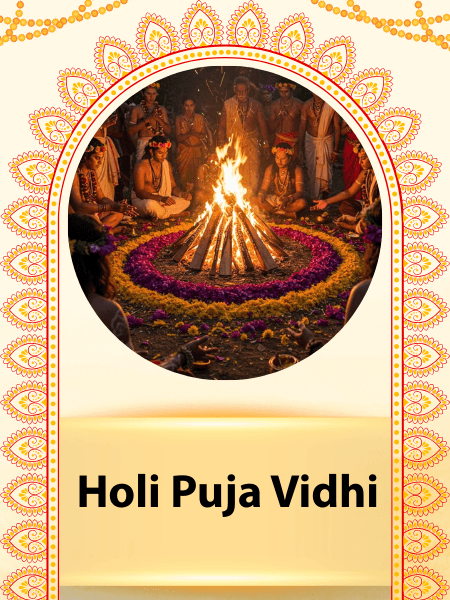
Holi Puja Vidhi Step-by-Step Guide
Perform Holi Puja 2026 correctly with this step-by-step guide. Know Holika Dahan muhurat, पूजा सामग्री, rituals, and the spiritual significance of Holi worship.

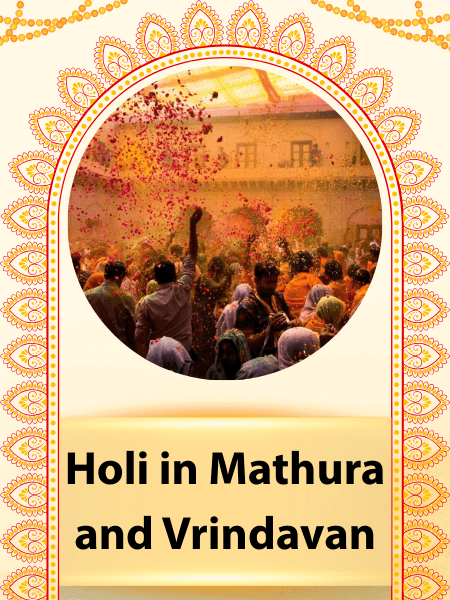
Holi in Mathura and Vrindavan
Experience Holi 2026 in Mathura and Vrindavan. Discover famous celebrations like Lathmar Holi, Phoolon ki Holi, temple rituals, and travel tips for the festival.
Difference Between Holi and Holika Dahan
Confused between Holi and Holika Dahan? Learn the key differences in date, rituals, meaning, and cultural importance of these two major Hindu festivals.