 Download
 Share
ShareMeru Trayodashi 2026
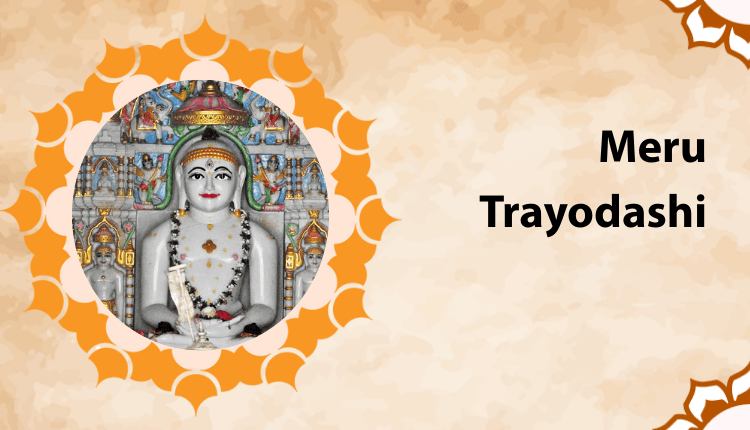
Meru Trayodashi 2026 is a highly auspicious Jain festival dedicated to the first Tirthankara, Lord Rishabhdev (Adinath). Devotees observe this sacred day with fasting, prayers, and rituals to seek spiritual upliftment, peace, and liberation. Learn the date, puja vidhi, fasting rules, significance, and how to properly observe this divine day.
About Meru Trayodashi
Meru Trayodashi is one of the most important spiritual observances in Jainism and is celebrated with great devotion by Shwetambar and Digambar communities. This sacred day marks the anniversary associated with Lord Rishabhdev and is deeply connected to the worship of Mount Meru, believed to be the cosmic center of the universe in Jain cosmology. On this day, devotees perform special pujas, Snatra Puja, Meru Parvat worship, Navkar Mantra chanting, and undertake vrat (fasting) to purify the mind and soul. Many observe Ekasana, Upvas, or even Nirjala Upvas as a symbol of discipline and devotion. Temples are beautifully decorated, and spiritual discourses, bhajans, and rituals are performed throughout the day. Offerings such as fruits, rice, flowers, and holy water are made at the altar symbolizing purity and devotion. The observance of Meru Trayodashi is believed to bring prosperity, good health, and protection from negative energies, while also promoting inner peace, humility, and spiritual awakening. This sacred day inspires devotees to follow the path of truth, nonviolence, and righteousness as taught by Lord Adinath.
Pujas Chosen Just for You
Conduct a Puja in your name and gotra and seek divine blessings for your family.



Meru Trayodashi 2026: Date, Significance, Puja Vidhi, Katha, Benefits & Complete Guide
Meru Trayodashi is one of the most sacred observances in Jainism. It is dedicated to worshipping the divine Meru Parvat (Mount Meru), which is considered the center of spiritual energy, cosmic balance, and the residence of many Tirthankaras and celestial beings. This auspicious day falls on the Trayodashi tithi (13th lunar day) and carries immense spiritual importance for devotees seeking inner peace, removal of karmas, prosperity, and divine protection. This complete guide covers the Meru Trayodashi 2026 date, significance, who should observe it, puja method, katha, benefits, rules, food guidelines, and concluding rituals. Written in simple English for easy understanding.
What is Meru Trayodashi?
Meru Trayodashi is a significant Jain ritual observed to honor Mount Meru, which holds a sacred place in Jain cosmology. Mount Meru is described as: The center of the universe The pillar of creation The seat of balance, purity, and divine vibrations A place where many Tirthankaras meditate and reside spiritually
Worshipping Meru Parvat on this day is believed to help devotees rise above worldly suffering, burn past karmas, and attain spiritual clarity. Meru Trayodashi is observed by offering devotion to: Mount Meru Tirthankaras Yaksha–Yakshinis Divine protectors of dharma It is considered one of the most powerful days for spiritual upliftment.
Meru Trayodashi 2026 Date
Meru Trayodashi in 2026 will be observed on: Date: Thursday, February 26, 2026 Tithi: Trayodashi (13th lunar day) Devotees should check the local Jain panchang for exact tithi timings.
Religious Importance of Meru Trayodashi
Meru Trayodashi holds deep importance in Jainism because:
- Mount Meru is the center of the cosmos It is believed to be the spiritual axis of the universe, radiating positive energy and divine purity.
- Worshipping Meru destroys past karmas This special tithi is considered highly effective for shedding accumulated karmas that cause suffering.
- Brings peace, prosperity, and harmony Meru Puja is known for balancing material life with spiritual growth.
- Strengthens devotion toward Tirthankaras The rituals reconnect devotees to the teachings of non-violence, purity, and mindfulness.
- Enhances concentration and spiritual discipline It is believed that worship on this day elevates one’s consciousness.
Who Should Observe Meru Trayodashi?
While everyone can perform Meru Trayodashi Puja, it is especially recommended for: People seeking peace of mind Those wishing to reduce karmic burdens Devotees facing health issues or mental stress Families experiencing tension, arguments, or instability Students wanting focus and clarity Individuals aiming for spiritual growth Anyone wishing to live a life of balance and prosperity Even those unable to fast can still observe the puja and mantra chanting.
Significance of Meru Parvat in Jainism
Mount Meru is described in Jain scriptures as: The center of all continents and oceans
The foundation of cosmic order
Surrounded by celestial mansions and heavenly beings
A place where many Tirthankaras perform meditation
The ultimate symbol of stability, purity, and enlightenment
Because of this, worshipping Meru on Trayodashi is believed to bring the blessings of countless divine energies.
Meru Trayodashi Puja Vidhi (Step-by-Step Guide)
Here is a simple and complete method for performing Meru Trayodashi puja at home or in temples: Step 1: Preparations Wake up early and take a bath. Clean the house and especially the puja room. Wear clean, simple, preferably white or light-colored clothes. Maintain a peaceful and pure mind.
Step 2: Setting the Meru Arrangement You may prepare: A replica of Mount Meru (made of metal, wood, or clay) A picture or model of Meru Parvat Idol or image of Tirthankaras, especially Lord Rishabhanatha and Lord Shantinatha Lamps (deepak) Flowers Rice, akshata Pure water Incense sticks Fruits and dry fruits Panchamrit (optional)
Step 3: The Sankalp (Vow) Sit quietly and take a vow: To observe the ritual with purity To seek freedom from past karmas To pray for peace, balance, and spiritual growth To follow the teachings of compassion and non-violence
Step 4: Begin the Puja Light a diya and incense. Offer pure water at the base of the Meru model. Offer flowers and akshata. Chant mantras or stutis. Recite or listen to the Meru Trayodashi Katha. Meditate for a few minutes. Recommended chants include: Om Hreem Shree Merave Namah Navkar Mantra Logassa Sutra
Step 5: Abhisheka (Optional) If you have a Meru idol or Tirthankara idol: Perform abhisheka using water, milk, or panchamrit. Wipe gently with a clean cloth.
Step 6: Aarti and Offering Perform a simple aarti with a diya and offer: Fruits Dry fruits Coconut Sweets (satvik, without eggs or processed ingredients)
Step 7: Fast (Vrat) Devotees may keep: Nirjala fast (without water – very strict) Phalahar (only fruits and dry fruits) Ekashana (one satvik meal a day) A partial fast (as per capacity) Jain devotees may also observe upavas or proshadh vrata as per tradition.
Step 8: Evening Puja Perform another round of chanting. Do aarti again. Meditate for a few minutes focusing on forgiveness and peace.
Step 9: Parana (Breaking the Fast) Break the fast the next day after sunrise with: Warm water Fruits Simple satvik food Traditionally, devotees also: Donate food Offer grain to birds Feed cows Help the needy Charity enhances the spiritual merit of the vrat.
Meru Trayodashi Katha (Short Version)
The Meru Trayodashi Katha narrates a story explaining the great benefits of worshipping Mount Meru. The Story Once, a king faced endless troubles—wars, illness, family disputes, and financial loss. Despite trying many rituals, nothing worked. A wise Jain monk visited his kingdom and told him: "O King, your suffering is due to heavy past karmas. Worship Mount Meru on Trayodashi. This puja destroys deep-rooted karmas and brings peace." The king sincerely performed Meru Trayodashi Puja: He maintained purity Meditated deeply Offered prayers with devotion Observed the fast correctly Over time: His kingdom prospered Diseases vanished Peace returned to his palace His mind became calm and clear He achieved spiritual progress
The monk explained that: "The power of Meru Puja lies in its purity. It connects a soul directly with the center of the universe."
Moral of the Story True devotion, purity of mind, and worship of Meru Parvat on Trayodashi destroy karmas and bring peace, prosperity, and spiritual upliftment.
Benefits of Observing Meru Trayodashi
- Reduces Karmic Burdens This vrat is especially known in Jainism for removing past sins and accumulated karmas.
- Brings Mental Peace Devotees experience significant relief from anxiety, anger, and stress.
- Promotes Prosperity Meru Puja is believed to improve finances, stability, and household harmony.
- Enhances Spiritual Growth It strengthens meditation, awareness, and connection with divine energies.
- Improves Family Relations The puja harmonizes relationships and reduces conflicts.
- Better Health As karmic obstacles reduce, health issues gradually ease.
- Protection from Negative Energies Meru Parvat is a symbol of stability and protection from unseen obstacles.
- Strengthens Devotion It makes the devotee calm, balanced, and connected to Tirthankara teachings.
Rules & Guidelines for Meru Trayodashi
Do’s Maintain purity of body and mind Follow ahimsa (non-violence) strictly Read Jain scriptures or listen to pravachans Chant mantras and meditate Offer satvik food during puja Practice forgiveness throughout the day
Don’ts Avoid anger, harsh words, arguments Avoid onion, garlic, or tamasic foods No intoxicants or processed food Do not harm any creature (including insects) Avoid negative company
Allowed Food During the Vrat
Fruits Nuts and dry fruits Coconut Milk, curd, buttermilk Rock salt Simple satvik dishes (if doing ekashana)
Not Allowed Onion, garlic Grains (for strict observers) Non-vegetarian items Fried, spicy, or processed food Tea or coffee (for strict Jain vrat observers)
After-Fasting Rituals
Once the fast is complete: Break it with warm water or fruits
Donate food, clothes, and money
Offer grains to birds and feed cows
Express gratitude to Mount Meru and Tirthankaras
Meditate for a few minutes to close the ritual
These final steps ensure the vrat’s spiritual benefits multiply.
Conclusion
Meru Trayodashi is one of the most spiritually significant observances in Jainism. It connects devotees to the cosmic center—Mount Meru—and helps them reduce karmas, gain peace, and move toward inner purity. By observing the vrat with devotion, meditation, and correct rituals, devotees can experience: Peace of mind
Prosperity
Health
Happiness
Balanced family life
Spiritual progress
Whether you observe it for material wellbeing or to move toward moksha, Meru Trayodashi brings divine blessings and deep inner transformation.

Did you like this article?
Recommended
Read more
Holi Puja Vidhi Step-by-Step Guide
Perform Holi Puja 2026 correctly with this step-by-step guide. Know Holika Dahan muhurat, पूजा सामग्री, rituals, and the spiritual significance of Holi worship.

Holi in Mathura and Vrindavan
Experience Holi 2026 in Mathura and Vrindavan. Discover famous celebrations like Lathmar Holi, Phoolon ki Holi, temple rituals, and travel tips for the festival.
Difference Between Holi and Holika Dahan
Confused between Holi and Holika Dahan? Learn the key differences in date, rituals, meaning, and cultural importance of these two major Hindu festivals.