 Download
 Share
ShareMahashivratri Vrat Katha in English
Mahashivratri is one of the most sacred festivals dedicated to Lord Shiva. On this auspicious night, devotees observe a strict fast, perform night-long worship, and chant holy mantras. The Mahashivratri Vrat Katha (sacred story) explains the spiritual importance of this fast and how sincere devotion to Lord Shiva can remove sins and bring blessings.
About Mahashivratri Vrat Katha
The Mahashivratri Vrat Katha is a traditional Hindu story that highlights the power of devotion to Lord Shiva. It teaches that even unintentional worship performed with a pure heart can please Lord Shiva and bring spiritual liberation and divine blessings.
Pujas Chosen Just for You
Conduct a Puja in your name and gotra and seek divine blessings for your family.
Mahashivratri Vrat Katha in English
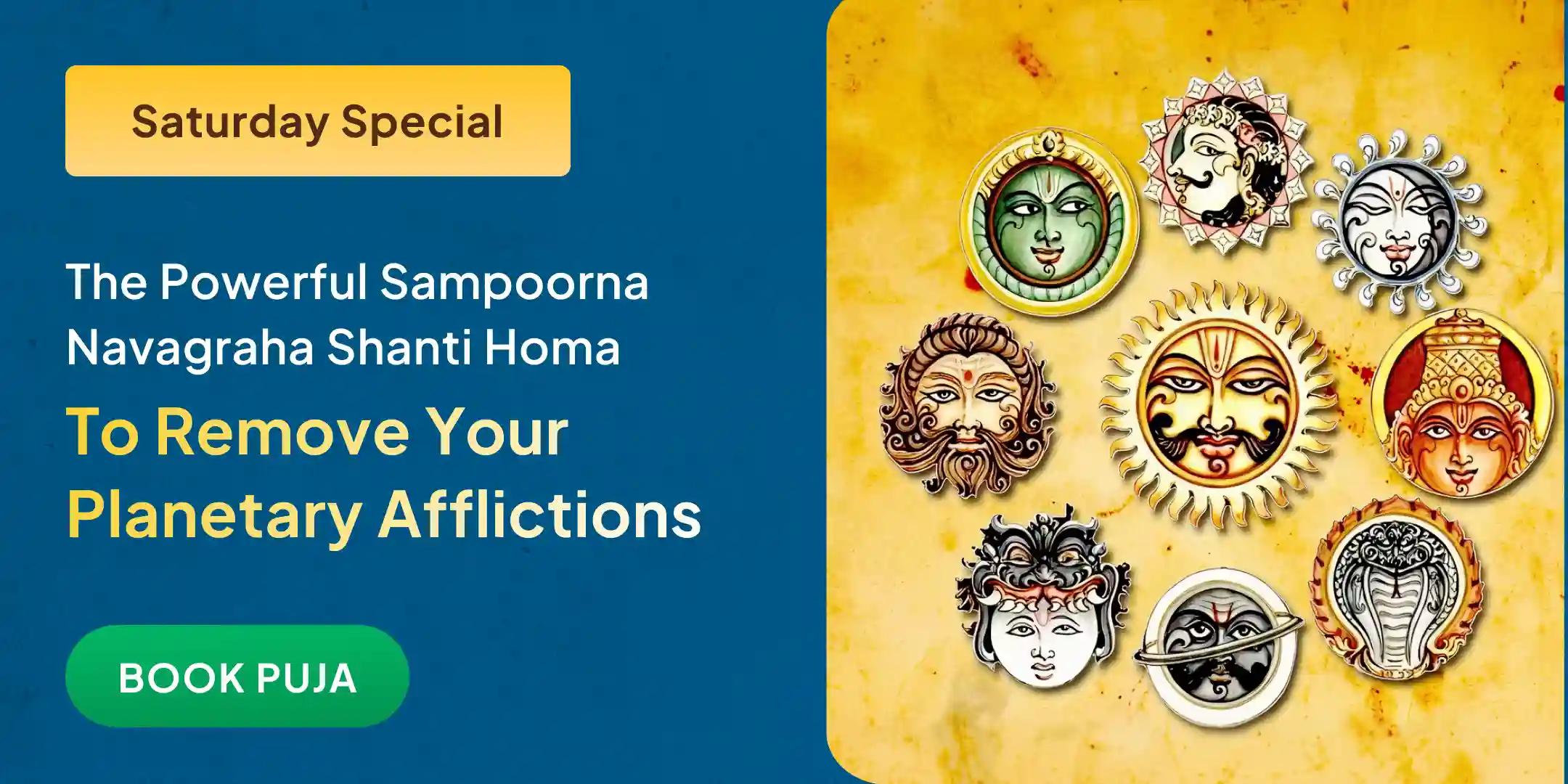
Mahashivratri is one of the most sacred Hindu festivals dedicated to Lord Shiva. On this holy day, devotees observe fast (vrat), worship Lord Shiva, and listen to the Mahashivratri Vrat Katha. The vrat katha is a sacred story that explains the importance of fasting, devotion, and faith in Lord Shiva. Listening to or reading the vrat katha with devotion is believed to bring blessings, remove sins, and fulfill wishes. The story teaches that Lord Shiva is kind and easily pleased by true devotion.
Importance of Mahashivratri Vrat Katha
The vrat katha helps devotees understand:
- The power of devotion
- The value of fasting and discipline
- The kindness of Lord Shiva
- The importance of faith and surrender By listening to this story, devotees feel more connected to Lord Shiva and understand why Mahashivratri is so special.
Mahashivratri Vrat Katha (Simple Story)
Long ago, in a small village, there lived a poor hunter. He had a wife and children, and he worked very hard to feed his family. One day, it was Mahashivratri, but the hunter did not know about this holy day. That morning, the hunter went into the forest to hunt animals for food. Unfortunately, he could not find any animals all day. He became tired, hungry, and worried about his family. As evening came, he climbed a Bilva tree (Bel tree) near a small pond to wait for animals. Under that Bilva tree, there was a Shivling installed, but the hunter did not know this. To stay awake and alert at night, the hunter plucked Bilva leaves from the tree and dropped them on the ground. Some of the leaves fell directly on the Shivling below. Without knowing it, he was offering Bel Patra to Lord Shiva. The hunter was also thirsty. He filled water from the pond and poured it slowly from the tree branch. Some of that water also fell on the Shivling. In this way, without knowing, the hunter was performing Shivling Abhishek.
Unknowingly Observing Fast and Jagran
That day, the hunter had not eaten anything because he could not find food. So, he was unknowingly keeping a fast on Mahashivratri. Also, because he was waiting for animals all night, he stayed awake. This means he was unknowingly doing Jagran (night vigil). So, without knowing, the hunter:
- Offered Bel leaves
- Poured water on Shivling
- Observed fast
- Stayed awake all night All the important rituals of Mahashivratri were completed by him without intention.
Lord Shiva’s Blessings
Lord Shiva was very pleased with the hunter’s actions, even though they were unintentional. Lord Shiva saw the hunter’s suffering, honesty, and hard work. When the hunter died later in life, Yamdoots (messengers of Lord Yama) came to take his soul. But before they could take him, Shiva’s Ganas (messengers of Lord Shiva) arrived. The Shiva Ganas said that the hunter had unknowingly worshipped Lord Shiva on Mahashivratri and had received Lord Shiva’s blessings. Because of this, his sins were washed away. Lord Shiva granted him moksha (liberation), and he was taken to Kailash, the abode of Lord Shiva.
Message of the Vrat Katha
This story teaches many important spiritual lessons:
1. Lord Shiva is Bhole Nath
Lord Shiva is kind and easily pleased. He does not look at wealth or status. He looks at the heart and sincerity.
2. Even Unintentional Devotion Has Power
Even though the hunter did not know about Mahashivratri, his actions became worship. This shows the great power of this sacred day.
3. Importance of Bel Patra and Water
Offering Bel leaves and water is very dear to Lord Shiva. Even simple offerings can bring great blessings.
4. Power of Fasting and Jagran
The hunter unknowingly fasted and stayed awake. This shows that fasting and night vigil have strong spiritual effects.
5. Mahashivratri is Very Powerful
This story shows that Mahashivratri is not an ordinary day. Worship done on this day gives special spiritual results.
Why Devotees Listen to This Katha
Devotees listen to Mahashivratri Vrat Katha to:
- Increase faith in Lord Shiva
- Understand the importance of vrat
- Get inspired to follow spiritual discipline
- Feel hope and positivity
- Receive blessings for family and life The katha reminds devotees that Lord Shiva’s grace is greater than all mistakes.
Simple Way to Do Vrat Katha at Home
You can:
- Light a diya
- Sit in front of Lord Shiva’s photo or Shivling
- Read or listen to the katha
- Pray sincerely
- Share the story with family
Conclusion
The Mahashivratri Vrat Katha is a beautiful story that shows the kindness and mercy of Lord Shiva. It teaches us that true devotion does not need to be perfect. Even small actions done with honesty and simplicity can bring great blessings. Mahashivratri is a day of hope, forgiveness, and spiritual awakening. By listening to this vrat katha, devotees learn that Lord Shiva is always ready to forgive, bless, and guide those who remember him with a pure heart. May Lord Shiva bless everyone with peace, happiness, and spiritual growth. Om Namah Shivaya!

Did you like this article?
Recommended
Read more
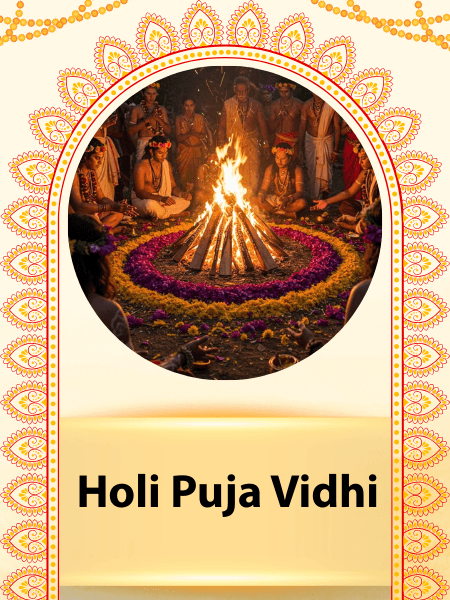
Holi Puja Vidhi Step-by-Step Guide
Perform Holi Puja 2026 correctly with this step-by-step guide. Know Holika Dahan muhurat, पूजा सामग्री, rituals, and the spiritual significance of Holi worship.

Holi in Mathura and Vrindavan
Experience Holi 2026 in Mathura and Vrindavan. Discover famous celebrations like Lathmar Holi, Phoolon ki Holi, temple rituals, and travel tips for the festival.
Difference Between Holi and Holika Dahan
Confused between Holi and Holika Dahan? Learn the key differences in date, rituals, meaning, and cultural importance of these two major Hindu festivals.