 Download
 Share
ShareMahashivratri and the Marriage of Lord Shiva and Goddess Parvati
Discover the sacred connection between Mahashivratri and the divine marriage of Lord Shiva and Goddess Parvati. Learn the beautiful mythological story, its spiritual meaning, and why millions of devotees celebrate this holy night with fasting, prayers, and devotion.
About Mahashivratri and Shiva–Parvati Marriage
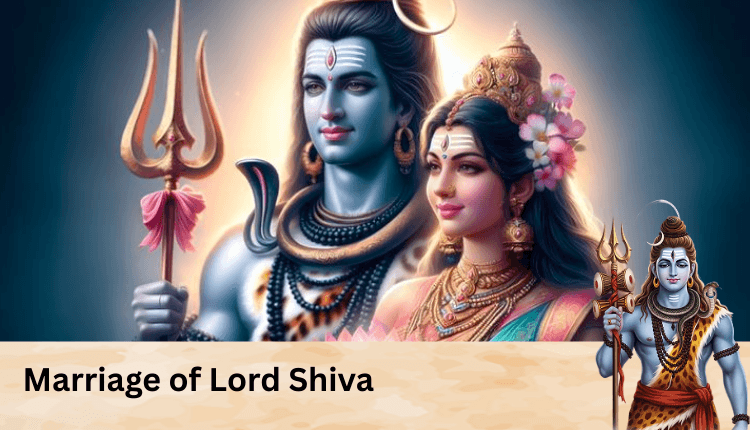
Mahashivratri is a sacred Hindu festival dedicated to Lord Shiva and is widely believed to mark the divine wedding of Shiva and Goddess Parvati. According to Hindu mythology, this holy union symbolizes the merging of consciousness (Shiva) and energy (Shakti). Devotees observe fasting, perform night-long worship, and chant mantras to seek blessings for marital happiness, spiritual growth, and inner harmony. Millions of devotees across India and worldwide celebrate this auspicious occasion with deep faith and devotion.
Pujas Chosen Just for You
Conduct a Puja in your name and gotra and seek divine blessings for your family.
Mahashivratri and the Marriage of Lord Shiva and Goddess Parvati
Mahashivratri is one of the most sacred Hindu festivals dedicated to Lord Shiva. It is known as “The Great Night of Shiva.” One of the most popular and meaningful stories connected with Mahashivratri is the divine marriage of Lord Shiva and Goddess Parvati. This beautiful story is not just a tale of two gods getting married. It carries deep spiritual, moral, and symbolic meaning. It teaches lessons about love, devotion, patience, and the balance between spiritual and worldly life.
Who is Goddess Parvati?
Goddess Parvati is the divine consort of Lord Shiva. She is known as the goddess of love, devotion, strength, and motherhood. Parvati is also considered the reincarnation of Goddess Sati, Lord Shiva’s first wife. After Sati sacrificed herself in her father Daksha’s yajna, Lord Shiva was filled with deep sorrow. He left worldly life and went into intense meditation in the Himalayas. He became detached from everything and focused only on spiritual practices.
Why Parvati Wanted to Marry Lord Shiva
According to Hindu mythology, Parvati was born with the strong desire to reunite with Lord Shiva and bring him back into family life. She believed that Shiva was her true divine partner. However, Lord Shiva was lost in meditation and had no interest in marriage or worldly attachments. Parvati understood that to win Shiva’s heart, she would need deep devotion and patience.
Parvati’s Penance and Devotion
Goddess Parvati performed a very strict tapasya (penance) to please Lord Shiva. She lived a simple life, gave up comforts, and spent years in prayer and meditation. She faced:
- Harsh weather
- Hunger and thirst
- Loneliness
- Difficult physical conditions But she never gave up. Her devotion, purity, and determination slowly touched Lord Shiva’s heart. The gods also supported her efforts because they knew that Shiva and Parvati’s union was necessary for balance in the universe.
The Role of Kamadeva (God of Love)
In one part of the story, the gods asked Kamadeva, the god of love, to awaken love in Lord Shiva’s heart. Kamadeva shot his love arrow at Shiva while he was in deep meditation. This made Lord Shiva angry. He opened his third eye and burned Kamadeva to ashes. This showed Shiva’s power and his deep control over desires. However, this event also made Shiva aware of Parvati’s sincere devotion. He realized that her love was pure and spiritual, not selfish.
Shiva Accepts Parvati
After testing Parvati’s devotion in many ways, Lord Shiva finally accepted her as his divine partner. He understood that her love was based on faith, patience, and spiritual connection. Their marriage was fixed, and on the auspicious night of Mahashivratri, Lord Shiva and Goddess Parvati were married. This divine wedding was celebrated by all the gods, sages, and celestial beings. The universe rejoiced because this union brought balance between spiritual power and divine energy.
Why Their Marriage is Connected to Mahashivratri
Mahashivratri is believed to be the night when Shiva and Parvati were married. That is why this festival is also seen as a celebration of:
- Divine love
- Sacred union
- Balance between male and female energies
- Harmony between meditation and family life Devotees believe that worshipping Lord Shiva and Goddess Parvati on Mahashivratri brings happiness, peace, and success in married life.
Symbolic Meaning of Shiva-Parvati Marriage
The marriage of Shiva and Parvati has deep symbolic meaning: Balance of Energies Shiva represents pure consciousness and meditation. Parvati represents energy, action, and nature. Their union shows the balance between: Stillness and movement Spirituality and worldly life Mind and energy Power of Devotion Parvati’s long penance teaches that true devotion, patience, and faith can achieve even the most difficult goals. Importance of Family and Spiritual Life Shiva as a yogi shows spiritual life. Parvati brings him into family life. Their marriage teaches that one can live a balanced life with both spirituality and responsibilities.
Importance for Devotees
Because of this story, Mahashivratri is considered very special for: Married couples seeking happiness and harmony Unmarried girls praying for a good life partner Families praying for peace and unity Devotees seeking balance in life Many women observe fast on Mahashivratri to pray for the long life and well-being of their husbands or to get a good husband.
Cultural Celebrations
In many parts of India, Mahashivratri is celebrated like a wedding festival. Some temples even perform symbolic marriage ceremonies of Shiva and Parvati. Devotees sing devotional songs, decorate temples, and celebrate the divine wedding with joy and devotion.
Conclusion
The story of Mahashivratri and the marriage of Lord Shiva and Goddess Parvati is a beautiful tale of love, devotion, and spiritual unity. It teaches that true love is based on patience, faith, and purity of heart.Their divine union is not just a mythological event. It is a spiritual message that reminds people to balance spiritual growth with worldly responsibilities.That is why Mahashivratri is not only a night of worship but also a celebration of divine love, harmony, and sacred partnership. Through this sacred story, devotees learn the values of devotion, balance, and true commitment.

Did you like this article?
Recommended
Read more
Holi Puja Vidhi Step-by-Step Guide
Perform Holi Puja 2026 correctly with this step-by-step guide. Know Holika Dahan muhurat, पूजा सामग्री, rituals, and the spiritual significance of Holi worship.

Holi in Mathura and Vrindavan
Experience Holi 2026 in Mathura and Vrindavan. Discover famous celebrations like Lathmar Holi, Phoolon ki Holi, temple rituals, and travel tips for the festival.
Difference Between Holi and Holika Dahan
Confused between Holi and Holika Dahan? Learn the key differences in date, rituals, meaning, and cultural importance of these two major Hindu festivals.