 Download
 Share
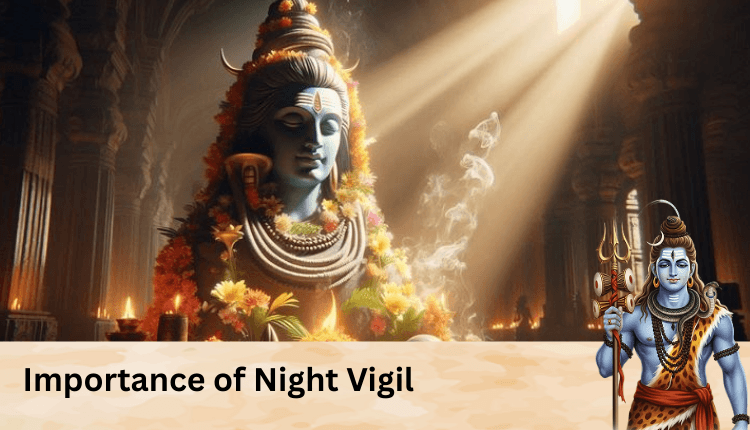
ShareImportance of Night Vigil (Jagran) on Mahashivratri
Discover the importance of night vigil (Jagran) on Mahashivratri and why devotees stay awake throughout this sacred night dedicated to Lord Shiva. Learn the spiritual meaning, traditional beliefs, and health benefits associated with this powerful practice.
About Night Vigil on Mahashivratri
The night vigil or Jagran on Mahashivratri is one of the most important observances of this sacred Hindu festival. Devotees remain awake all night, chant mantras, perform Shiva puja, and meditate to seek divine blessings. This auspicious practice symbolizes spiritual awareness, victory over darkness, and deep devotion to Lord Shiva. Millions of devotees across India and worldwide observe Jagran as a path toward inner purification and higher consciousness.
Pujas Chosen Just for You
Conduct a Puja in your name and gotra and seek divine blessings for your family.

Importance of Night Vigil (Jagran) on Mahashivratri
Mahashivratri is one of the most sacred Hindu festivals dedicated to Lord Shiva. It is known as “The Great Night of Shiva.” One of the most important traditions of Mahashivratri is Night Vigil, also called Jagran. On this night, devotees stay awake throughout the night to worship, pray, chant, and meditate. Staying awake on Mahashivratri is not just a ritual. It has deep spiritual, mental, and symbolic importance. Jagran represents awareness, devotion, and the victory of light over darkness. This article explains the importance of Night Vigil on Mahashivratri in simple English.
What is Night Vigil (Jagran)?
Night Vigil, or Jagran, means staying awake during the night for spiritual purposes. On Mahashivratri, devotees avoid sleeping and spend the night in:
- Shiva Puja
- Chanting mantras
- Singing bhajans and kirtans
- Meditation and prayer
- Listening to spiritual stories Jagran is mainly observed from sunset to sunrise, especially during the four Prahars (four parts of the night). taying awake on Mahashivratri is not just a ritual. It has deep spiritual, mental, and symbolic importance. Jagran represents awareness, devotion, and the victory of light over darkness. This article explains the importance of Night Vigil on Mahashivratri in simple English.
What is Night Vigil (Jagran)?
Spiritual Meaning of Staying Awake
Spiritually, night represents darkness, ignorance, and unconsciousness, while staying awake represents awareness, knowledge, and inner light. By staying awake on Mahashivratri, devotees symbolically show that they want to:
- Wake up from ignorance
- Overcome negative thoughts
- Become more aware and mindful
- Move closer to spiritual truth Jagran reminds people to be spiritually alert in life, not just physically awake.
Connection with Lord Shiva
Lord Shiva is known as the Lord of Meditation and the Supreme Yogi. He is often shown sitting in deep meditation, fully awake and aware. By staying awake on Mahashivratri, devotees try to follow Lord Shiva’s path of:
- Awareness
- Self-control
- Inner silence
- Focus on higher truth Jagran is a way to show respect and devotion to Lord Shiva’s yogic nature.
Role in Self-Discipline
Jagran helps in building self-discipline and control over the body and mind. Staying awake all night is not easy. It requires determination and willpower. Through Jagran, devotees practice:
- Control over sleep
- Control over comfort
- Control over laziness
- Strengthening of inner will This self-discipline is considered very helpful for spiritual growth and personal development.
Importance for Meditation and Prayer
Mahashivratri night is believed to be very powerful for meditation and prayer. The silence and stillness of night create a peaceful environment. At night:
- There are fewer distractions
- The mind becomes calmer
- The atmosphere is more silent
- Focus becomes easier This makes night time ideal for deep meditation, chanting, and self-reflection. Jagran allows devotees to use this quiet time for spiritual connection.
Symbol of Victory Over Darkness
Darkness is often used as a symbol for:
- Ignorance
- Fear
- Negative thoughts Confusion Staying awake during the darkest hours of the night represents victory of awareness over darkness. It is a reminder that even in difficult times, one should stay strong, alert, and positive.
Importance in Four Prahar Puja
On Mahashivratri, the night is divided into four Prahars, and special Shiva Puja is performed in each Prahar. Jagran allows devotees to:
- Participate in all four Prahar Pujas
- Perform multiple Abhishekams
- Chant mantras throughout the night
- Stay connected with devotion Each Prahar has its own spiritual importance, and staying awake helps devotees receive full blessings of the night.
Mental and Emotional Benefits
From a mental point of view, Jagran combined with calm activities like chanting and meditation can:
- Reduce stress
- Improve emotional balance
- Increase mental clarity
- Create a sense of peace Being awake with a spiritual purpose changes the experience of night from tiredness to awareness and inner calm.
Community and Devotional Bonding
Jagran is often done in temples and community halls. People come together to sing bhajans, listen to spiritual talks, and pray. This creates:
- A sense of unity
- Emotional support
- Shared devotion
- Positive spiritual environment Such community activities strengthen faith and bring people closer to each other.
Symbolic Message for Daily Life
The message of Jagran is not limited to one night. It teaches an important lesson for daily life:
- Stay alert in your actions
- Be aware of your thoughts
- Do not live life unconsciously
- Remain spiritually awake Just as devotees stay awake on Mahashivratri, they are reminded to stay awake in life — aware of right and wrong, truth and falsehood.
Balance Between Body and Spirit
While Jagran is mainly spiritual, it also teaches balance. Devotees are encouraged to:
- Sit properly
- Drink water
- Do gentle chanting
- Avoid extreme strain This shows that spiritual practices should be done with care and awareness of the body.
Conclusion
Night Vigil (Jagran) on Mahashivratri is a powerful spiritual practice. It represents awareness, devotion, self-discipline, and victory over ignorance. By staying awake, devotees show their desire to rise above darkness and connect with higher spiritual truth. Jagran is not just about losing sleep. It is about gaining awareness. It teaches people to be alert, mindful, and spiritually awake in all areas of life. Through Jagran, Mahashivratri becomes not just a festival, but a deep spiritual experience, a night of inner awakening, devotion, and transformation.

Did you like this article?
Recommended
Read more
Holi Puja Vidhi Step-by-Step Guide
Perform Holi Puja 2026 correctly with this step-by-step guide. Know Holika Dahan muhurat, पूजा सामग्री, rituals, and the spiritual significance of Holi worship.

Holi in Mathura and Vrindavan
Experience Holi 2026 in Mathura and Vrindavan. Discover famous celebrations like Lathmar Holi, Phoolon ki Holi, temple rituals, and travel tips for the festival.
Difference Between Holi and Holika Dahan
Confused between Holi and Holika Dahan? Learn the key differences in date, rituals, meaning, and cultural importance of these two major Hindu festivals.