 Download
 Share
ShareHow Mahashivratri is Celebrated Across India
Discover how Mahashivratri is celebrated across India with deep devotion and vibrant traditions. Learn about regional customs, Lord Shiva temple rituals, fasting practices, night-long jagaran, and the spiritual importance of this sacred festival.
About Mahashivratri Celebrations in India
Mahashivratri is one of the most sacred Hindu festivals dedicated to Lord Shiva and is celebrated with great devotion across India. From grand temple ceremonies and night-long vigils to strict fasting and mantra chanting, each region observes this holy night in its own unique way. The festival symbolizes spiritual awakening, inner purification, and the divine union of Shiva and Shakti, drawing millions of devotees nationwide to perform Shiv puja and seek blessings.
Pujas Chosen Just for You
Conduct a Puja in your name and gotra and seek divine blessings for your family.
How Mahashivratri is Celebrated Across India
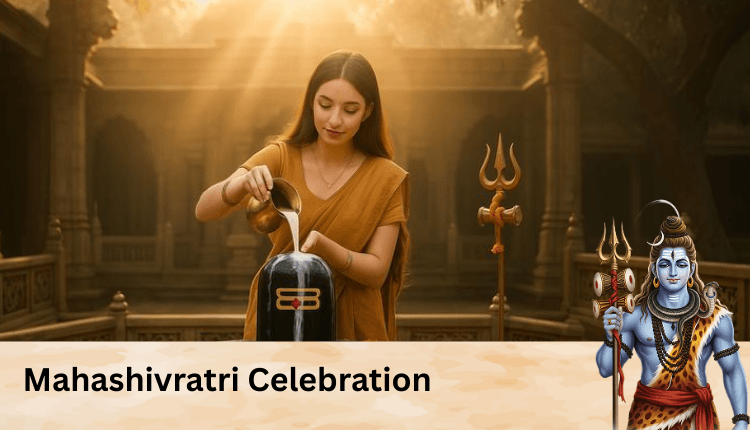
Mahashivratri is one of the most important Hindu festivals dedicated to Lord Shiva. It is known as “The Great Night of Lord Shiva.” On this holy night, millions of devotees across India worship Lord Shiva with deep faith, fasting, prayers, and night-long celebrations. Although the main purpose of Mahashivratri is the same everywhere to worship Lord Shiva the way it is celebrated can be different in different parts of India. Each region has its own traditions, temples, and cultural practices. This makes Mahashivratri a beautiful and diverse festival across the country.
Common Traditions Across India
Before looking at regional celebrations, it is important to understand the common practices followed all over India:
- Fasting throughout the day
- Offering milk, water, honey, and bilva leaves to Shiva Lingam
- Chanting Om Namah Shivaya
- Visiting Shiva temples
- Staying awake all night (Jagran)
- Listening to bhajans and kirtans These practices unite devotees across India in devotion to Lord Shiva.
Mahashivratri in North India
In North India, Mahashivratri is celebrated with great enthusiasm, especially in states like Uttar Pradesh, Uttarakhand, Himachal Pradesh, Punjab, Haryana, and Delhi. Uttar Pradesh Cities like Varanasi (Kashi) and Prayagraj see huge crowds. At the famous Kashi Vishwanath Temple, thousands of devotees stand in long lines to offer prayers to Lord Shiva. Special night-long aartis and bhajans are organized. Uttarakhand Uttarakhand is considered the land of Lord Shiva because of holy places like Kedarnath, Haridwar, and Rishikesh. Devotees take holy baths in the Ganga River and then visit Shiva temples. Many spiritual programs and meditation sessions are also held.
Mahashivratri in West India
In West India, Mahashivratri is celebrated with both religious and cultural activities. Maharashtra In Maharashtra, devotees visit famous temples like Trimbakeshwar near Nashik. People observe fasts and perform Rudrabhishek at home and in temples. Bhajan programs and night-long prayers are common. Gujarat In Gujarat, Mahashivratri is celebrated with great devotion, especially at the Somnath Temple, one of the 12 Jyotirlingas. Large fairs, cultural programs, and religious gatherings are organized near the temple.
Mahashivratri in Central India
Central Indian states like Madhya Pradesh and Chhattisgarh also celebrate Mahashivratri with strong devotion. Madhya Pradesh The famous Mahakaleshwar Temple in Ujjain is one of the most important Shiva temples in India. On Mahashivratri, special Bhasma Aarti and Abhishekam are performed. Thousands of devotees visit the temple for darshan.
Mahashivratri in East India
In East India, Mahashivratri is celebrated with a mix of traditional rituals and local customs. West Bengal In West Bengal, many devotees observe fasts and visit Shiva temples. Unmarried girls pray to get a good husband. People also worship Lord Shiva as a family deity in many homes. Odisha In Odisha, Mahashivratri is celebrated in temples like Lingaraj Temple in Bhubaneswar. Night-long worship and special offerings are made to Lord Shiva.
Mahashivratri in South India
South India has a rich tradition of Shiva worship, and Mahashivratri is celebrated in a grand way. Tamil Nadu In Tamil Nadu, Mahashivratri is observed with special importance at temples like Annamalaiyar Temple (Tiruvannamalai). Devotees walk barefoot around the holy hill in a ritual called Girivalam. Night-long temple prayers are common. Karnataka In Karnataka, the famous Murudeshwar Temple and other Shiva temples attract large numbers of devotees. People perform Abhishekam and chant Shiva mantras. Andhra Pradesh and Telangana Devotees visit famous temples like Srisailam Mallikarjuna Temple, another Jyotirlinga. Large crowds gather for darshan, and special pujas are organized.
Mahashivratri in the Himalayas and Tribal Areas
In Himalayan regions and tribal areas, Mahashivratri is celebrated with a mix of religious and folk traditions. Small village temples organize community prayers, folk songs, and group fasting. In some tribal regions, people also perform traditional dances and local rituals to honor Lord Shiva.
Role of Jyotirlinga Temples
The 12 Jyotirlingas of Lord Shiva play a very important role in Mahashivratri celebrations. Some of the most famous Jyotirlingas include:
- Somnath (Gujarat)
- Mallikarjuna (Andhra Pradesh)
- Mahakaleshwar (Madhya Pradesh)
- Kashi Vishwanath (Uttar Pradesh)
- Kedarnath (Uttarakhand)
- Trimbakeshwar (Maharashtra) These temples receive lakhs of devotees on Mahashivratri.
Cultural and Social Celebrations
Apart from temple rituals, Mahashivratri is also celebrated through:
- Spiritual discourses
- Yoga and meditation camps
- Religious processions
- Community bhajans
- Cultural programs These activities help spread the spiritual message of Lord Shiva to people of all ages.
Conclusion
Mahashivratri is celebrated across India with deep devotion, faith, and cultural richness. While the basic rituals remain the same, each region adds its own traditions and local flavor to the festival. From the holy ghats of Varanasi to the hills of Tiruvannamalai, from Somnath in Gujarat to Srisailam in Andhra Pradesh, Mahashivratri unites the entire nation in the worship of Lord Shiva. This diversity in celebration shows the spiritual unity of India and the deep love and respect people have for Lord Shiva. Mahashivratri truly becomes a national festival of faith, devotion, and spiritual awakening.

Did you like this article?
Recommended
Read more
Holi Puja Vidhi Step-by-Step Guide
Perform Holi Puja 2026 correctly with this step-by-step guide. Know Holika Dahan muhurat, पूजा सामग्री, rituals, and the spiritual significance of Holi worship.

Holi in Mathura and Vrindavan
Experience Holi 2026 in Mathura and Vrindavan. Discover famous celebrations like Lathmar Holi, Phoolon ki Holi, temple rituals, and travel tips for the festival.
Difference Between Holi and Holika Dahan
Confused between Holi and Holika Dahan? Learn the key differences in date, rituals, meaning, and cultural importance of these two major Hindu festivals.