 Download
 Share
ShareHoli 2026
Waiting for the colorful festival of Holi 2026? Get ready to immerse yourself in joy, colors, and festive spirit as we bring you the confirmed date, Holika Dahan muhurat, rituals, and cultural significance of Holi. Known as the festival of colors, Holi marks the arrival of spring and the victory of good over evil. People celebrate by playing with gulal, enjoying festive sweets, and strengthening bonds with family and friends. This complete guide will help you understand the traditions, meaning, and regional celebrations associated with Holi across India.
About Holi
Holi is one of the most vibrant and widely celebrated festivals in India, symbolizing joy, renewal, and the triumph of good over evil. It is observed on the full moon day (Purnima) of the Hindu month of Phalguna. The festival begins with Holika Dahan, where people light bonfires to signify the burning of negativity and evil forces. The next day, known as Rangwali Holi or Dhulandi, is celebrated with colors, water balloons, music, and festive delicacies like gujiya, malpua, and thandai. Families, friends, and communities come together to smear gulal and share happiness. Holi holds deep mythological significance linked to the story of Prahlad and Holika, representing faith and the victory of righteousness. Beyond religion, the festival promotes unity, forgiveness, and the joy of new beginnings as winter ends and spring blossoms. In different parts of India, Holi takes unique cultural forms—such as Lathmar Holi in Barsana and Phoolon ki Holi in Vrindavan—making it not just a festival of colors but a grand celebration of tradition, love, and togetherness.
Pujas Chosen Just for You
Conduct a Puja in your name and gotra and seek divine blessings for your family.
When is Holi 2026? Date, Muhurat and Significance
Holi is one of the most joyful and colorful festivals celebrated in India and many parts of the world. Known as the “Festival of Colors,” Holi brings people together in a spirit of happiness, love, and unity. It marks the arrival of spring and the victory of good over evil. Every year, people eagerly wait for this vibrant festival to celebrate with family and friends.
Holi 2026 Date and Timing
In 2026, Holi will be celebrated on: Holi (Rangwali Holi): Wednesday, March 4, 2026 Holika Dahan: Tuesday, March 2, 2026
Purnima Tithi Timing
Holi is celebrated on the full moon day (Purnima) of the Hindu month of Phalguna. The timing of the Purnima Tithi in 2026 is: Purnima Tithi Begins: 05:55 PM on March 2, 2026 Purnima Tithi Ends: 05:07 PM on March 3, 2026 Holika Dahan is performed during the Purnima Tithi, and Rangwali Holi (the festival of colors) is celebrated the next day.
What is Holika Dahan?
Holika Dahan is celebrated one day before the main Holi festival. It involves lighting a bonfire in the evening. This ritual symbolizes the burning away of evil and negativity. People gather wood and other materials to build a bonfire. In the evening, after performing puja (prayers), the bonfire is lit. Devotees walk around the fire and pray for happiness, prosperity, and protection from evil forces. Holika Dahan is based on an important mythological story from Hindu scriptures.
The Story Behind Holi
The story of Holi is connected with King Hiranyakashipu and his son Prahlad. According to Hindu mythology, Hiranyakashipu was a powerful demon king who wanted everyone to worship him as God. However, his son Prahlad was a devotee of Lord Vishnu and refused to worship his father. Angered by this, Hiranyakashipu tried many ways to kill Prahlad, but he failed every time. Finally, he asked his sister Holika, who had a special power that made her immune to fire, to sit in a fire with Prahlad on her lap. Holika believed she would not burn, but because Prahlad had true devotion and faith, he was protected by divine power. Holika burned in the fire, while Prahlad remained safe. This event symbolizes the victory of good over evil, and Holika Dahan marks this important moment.
Why is Holi Celebrated?
Holi is celebrated for several important reasons:
1. Victory of Good Over Evil
The burning of Holika represents the destruction of evil forces. It reminds people that truth and devotion always win in the end.
2. Arrival of Spring
Holi marks the end of winter and the beginning of spring. The weather becomes pleasant, flowers bloom, and the atmosphere feels fresh and joyful.
3. Celebration of Love and Unity
Holi is a festival where people forget old misunderstandings and come together. Friends and family apply colors to each other and share sweets. It strengthens relationships and spreads happiness.
4. Connection with Lord Krishna
In many parts of India, especially in Mathura and Vrindavan, Holi is associated with Lord Krishna. It is believed that Lord Krishna played Holi with colors with Radha and the gopis. This tradition continues today with great enthusiasm.
How is Holi Celebrated?
Holi celebrations are full of excitement and fun. Here’s how people usually celebrate:
1. Playing with Colors
On Rangwali Holi (March 4, 2026), people apply gulal (colored powder) on each other. They also use water guns (pichkaris) and water balloons filled with colored water.
2. Singing and Dancing
Music is an important part of Holi. People dance to festive songs and enjoy the lively atmosphere.
3. Special Food
Traditional sweets like gujiya, malpua, and laddoos are prepared. Thandai, a special festive drink, is also served.
4. Visiting Friends and Family
People visit each other’s homes, apply colors, exchange greetings, and enjoy festive meals together.
Importance of Muhurat in Holi
In Hindu culture, muhurat means an auspicious time to perform rituals. Holika Dahan should be done during the correct muhurat, usually after sunset and during the Purnima Tithi. For Holi 2026:
- Holika Dahan will be observed on Tuesday, March 3, 2026
- Purnima Tithi ends at 05:07 PM on March 3, 2026 It is important that Holika Dahan is performed when Purnima Tithi is prevailing. Devotees consult the local Panchang (Hindu calendar) to confirm the exact evening muhurat based on their location.
Spiritual Significance of Holi
Holi is not just about colors and fun; it has deep spiritual meaning.
1. Removing Negativity
The bonfire of Holika Dahan symbolizes burning negative thoughts, anger, jealousy, and ego.
2. Inner Cleansing
Playing with colors represents joy and the removal of differences among people.
3. Faith and Devotion
The story of Prahlad teaches the importance of faith and trust in God.
Environmental Awareness During Holi
In recent years, people are becoming more aware of environmental safety during Holi.
- Use natural and herbal colors.
- Avoid wasting water.
- Protect animals from colors.
- Celebrate safely and responsibly. Eco-friendly Holi ensures that the festival remains joyful without harming nature.
Holi 2026: Quick Summary
- Holi (Rangwali Holi): Wednesday, March 4, 2026
- Holika Dahan: Tuesday, March 2, 2026
- Purnima Tithi Begins: 05:55 PM on March 2, 2026
- Purnima Tithi Ends: 05:07 PM on March 3, 2026
Conclusion
Holi 2026 will be celebrated on Wednesday, March 4, with Holika Dahan on Tuesday, March 3. It is a festival filled with joy, devotion, and cultural importance. From the story of Prahlad and Holika to the colorful celebrations inspired by Lord Krishna, Holi carries deep meaning. This beautiful festival reminds us that goodness always wins over evil, love conquers hatred, and unity is stronger than division. As you prepare to celebrate Holi 2026, spread happiness, use safe colors, and enjoy the spirit of togetherness. May this Holi bring bright colors, peace, and prosperity into your life!

Did you like this article?
Recommended
Read more
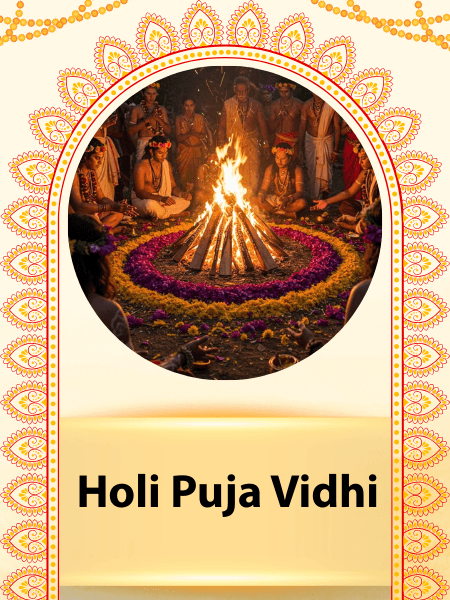
Holi Puja Vidhi Step-by-Step Guide
Perform Holi Puja 2026 correctly with this step-by-step guide. Know Holika Dahan muhurat, पूजा सामग्री, rituals, and the spiritual significance of Holi worship.

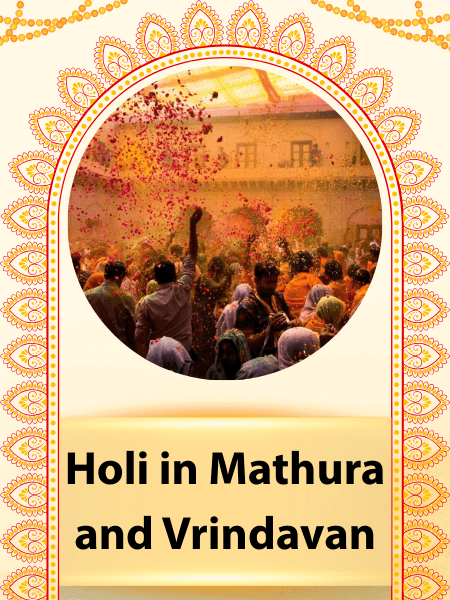
Holi in Mathura and Vrindavan
Experience Holi 2026 in Mathura and Vrindavan. Discover famous celebrations like Lathmar Holi, Phoolon ki Holi, temple rituals, and travel tips for the festival.
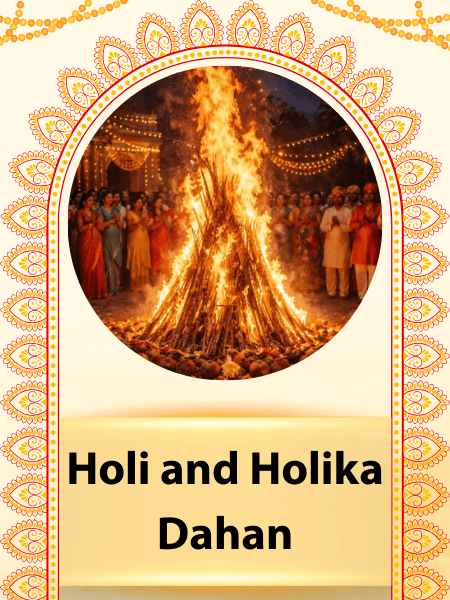
Difference Between Holi and Holika Dahan
Confused between Holi and Holika Dahan? Learn the key differences in date, rituals, meaning, and cultural importance of these two major Hindu festivals.