 Download
 Share
ShareGupt Navratri Magh Month
Gupt Navratri, observed twice a year, is a unique and spiritually potent period dedicated to Goddess Shakti. One of its most important observances falls during the Magh month (January–February). Unlike the more popular Chaitra and Sharad Navratri, Gupt Navratri in Magh is not celebrated publicly. Instead, it emphasizes silent worship, focused meditation, and secret sadhana. Spiritual seekers, sadhaks, and devoted worshippers consider this period ideal for mantra jaap, inner purification, and attaining divine blessings. In this article, you will explore why Gupt Navratri is celebrated in the Magh month, its significance, puja vidhi, and hidden spiritual benefits.
About Gupt Navratri in Magh Month
Gupt Navratri derives its name from the word “Gupt,” meaning hidden or secret. Its observance in the Magh month is linked to specific cosmic and spiritual reasons. The Magh month marks a time when planetary alignments and lunar phases create a highly favorable atmosphere for spiritual sadhana, mantra chanting, and meditation. Unlike Chaitra and Sharad Navratri, which are celebrated with public rituals, fairs, and festive gatherings, Gupt Navratri focuses on silent worship and inner spiritual growth. Devotees often observe strict vrat rules, meditate on the ten Mahavidyas, or perform secret puja in a quiet environment. This period is especially significant for those practicing tantric sadhana or seeking mental clarity, inner protection, and spiritual upliftment. By observing Gupt Navratri in Magh, devotees can remove fear, negative energy, and mental obstacles, while cultivating strength, wisdom, and divine guidance.
Pujas Chosen Just for You
Conduct a Puja in your name and gotra and seek divine blessings for your family.

Why Is Gupt Navratri Celebrated in Magh Month?
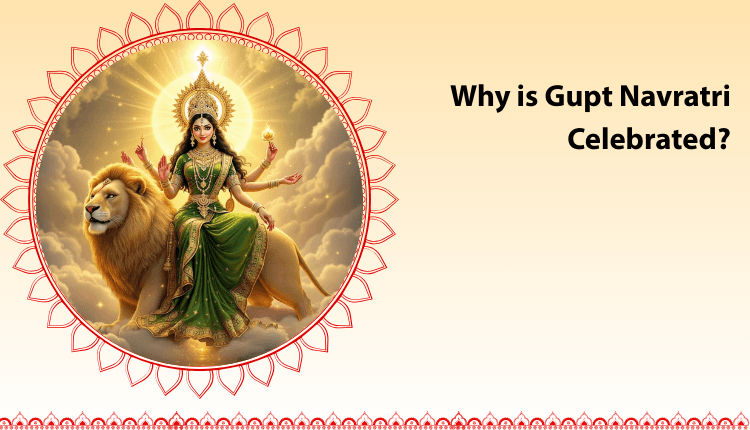
Gupt Navratri is a very important but lesser-known Hindu festival. Unlike the famous Chaitra Navratri and Sharad Navratri, Gupt Navratri is celebrated quietly, without public celebrations, big pandals, or large gatherings. The word “Gupt” means hidden or secret. This Navratri is mainly observed by spiritual seekers, sages, tantriks, yogis, and serious devotees of Goddess Shakti. Gupt Navratri occurs twice a year, once in the Magh month (January–February) and once in the Ashadha month (June–July). Among these two, Magh Gupt Navratri holds special spiritual and tantric importance. Many people wonder why Gupt Navratri is celebrated in the Magh month and what makes this time so powerful. This article explains the meaning, reasons, spiritual importance, and traditions of Gupt Navratri in the Magh month in simple English.
What Is Gupt Navratri?
Gupt Navratri is a nine-day festival dedicated to the nine forms of Goddess Durga, especially her Mahavidya forms like Kali, Tara, Tripura Sundari, Bhuvaneshwari, Bhairavi, Chhinnamasta, Dhumavati, Bagalamukhi, and Matangi. Unlike regular Navratri, Gupt Navratri is:
- Observed privately
- Focused on deep spiritual practices
- Related to tantra, mantra, and meditation
- Meant for inner transformation rather than outer celebration
- Devotees worship the Goddess in silence, secrecy, and discipline.
When Is Magh Gupt Navratri Celebrated?
Magh Gupt Navratri is observed during the Shukla Paksha (waxing moon) of the Magh month according to the Hindu lunar calendar. The Magh month usually falls between January and February. The festival starts on Pratipada Tithi and ends on Navami Tithi, lasting for nine days.
Why Is Gupt Navratri Celebrated in the Magh Month
There are several spiritual, religious, and natural reasons why Gupt Navratri is celebrated during the Magh month. These reasons are deeply rooted in Hindu scriptures, yogic science, and seasonal changes.
1. Magh Month Is Considered Spiritually Powerful
The Magh month is considered one of the most sacred months in Hinduism. Many holy rituals, fasts, and spiritual practices are performed during this time. Magh month is ideal for self-discipline and purification It is believed that spiritual efforts give faster results Ancient sages chose this month for meditation and penance Because Gupt Navratri focuses on intense spiritual practices, the Magh month is considered the perfect time for it.
2. Connection with Goddess Shakti and Mahavidyas
Magh Gupt Navratri is especially dedicated to the Mahavidya forms of Goddess Shakti, which represent higher wisdom, hidden powers, and spiritual awakening. These forms are not worshipped openly by everyone. They require:
- Strong faith
- Proper guidance
- Mental purity
- Spiritual discipline The calm and serious nature of the Magh month supports this deeper form of worship.
3. Winter Season Supports Spiritual Practices
Magh month comes during the winter season in India. According to yogic science:
- The body is more stable in winter
- The mind becomes calm and focused
- Meditation and mantra chanting become easier
Cold weather reduces distractions and laziness. This makes it an ideal time for long prayers, fasting, japa (chanting), and meditation, which are essential parts of Gupt Navratri.
4. Ancient Sages Practiced Sadhana in Magh Month
In ancient times, sages and rishis used the Magh month for tapasya (penance) and sadhana (spiritual practice). Scriptures mention that many great saints attained spiritual powers during this period. Gupt Navratri was established in this month to continue this sacred tradition. Because Gupt Navratri is meant mainly for advanced spiritual seekers, the Magh month was chosen as it supports intense inner work.
5. Symbol of Inner Battle and Transformation
Gupt Navratri represents the hidden battle within the human mind. Just like the Goddess fights demons, devotees fight:
- Ego
- Anger
- Fear
- Ignorance
Negative thoughts
- The quiet and serious atmosphere of the Magh month helps devotees turn inward and focus on self-improvement rather than celebration.
6. Astrological Importance of Magh Month
From an astrological point of view, the Magh month is very important:
- The Sun starts moving towards the north (Uttarayan period)
- Positive cosmic energy increases
- Spiritual vibrations become stronger
These planetary conditions are considered highly favorable for mantra siddhi, tantric practices, and Shakti worship, which are the core elements of Gupt Navratri.
7. Why It Is Called “Gupt” Navratri
The word “Gupt” means hidden or secret. This Navratri is called Gupt because:
- Worship is done privately
- Sadhana is kept confidential
- Mantras are not shared openly
- Devotees avoid showing off their practices
Magh month naturally supports this secrecy, as it is a quiet and inward-focused time of the year.
8. Difference Between Magh Gupt Navratri and Regular Navratri
Regular Navratri Magh Gupt Navratri
- Public celebrations
- Private worship
- Garba and Dandiya
- Meditation and mantra
- Social festivals
- Spiritual discipline
- Widely observed
- Observed by few
Magh Gupt Navratri is not meant for entertainment or social gatherings. It is for those seeking spiritual growth and divine knowledge.
9. Rituals Followed During Magh Gupt Navratri
During Magh Gupt Navratri, devotees follow strict routines such as: Fasting or eating sattvic food
- Chanting powerful mantras
- Worshipping Mahavidyas
- Meditation and silence
- Night prayers and havan
Some devotees also take a vow of silence or sleep on the floor as a form of discipline.
10. Importance for Common Devotees
Although Gupt Navratri is mainly for advanced spiritual practitioners, common devotees can also observe it in simple ways:
- Worship Goddess Durga with devotion
- Chant Durga Saptashati or simple mantras
- Maintain purity of thoughts
- Avoid negative actions
Even simple prayers during Magh Gupt Navratri are believed to bring peace, protection, and spiritual strength.
Spiritual Benefits of Magh Gupt Navratri
Observing Gupt Navratri in the Magh month is believed to provide:
- Inner peace and clarity
- Removal of fear and negativity
- Spiritual awakening
- Divine protection
- Fulfillment of sincere wishes
The Goddess is said to be easily pleased during this time because very few people worship her with true dedication.
Conclusion
Gupt Navratri is celebrated in the Magh month because this period is spiritually powerful, calm, and suitable for deep inner practices. The cold season, positive cosmic energy, and sacred nature of the Magh month make it the best time for worshipping the hidden and powerful forms of Goddess Shakti. Unlike popular Navratri festivals, Magh Gupt Navratri teaches us the importance of silence, discipline, devotion, and self-control. It reminds us that true spiritual growth happens within, away from noise and display. By understanding why Gupt Navratri is celebrated in the Magh month, we learn the deeper meaning of devotion and the timeless wisdom of Hindu spiritual traditions.

Did you like this article?
Recommended
Read more
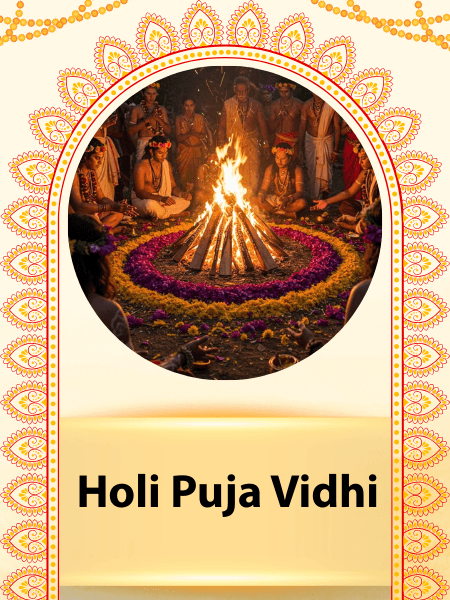
Holi Puja Vidhi Step-by-Step Guide
Perform Holi Puja 2026 correctly with this step-by-step guide. Know Holika Dahan muhurat, पूजा सामग्री, rituals, and the spiritual significance of Holi worship.

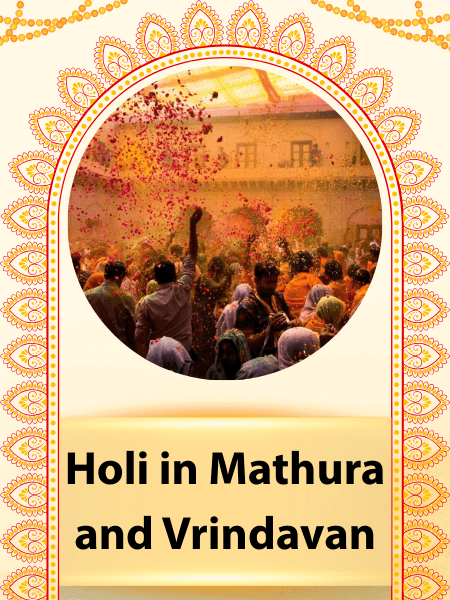
Holi in Mathura and Vrindavan
Experience Holi 2026 in Mathura and Vrindavan. Discover famous celebrations like Lathmar Holi, Phoolon ki Holi, temple rituals, and travel tips for the festival.
Difference Between Holi and Holika Dahan
Confused between Holi and Holika Dahan? Learn the key differences in date, rituals, meaning, and cultural importance of these two major Hindu festivals.