 Download
 Share
ShareDifference Between Shivratri and Mahashivratri
Discover the difference between Shivratri and Mahashivratri. Learn their meaning, history, significance, and why both occasions are important for the worship of Lord Shiva.
About Shivratri and Mahashivratri
Shivratri and Mahashivratri are sacred observances dedicated to Lord Shiva in Hindu tradition. While Shivratri (Masik Shivratri) occurs every month with simple fasting and prayers, Mahashivratri is the grand annual festival marked by strict vrat, night-long worship, and special puja rituals. Both symbolize spiritual awakening, devotion, and the divine power of Shiva, but Mahashivratri holds greater religious and cultural significance and attracts millions of devotees across India and worldwide.
Pujas Chosen Just for You
Conduct a Puja in your name and gotra and seek divine blessings for your family.

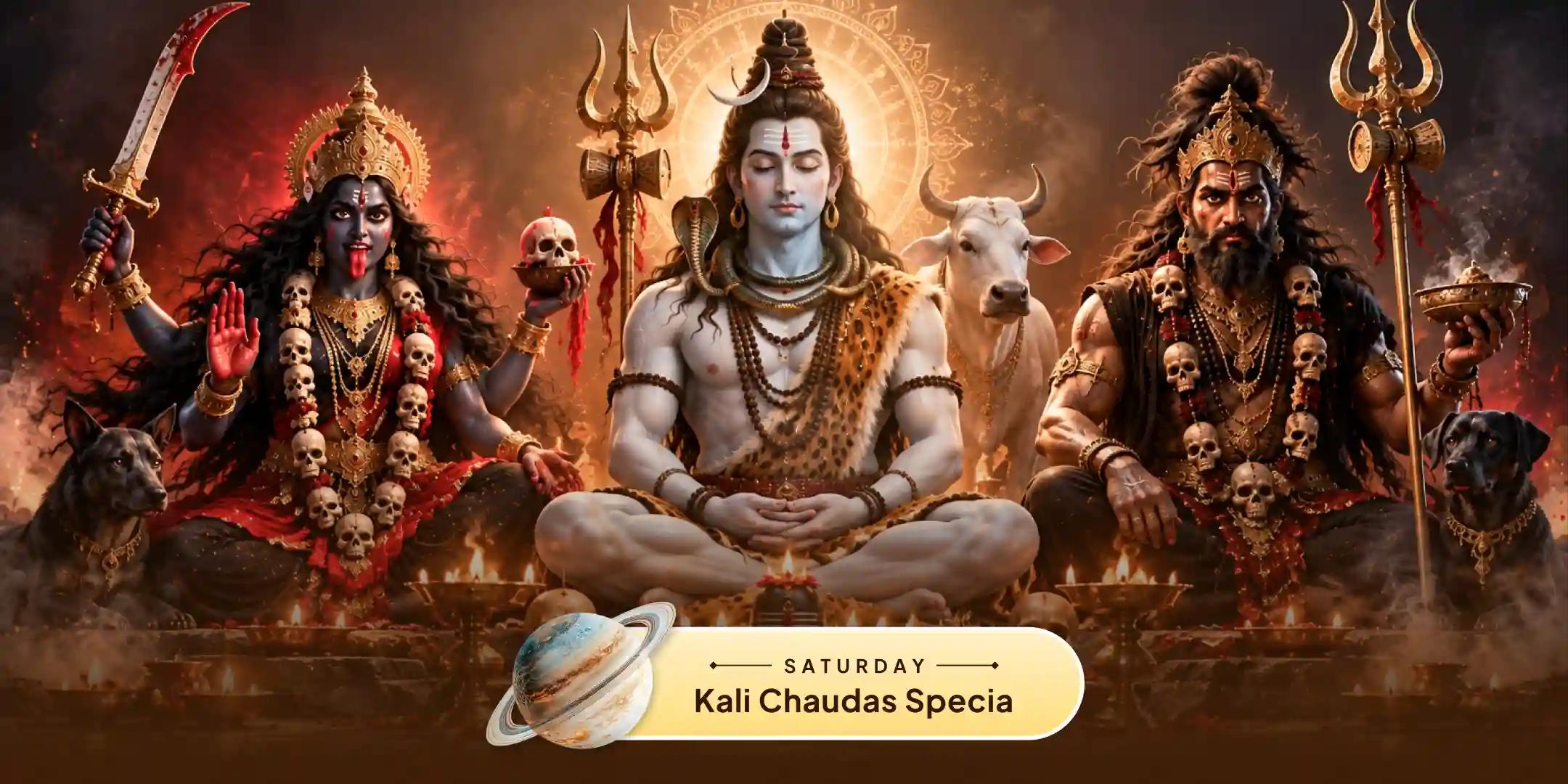
Difference Between Shivratri and Mahashivratri
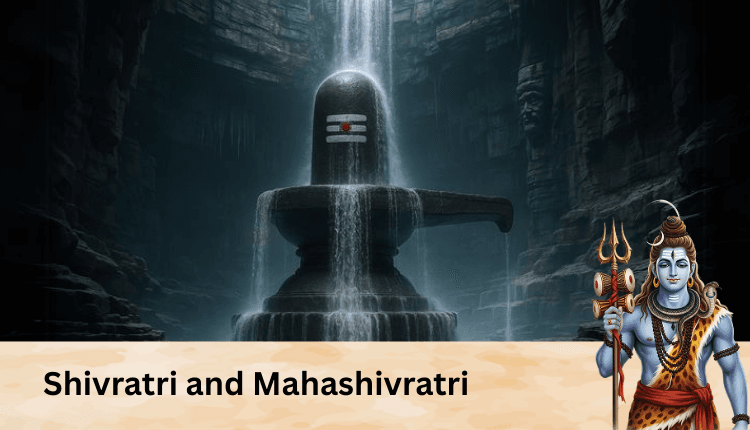
In Hinduism, Lord Shiva is one of the most worshipped deities. Devotees observe special days and nights to worship Lord Shiva, among which Shivratri and Mahashivratri are very important. Many people think that Shivratri and Mahashivratri are the same, but in reality, there is a clear difference between the two. Both are sacred nights dedicated to Lord Shiva, but their importance, frequency, rituals, and spiritual meaning are different. This article explains the difference between Shivratri and Mahashivratri in simple English, so that everyone can easily understand.
What is Shivratri?
Shivratri means “Night of Lord Shiva.” The word is made from:
- Shiva – Lord Shiva
- Ratri – Night Shivratri is observed every month on the 14th day (Chaturdashi) of the Krishna Paksha (waning moon) according to the Hindu lunar calendar. This monthly Shivratri is known as Masik Shivratri. Devotees observe this day to show their devotion to Lord Shiva. Many people fast, visit Shiva temples, and offer prayers on this day.
What is Mahashivratri?
Mahashivratri means “The Great Night of Lord Shiva.” It is the most important Shivratri of the entire year. Mahashivratri is celebrated once a year, usually in the Hindu month of Phalguna (February or March). It is considered much more powerful and spiritually important than regular monthly Shivratri. On Mahashivratri, millions of devotees across India and the world observe strict fasts, stay awake all night, and perform special Shiva Puja.
Main Differences Between Shivratri and Mahashivratri
Below are the key differences explained in simple words:
1. Frequency (How Often They Are Celebrated)
Shivratri (Masik Shivratri): Celebrated every month Comes 12 times a year Mahashivratri: Celebrated once a year The biggest and most important Shivratri
2. Level of Importance
Shivratri: Important for regular worship Good for maintaining devotion and discipline Mahashivratri: Very highly important Considered the holiest night for Lord Shiva worship Believed to give special spiritual and material blessings
3. Month of Celebration
Shivratri: Occurs every month on Krishna Paksha Chaturdashi Mahashivratri: Occurs only in the month of Phalguna Usually in February or March
4. Spiritual Power
Shivratri: Spiritually beneficial Good for regular spiritual practice Mahashivratri: Considered extremely powerful spiritually Best night for meditation, yoga, and inner awakening Energy of the universe is believed to be at its highest
5. Historical and Mythological Importance
Shivratri: No major universal story linked to every monthly Shivratri Focus is on general worship of Lord Shiva Mahashivratri: Connected to many important stories, such as: Marriage of Shiva and Parvati Shiva drinking poison during Samudra Manthan Appearance of Shiva Lingam Shiva’s cosmic dance (Tandava)
6. Type of Fasting
Shivratri: Light or optional fasting Some people eat fruits and milk Mahashivratri: Strict fasting is common Many people do full-day fast without food Some even avoid water (Nirjala Vrat)
7. Night Vigil (Jagran)
Shivratri: Night vigil is optional Many people sleep at night Mahashivratri: Staying awake all night is very important Devotees do bhajans, meditation, and prayers all night
8. Puja and Rituals
Shivratri: Simple Shiva Puja Abhishekam may be done once Mahashivratri: Special and detailed Puja Abhishekam done multiple times Four Prahar Puja is performed by many devotees
9. Temple Celebrations
Shivratri: Regular temple crowd Normal temple routine Mahashivratri: Very large crowds in Shiva temples Special decorations and night-long events Famous temples like Kashi Vishwanath, Kedarnath, Ujjain Mahakaleshwar, Somnath become very crowded
10. Cultural and Social Importance
Shivratri: Mainly religious Limited cultural celebrations Mahashivratri: Major cultural and spiritual festival Celebrated with fairs, processions, and large gatherings in many places
Similarities Between Shivratri and Mahashivratri
Even though they are different, Shivratri and Mahashivratri also share some similarities:
- Both are dedicated to Lord Shiva
- Both fall on Chaturdashi Tithi
- Both involve fasting and Shiva Puja
- Both encourage devotion and self-discipline
- Both focus on prayer and purification
Why Mahashivratri is Called “Maha” (Great)
Mahashivratri is called “Maha” because:
- It is celebrated only once a year
- It is connected to major Shiva stories
- It has very high spiritual importance
- It is believed to give faster spiritual progress
- It is the most powerful night for Shiva worship This makes Mahashivratri much greater than regular Shivratri.
Which One Should You Observe?
Ideally, devotees are encouraged to observe:
- Monthly Shivratri for regular spiritual discipline
- Mahashivratri for deep spiritual practice and major blessings Even if someone cannot fast every month, observing Mahashivratri is considered very beneficial.
Importance in Modern Life
In today’s busy life, people often forget to take time for spiritual growth. Monthly Shivratri helps in maintaining a spiritual routine, while Mahashivratri gives a chance for deep reflection, meditation, and inner cleansing. Both festivals teach:
- Control over desires
- Patience and devotion
- Inner peace
- Connection with higher power
Conclusion
Shivratri and Mahashivratri are both sacred nights dedicated to Lord Shiva, but they are not the same. Shivratri is observed every month and helps devotees stay connected with Lord Shiva regularly. Mahashivratri, on the other hand, is the greatest and most powerful Shivratri of the year. Mahashivratri has deeper spiritual meaning, stronger religious importance, and larger cultural celebrations. That is why it is called “Maha” — the great night of Lord Shiva. By understanding the difference, devotees can better appreciate the value of both Shivratri and Mahashivratri and use these sacred days for spiritual growth, peace, and divine blessings.

Did you like this article?
Recommended
Read more
Holi Puja Vidhi Step-by-Step Guide
Perform Holi Puja 2026 correctly with this step-by-step guide. Know Holika Dahan muhurat, पूजा सामग्री, rituals, and the spiritual significance of Holi worship.

Holi in Mathura and Vrindavan
Experience Holi 2026 in Mathura and Vrindavan. Discover famous celebrations like Lathmar Holi, Phoolon ki Holi, temple rituals, and travel tips for the festival.
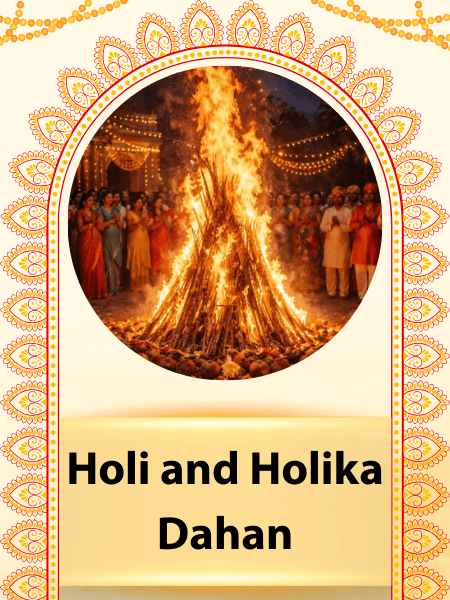
Difference Between Holi and Holika Dahan
Confused between Holi and Holika Dahan? Learn the key differences in date, rituals, meaning, and cultural importance of these two major Hindu festivals.