 Download
 Share
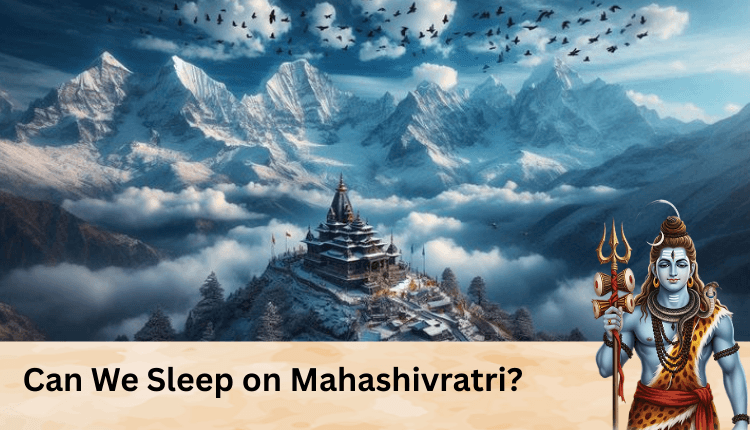
ShareCan We Sleep on Mahashivratri Night?
Mahashivratri is one of the most sacred nights dedicated to Lord Shiva. Devotees fast, chant mantras, and perform night-long worship known as Shivratri Jagran. A common question many people ask is: Can we sleep on Mahashivratri night? According to Hindu tradition, devotees are encouraged to stay awake, but understanding the deeper meaning helps you observe the festival with true devotion.
About Can We Sleep on Mahashivratri Night
On Mahashivratri, devotees traditionally observe a night-long vigil (Jagran) dedicated to Lord Shiva. Staying awake symbolizes spiritual awareness and devotion. While scriptures encourage wakefulness, people who are unable to remain awake due to health or genuine reasons can still worship with sincere faith and devotion.
Pujas Chosen Just for You
Conduct a Puja in your name and gotra and seek divine blessings for your family.

Can We Sleep on Mahashivratri Night?
Mahashivratri is one of the most sacred Hindu festivals dedicated to Lord Shiva. It is known as the “Great Night of Shiva.” Unlike most Hindu festivals that are celebrated during the day, Mahashivratri is mainly observed at night. Devotees stay awake, pray, fast, and perform special worship to receive Lord Shiva’s blessings. A very common question many people ask is: Can we sleep on Mahashivratri night? This article explains the spiritual meaning, religious belief, and practical guidance in simple English.
Why is Mahashivratri Celebrated at Night?
Mahashivratri is a night festival because it is believed that on this night, Lord Shiva’s divine energy is very active. According to spiritual beliefs: Lord Shiva performed the Tandava (cosmic dance) on this night Lord Shiva and Goddess Parvati were married on this night Shiva drank poison (Neelkanth) to save the universe Divine energy is strongest at midnight That is why devotees stay awake and worship Lord Shiva throughout the night.
Importance of Staying Awake (Jagran)
Staying awake on Mahashivratri night is called Jagran. Jagran is considered very important and spiritually powerful. Spiritually, Jagran means:
- Staying awake in awareness
- Controlling sleep and laziness
- Being alert in spiritual life
- Victory over ignorance and darkness It is believed that staying awake and worshipping Lord Shiva during the night brings more spiritual benefits than sleeping.
Is It a Sin to Sleep on Mahashivratri?
No, it is not a sin to sleep on Mahashivratri night. Hindu dharma is practical and compassionate. The rules of Mahashivratri are meant to guide devotees, not punish them. If someone:
- Is sick
- Is elderly
- Is very tired
- Has health problems
- Has work or family responsibilities They can take rest or sleep. Lord Shiva understands human limitations. What matters most is devotion, faith, and pure intention, not forcing the body beyond its limits.
What Do Scriptures and Beliefs Say?
According to traditional beliefs, staying awake on Mahashivratri is highly recommended. It is said that:
- Jagran increases the spiritual power of prayers
- Night worship pleases Lord Shiva more
- Midnight (Nishita Kaal) is the most auspicious time However, scriptures also teach compassion and balance. They do not support harming your health in the name of devotion.
Benefits of Staying Awake on Mahashivratri
Devotees believe that staying awake brings:
- Spiritual awareness
- Control over senses
- Mental discipline
- Stronger connection with Lord Shiva Removal of negative thoughts
- Inner peace
- Staying awake also helps devotees take part in:
- 4 Prahar Puja
- Bhajans and kirtans
- Shiva Abhishek
- Meditation and chanting
If You Cannot Stay Awake All Night
Not everyone can stay awake the whole night. That is completely okay. Here are simple and practical options:
1. Stay Awake for Some Time
If possible, stay awake till: Late night Midnight (Nishita Kaal) At least one Prahar Even partial Jagran is spiritually beneficial.
2. Do Special Midnight Puja
If you cannot stay awake all night, try to: Wake up at midnight Do quick Shiva puja Chant mantras Offer water or milk to Shivling Then you can rest.
3. Pray Before Sleeping
If you must sleep: Do Shiva puja before sleeping Pray sincerely to Lord Shiva Ask for forgiveness and blessings Your devotion still matters.
Spiritual Meaning of Not Sleeping
Symbolically, not sleeping on Mahashivratri means:
- Staying awake in spiritual life
- Not being lazy about self-improvement
- Being alert to truth and awareness
- Overcoming darkness of ignorance It is more about inner awakening than just physical sleeplessness.
Health Comes First
Lord Shiva is known as Bhole Nath — kind and understanding. He does not want his devotees to harm their health. People who should avoid strict Jagran:
- Elderly people
- Pregnant women
- Sick persons
- Children
- People with medical conditions They can pray during the day and take proper rest at night.
Simple Ways to Stay Spiritually Awake (Even If You Sleep)
Even if you sleep, you can stay spiritually connected by:
- Chanting Om Namah Shivaya before bed
- Listening to Shiva bhajans softly
- Meditating for a few minutes
- Keeping positive and pure thoughts Spiritual awareness is more important than physical rules.
What Temples Do
In many Shiva temples, Jagran is observed with:
- Continuous Abhishek
- Bhajans and kirtans
- Shiva katha
- 4 Prahar Puja Devotees who visit temples often stay awake naturally because of the spiritual atmosphere.
Balance Between Devotion and Practical Life
Mahashivratri teaches balance:
- Devotion with discipline
- Faith with common sense
- Spiritual rules with compassion True devotion is not shown by suffering, but by love, sincerity, and pure heart.
Conclusion
So, can we sleep on Mahashivratri night? The simple answer is: Yes, you can sleep if needed. It is not a sin. But staying awake (Jagran) is highly recommended for spiritual benefits. If you can stay awake, it is very good. If you cannot, pray sincerely and rest without guilt. Lord Shiva looks at your heart, not just your physical actions. Mahashivratri is a night of spiritual awakening, devotion, and inner transformation. Whether awake or resting, keep Lord Shiva in your thoughts and heart. Om Namah Shivaya!

Did you like this article?
Recommended
Read more
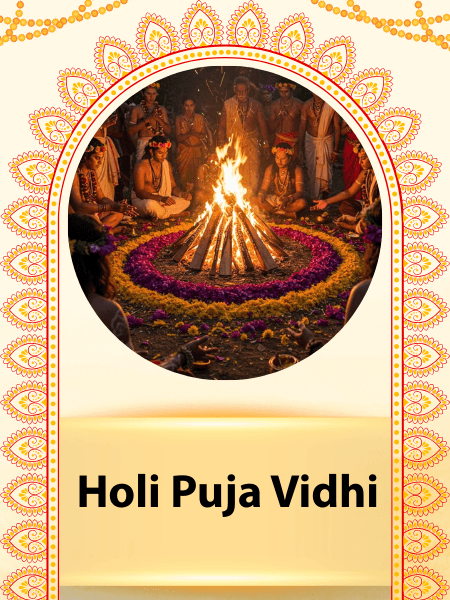
Holi Puja Vidhi Step-by-Step Guide
Perform Holi Puja 2026 correctly with this step-by-step guide. Know Holika Dahan muhurat, पूजा सामग्री, rituals, and the spiritual significance of Holi worship.

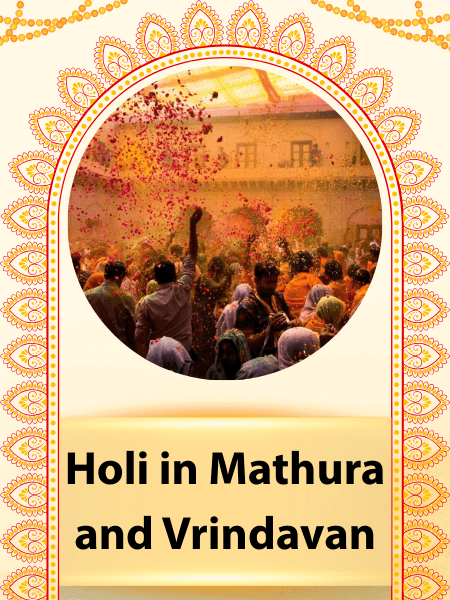
Holi in Mathura and Vrindavan
Experience Holi 2026 in Mathura and Vrindavan. Discover famous celebrations like Lathmar Holi, Phoolon ki Holi, temple rituals, and travel tips for the festival.
Difference Between Holi and Holika Dahan
Confused between Holi and Holika Dahan? Learn the key differences in date, rituals, meaning, and cultural importance of these two major Hindu festivals.