
 Download
 Share
Share

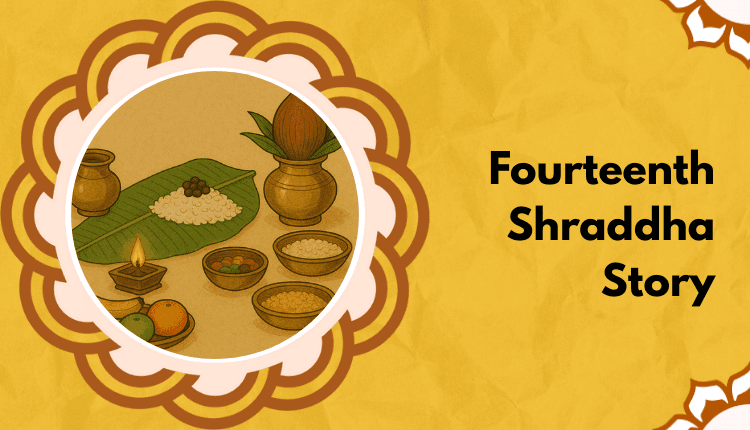
Fourteenth Shraddha Story
Learn the divine story of the Fourteenth Shraddha, a spiritually significant day where devotees perform rituals and offer food to departed souls, seeking blessings and eternal peace for their ancestors.
Fourteenth Shraddha Story in English
In the Garuda Purana, there is a story about Shraddha involving Bhishma Pitamah and Yudhishthir. During their conversation, Bhishma explained the significance of Shraddha during Pitru Paksha (a period dedicated to ancestors). He recounted how Maharishi Nimi first learned about Shraddha from Sage Atri. According to the tale, Nimi was grieving the sudden death of his son and began invoking his ancestors. In response, his ancestors appeared and revealed that Nimi’s son had already taken his place among the ancestral gods (Pitru Devas). They praised Nimi’s offerings and rituals for his son, stating that it resembled performing a sacred Pitru Yajna. This marked the beginning of the tradition of Shraddha. Afterward, Maharishi Nimi began practicing Shraddha rituals, which were later adopted by sages and humanity as a whole. Over time, people started performing Shraddha to ensure the salvation of their ancestors and receive their blessings. Shraddha became an important ritual in Sanatan Dharma.

Did you like this article?
Recommended
Read more
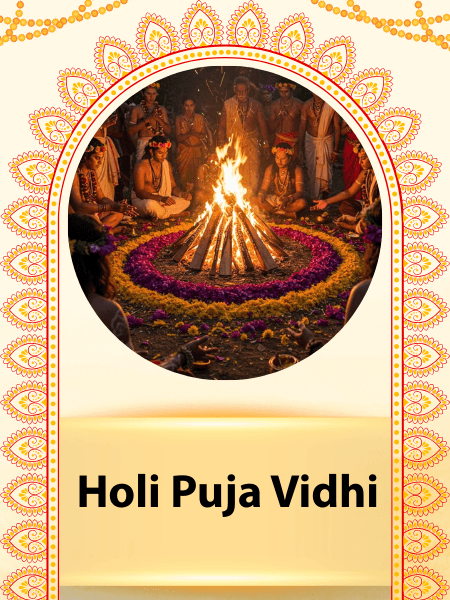
Holi Puja Vidhi Step-by-Step Guide
Perform Holi Puja 2026 correctly with this step-by-step guide. Know Holika Dahan muhurat, पूजा सामग्री, rituals, and the spiritual significance of Holi worship.

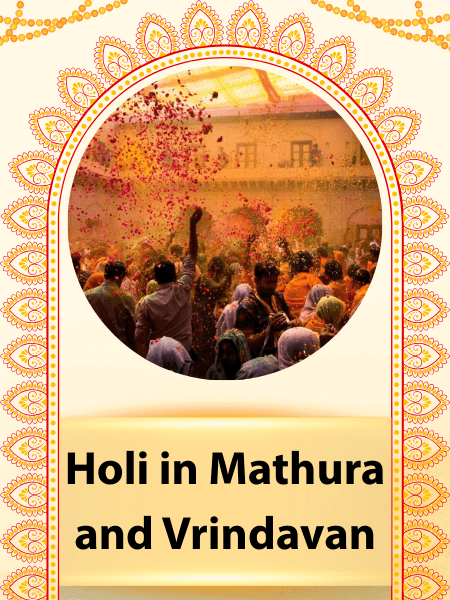
Holi in Mathura and Vrindavan
Experience Holi 2026 in Mathura and Vrindavan. Discover famous celebrations like Lathmar Holi, Phoolon ki Holi, temple rituals, and travel tips for the festival.
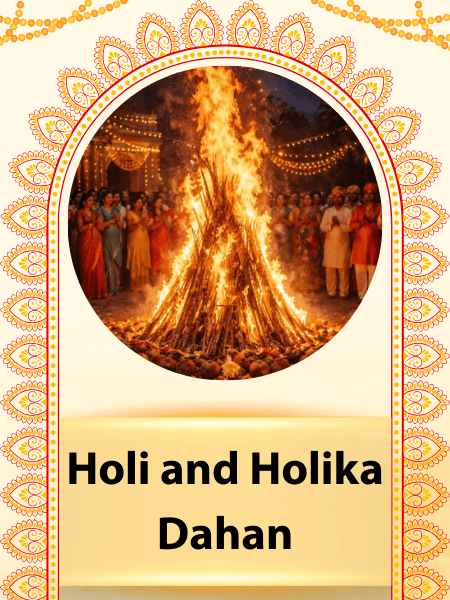
Difference Between Holi and Holika Dahan
Confused between Holi and Holika Dahan? Learn the key differences in date, rituals, meaning, and cultural importance of these two major Hindu festivals.