 Download
 Share
ShareHari Baba Bandh Dham Badaun
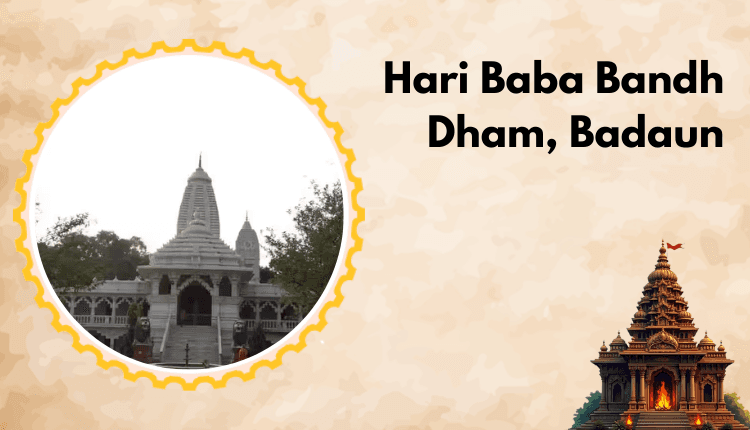
Visiting Hari Baba Bandh Dham in Badaun is a spiritually enriching experience. Known for its divine atmosphere and devotion-filled surroundings, this temple attracts devotees from across the region. Explore the history, rituals, and significance of Hari Baba Bandh Dham and plan your visit to feel its spiritual energy.
About Hari Baba Bandh Dham
Hari Baba Bandh Dham is a revered temple located in Badaun, Uttar Pradesh. Dedicated to Lord Hari Baba, this sacred site is known for its serene surroundings and powerful spiritual vibrations. Devotees visit to seek blessings, offer prayers, and perform rituals that are believed to bring peace, prosperity, and protection. The temple has a rich history intertwined with local legends, emphasizing devotion, faith, and community service. Pilgrims often participate in daily aarti, special poojas, and festivals celebrated here, enhancing their spiritual connection and inner peace. Visiting Hari Baba Bandh Dham is not just a religious activity but a journey towards spiritual upliftment and well-being.
Pujas Chosen Just for You
Conduct a Puja in your name and gotra and seek divine blessings for your family.


Hari Baba Bandh Dham, Badaun – A Complete Guide
Hari Baba Bandh Dham in Badaun is a famous religious destination, especially known among devotees. This place is regarded as the spiritual site of Hari Baba. If you want complete information about this temple such as timings, prasad, how to reach, etc., then read this article to know everything in one place. Hari Baba Bandh Dham is located in Gawan, in the Badaun district of Uttar Pradesh. It is a renowned spiritual site associated with the contributions of Saint Shri Hari Baba Maharaj. Hari Baba had a 36-kilometer-long embankment (bandh) constructed to protect the flood-affected regions, which brought immense relief to the local population. Even today, this sacred place is an important center for spiritual activities like Hari Kirtan and various religious events. Devotees also follow a ritual of offering soil in a plate (parat) and placing it on the embankment as an act of devotion. Hari Baba Bandh Dham is not just a religious site—it also stands as a symbol of social service and cultural inspiration.
History of Hari Baba Bandh Dham, Badaun
Hari Baba Maharaj was born in Gandhwal village of Hoshiarpur district in Punjab. From childhood, he had a deep inclination towards spirituality and service. Although he studied MBBS at Lahore Medical College, he eventually renounced worldly life and chose the path of renunciation and service. He settled in the Khadar region near the Ganga River, engaging in meditation and social service. One year, massive floods devastated the region, affecting thousands of people. Witnessing their suffering, Hari Baba decided to help. Through public cooperation, he constructed a 36-kilometer-long embankment within just six months. This effort protected the entire region from future flood threats and became a remarkable example of selfless service.
Architecture of Hari Baba Bandh Dham
The main temple of Hari Baba Bandh Dham is grand and beautifully designed, showcasing traditional Hindu architecture. The temple features: Tall and detailed shikhars
Artistic carvings
Sacred religious symbols
All of these create a serene and spiritual atmosphere for visiting devotees. Near the main temple is a Sankirtan Hall where 24-hour continuous Hari Kirtan is performed. This hall is ideal for meditation and devotional singing. The tradition of offering soil in a plate continues even today and is considered an act of great merit. This ritual has been followed since the time of Hari Baba Maharaj.
Timings of Hari Baba Bandh Dham
Hari Baba Bandh Dham in Gawan remains open 24 hours, allowing devotees to visit anytime according to their convenience. During the Guru Puja Festival, large crowds gather, highlighting the spiritual significance of this holy place. Special kirtans, bhajans, and rituals are conducted during festivals and important occasions. For details about special events or ceremonies, devotees can refer to the official website or local information sources.
Prasad at Hari Baba Bandh Dham
Devotees visiting the temple receive special sweets and water as prasad. This tradition began during the time of Hari Baba Maharaj, who himself distributed prasad while performing kirtans. It is believed that the prasad he distributed never ran out, symbolizing his divine blessings. The same tradition continues today, and devotees feel spiritually blessed after receiving it.
How to Reach Hari Baba Bandh Dham, Badaun
Here are the major travel options to reach Hari Baba Bandh Dham: a) By Train The nearest major railway station is Badaun Railway Station, located about 30 km from Hari Baba Bandh Dham. From the station, you can reach the temple via: Taxi
Auto-rickshaw
Local buses
The journey takes around 45 minutes to 1 hour. b) By Bus From Badaun city, regular buses operate to Gawan, where the temple is located. From Gawan, the best way to reach the dham is by: Auto-rickshaw
Local taxi
Bus journey from Badaun to Gawan usually takes 1 to 1.5 hours, depending on traffic and road conditions. c) By Air The nearest airport is Indira Gandhi International Airport (IGI), Delhi, about 200 km from Badaun. From Delhi, you can reach Badaun by: Taxi or cab (4–5 hours by road)
After reaching Badaun, you can travel to Gawan via: Bus
Auto-rickshaw
Taxi
Thus, the dham is easily accessible by train, bus, or air depending on your preference.

Did you like this article?
Recommended
Read more

Famous Temples in Varanasi
Discover famous temples in Varanasi you must visit in 2026. Explore history, significance, temple timings, and spiritual importance of Varanasi’s top temples.


Famous Shiva Temples in Chennai
Discover famous Shiva temples in Chennai you must visit in 2026. Explore history, significance, temple timings, and spiritual importance of Chennai’s top Shiva temples.

The Spiritual Heart of Pune
Discover the spiritual heart of Pune in 2026. Explore famous temples, ashrams, and sacred places that bring peace, devotion, and divine energy