

Today
Tomorrow

 06-12-2024
6 December, 2024

Today's Special Puja Shukla-Paksha,Friday
Mrigashira Month
Hemant,Peengal 2081
Today's Special Puja Shukla-Paksha,Friday
Mrigashira Month
Hemant,Peengal 2081
Festival
Vivah Panchami, Subrahmanya Sashti, Naga Panchami *Telugu, Skanda Sashti
Festival
Vivah Panchami, Subrahmanya Sashti, Naga Panchami *Telugu, Skanda Sashti
Auspicious-Inauspicious Timings

Auspicious Timings
Auspicious Timings
11:29 AM से 12:11 PM
11:29 AM से 12:11 PM
Rahu Kaal
Rahu Kaal
10:30 AM से 11:50 AM
10:30 AM से 11:50 AM
Gulik Kaal
Gulik Kaal
7:51 AM से 9:10 AM
7:51 AM से 9:10 AM
Yamghant Kaal
Yamghant Kaal
2:29 PM से 3:49 PM
2:29 PM से 3:49 PM
सूर्यास्त-सूर्योदय


आज का पंचांग
Date
Shukla-Paksha Today's Special Puja
12:09 PM Till
12:09 PM Till
Nakshatra
Shravan
Till 5:19 PM
Till 5:19 PM
Yoga
Dhruv
Till 10:43 AM
Till 10:43 AM
Karana
Baalav
Till 12:06 PM
Till 12:06 PM
Month Amanta
Mrigashira
Month Purnimanta
Mrigashira
Vikram Samvat
2081 (Peengal)
Shaka Samvat
1946 (Krodhi)
Sun Sign
Scorpio
Moon Sign
Capricorn
Dishashool
WEST
Moon placement
SOUTH
Season
Hemant
Ayana
Dakshinayana

ठाकुर प्रसाद मासिक पंचांग देखें

Upcoming festivals
1 December, 2024
World AIDS Day
1 December, 2024
Darsha Amavasya
1 December, 2024
Anvadhan
1 December, 2024
Margashirsha Amavasya
2 December, 2024
Ishti
3 December, 2024
Chandra Darshan
5 December, 2024
Vinayaka Chaturthi
6 December, 2024
Vivah Panchami
6 December, 2024
Subrahmanya Sashti
6 December, 2024
Naga Panchami *Telugu
6 December, 2024
Skanda Sashti
7 December, 2024
Champa Shashthi
8 December, 2024
Bhanu Saptami
9 December, 2024
Masik Durgashtami
11 December, 2024
Gita Jayanti
11 December, 2024
Mokshada Ekadashi
12 December, 2024
Guruvayur Ekadashi
12 December, 2024
Gauna Mokshada Ekadashi
12 December, 2024
Vaishnava Mokshada Ekadashi
12 December, 2024
Matsya Dwadashi
13 December, 2024
Hanuman Jayanti *Kannada
13 December, 2024
Karthigai Deepam
13 December, 2024
Pradosh Vrat
15 December, 2024
Dattatreya Jayanti
15 December, 2024
Annapurna Jayanti
15 December, 2024
Bhairavi Jayanti
15 December, 2024
Rohini Vrat
15 December, 2024
Margashirsha Purnima Vrat
15 December, 2024
Margashirsha Purnima
15 December, 2024
Anvadhan
16 December, 2024
Pausha Begins *North
16 December, 2024
Dhanu Sankranti
16 December, 2024
Ishti
18 December, 2024
Sankashti Chaturthi
21 December, 2024
Shortest Day of Year
22 December, 2024
Bhanu Saptami
22 December, 2024
Masik Krishna Janmashtami
23 December, 2024
Kalashtami
26 December, 2024
Mandala Pooja
26 December, 2024
Saphala Ekadashi
28 December, 2024
Shani Trayodashi
28 December, 2024
Pradosh Vrat
29 December, 2024
Masik Shivaratri
30 December, 2024
Darsha Amavasya
30 December, 2024
Anvadhan
31 December, 2024
Hanumath Jayanthi
31 December, 2024
Ishti
31 December, 2024
Paush Amavasya

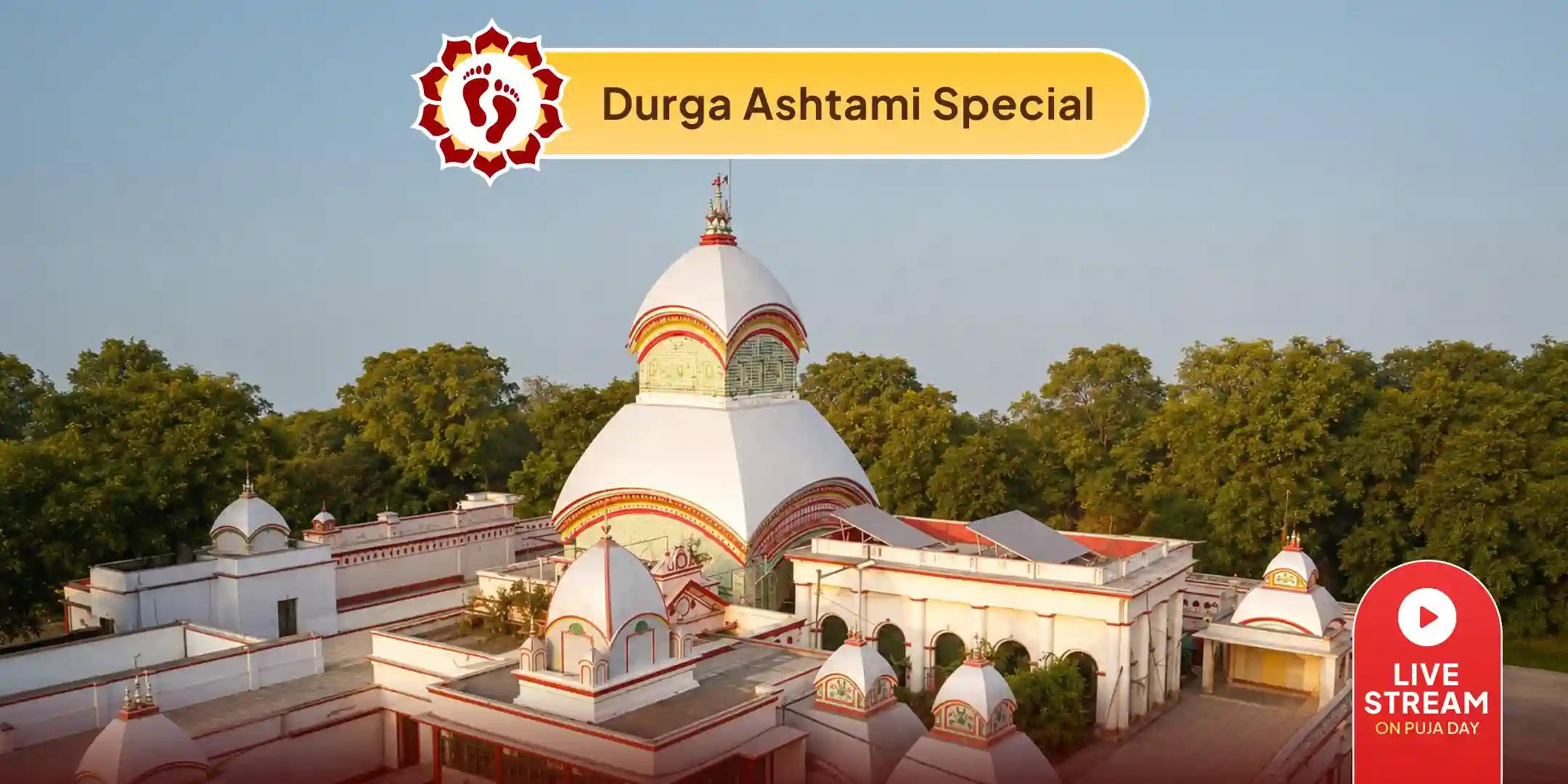
Maa Bagalamukhi, Maa Kali, Maa Tara, Maa Shodashi and Maa Bhuvaneshwari Shakti-Samriddhi Mahayagya
For Negativity Shielding and Abundance


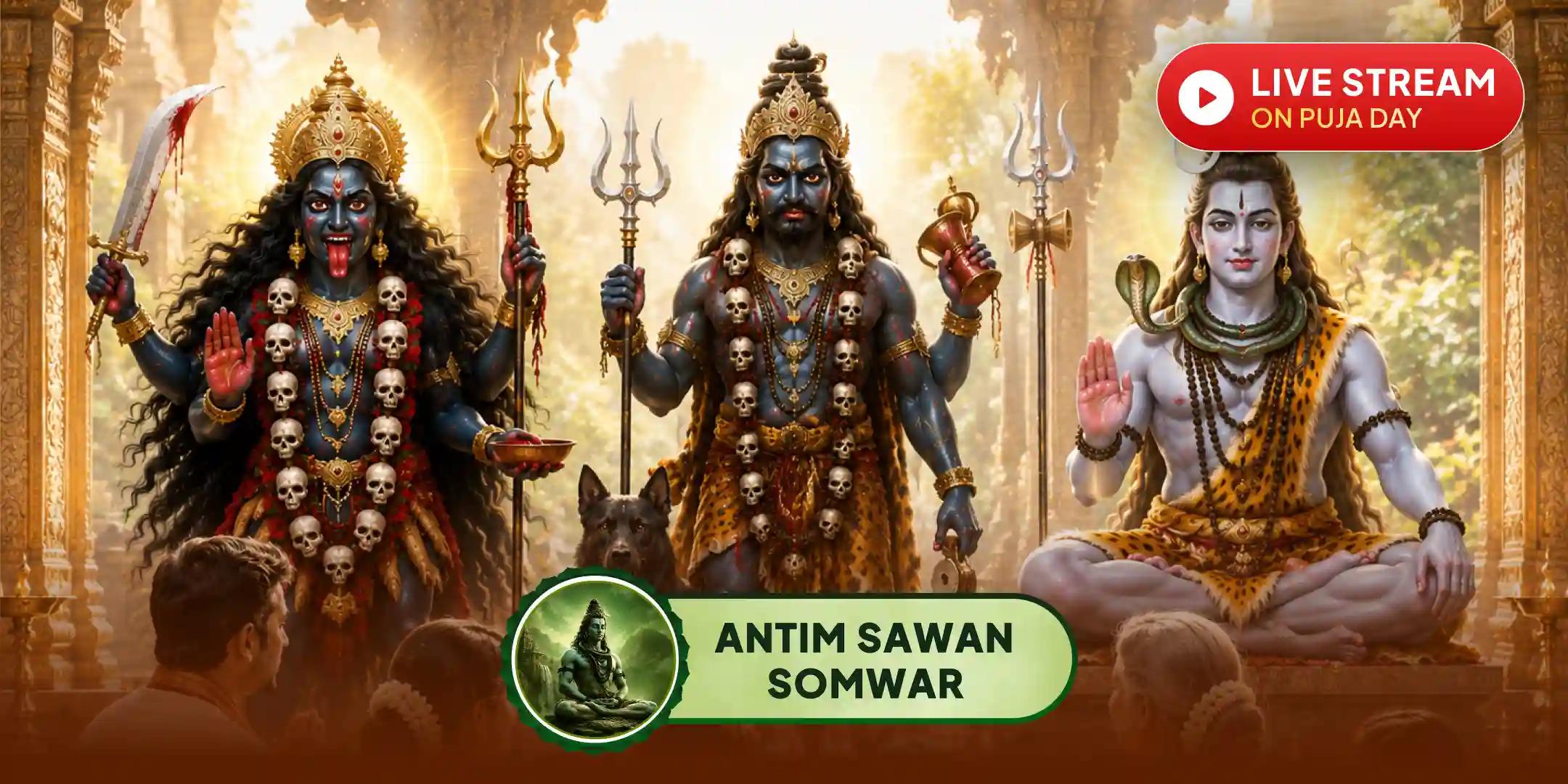
Antim Somvar 1,25,000 Shiv Mantra Jaap, 1,25,000 Bhairav Mantra Jaap, 1,25,000 Kali Mantra Jaap and Badha Mukti Mahayagya
Seek protection from negativity and hidden obstacles and receive the divine protection of Tri Shakti
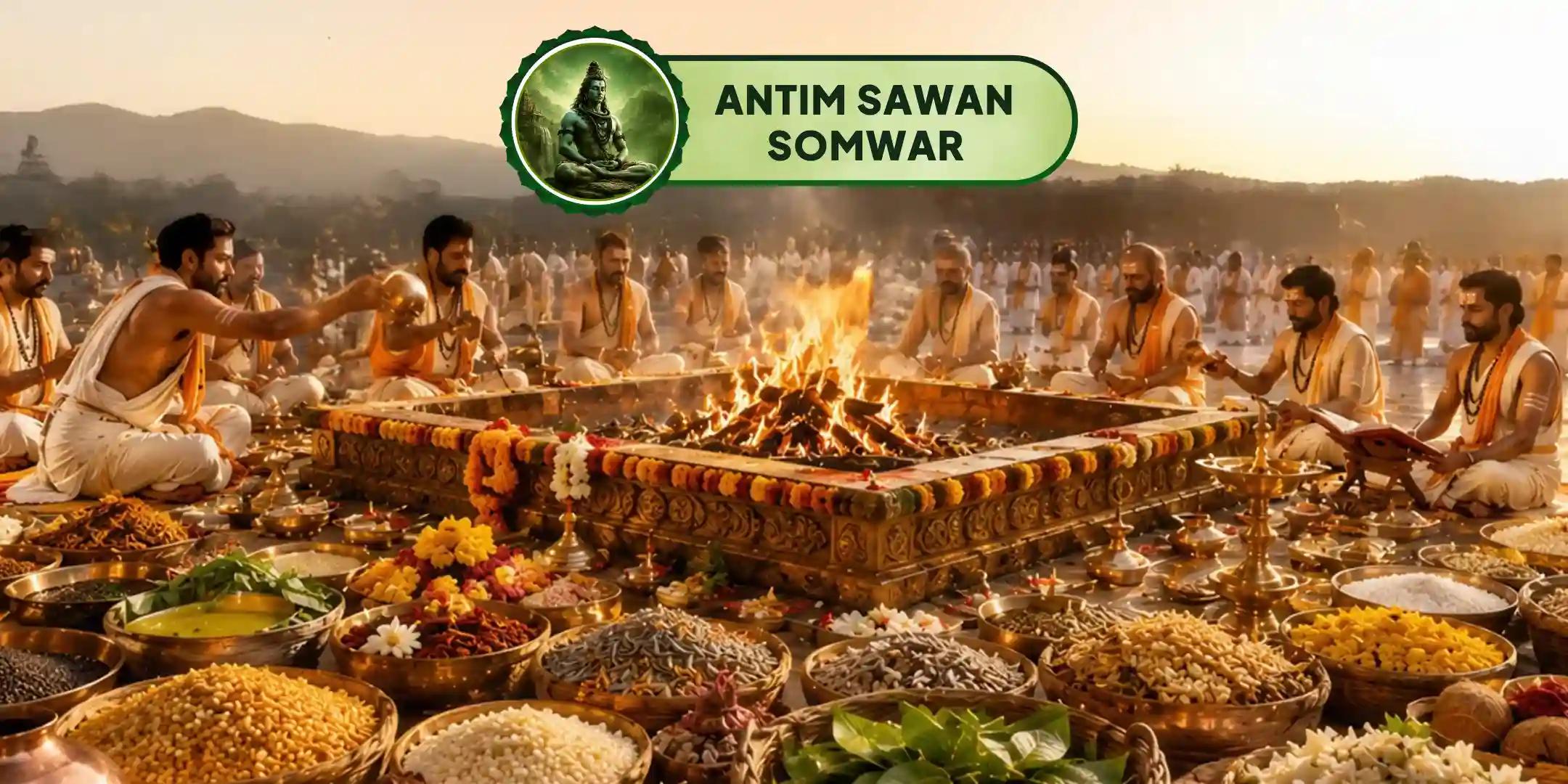
1000 Kg Kale Til, Jau, Chawal, Belgiri Samagri Mahayagya and Kawad Yatri 1000 Kg Bhojan Bhandara Seva
Book this Maha Yagya for Paap Nash and the removal of life's biggest hardships and obstacles
Complete Panchang, Varanasi, Uttar Pradesh, India
Today holds spiritual and astrological importance for the devotees in Varanasi, Uttar Pradesh, India. On this Friday, we observe the Shukla-Paksha Today's Special Puja of the Today's Special Puja Shukla-Paksha during the sacred month of Mrigashira. As the Hemant season continues, the Sun transits in Scorpio, while the Moon resides in Capricorn. According to the Panchang, the Shukla-Paksha Today's Special Puja is active until 12:09 PM Till, after which the next lunar day begins. The Nakshatra for today is Shravan, which lasts until Till 5:19 PM, followed by the next Nakshatra. The Yoga today is Dhruv, which prevails until Till 10:43 AM. The Karan at the start of the day is Baalav, ending at Till 12:06 PM.
In Varanasi, Uttar Pradesh, India, the sun rises at 6:31 AM and sets at 5:09 PM, defining the spiritual rhythm of the day. The Moon rises at 10:48 AM and sets at 9:54 PM. Directionally, the Disha Shool is present in the WEST direction, so it is advisable to avoid travel toward this direction unless necessary. If unavoidable, traditional remedies such as consuming ginger or jaggery before leaving home are recommended. The Moon is positioned toward the SOUTH today, affecting emotional energy and mental clarity.
The most auspicious moment of the day, Abhijit Muhurat, falls between 11:29 AM से 12:11 PM and is ideal for initiating important tasks or spiritual practices. However, a few inauspicious windows should be avoided. Rahu Kaal is from 10:30 AM से 11:50 AM, Gulika Kaal from 7:51 AM से 9:10 AM, and Yamaganda Kaal from 2:29 PM से 3:49 PM during which starting new ventures is generally discouraged.


6 December, 2024
Today's Special Puja Shukla-Paksha,Friday
Mrigashira Month
Hemant,Peengal 2081
Today's Special Puja Shukla-Paksha,Friday
Mrigashira Month
Hemant,Peengal 2081
Festival
Vivah Panchami, Subrahmanya Sashti, Naga Panchami *Telugu, Skanda Sashti
Festival
Vivah Panchami, Subrahmanya Sashti, Naga Panchami *Telugu, Skanda Sashti
Auspicious-Inauspicious Timings
Auspicious Timings
Auspicious Timings
11:29 AM से 12:11 PM
11:29 AM से 12:11 PM
Rahu Kaal
Rahu Kaal
10:30 AM से 11:50 AM
10:30 AM से 11:50 AM
Gulik Kaal
Gulik Kaal
7:51 AM से 9:10 AM
7:51 AM से 9:10 AM
Yamghant Kaal
Yamghant Kaal
2:29 PM से 3:49 PM
2:29 PM से 3:49 PM
Panchang
Date
Shukla-Paksha Today's Special Puja
12:09 PM Till
12:09 PM Till
Nakshatra
Shravan
Till 5:19 PM
Till 5:19 PM
Yoga
Dhruv
Till 10:43 AM
Till 10:43 AM
Karana
Baalav
Till 12:06 PM
Till 12:06 PM
Month Amanta
Mrigashira
Month Purnimanta
Mrigashira
Vikram Samvat
2081 (Peengal)
Shaka Samvat
1946 (Krodhi)
Sun Sign
Scorpio
Moon Sign
Capricorn
Dishashool
WEST
Moon placement
SOUTH
Season
Hemant
Ayana
Dakshinayana
Upcoming festivals
1 December, 2024
World AIDS Day
1 December, 2024
Darsha Amavasya
1 December, 2024
Anvadhan
1 December, 2024
Margashirsha Amavasya
2 December, 2024
Ishti
3 December, 2024
Chandra Darshan
5 December, 2024
Vinayaka Chaturthi
6 December, 2024
Vivah Panchami
6 December, 2024
Subrahmanya Sashti
6 December, 2024
Naga Panchami *Telugu
6 December, 2024
Skanda Sashti
7 December, 2024
Champa Shashthi
8 December, 2024
Bhanu Saptami
9 December, 2024
Masik Durgashtami
11 December, 2024
Gita Jayanti
11 December, 2024
Mokshada Ekadashi
12 December, 2024
Guruvayur Ekadashi
12 December, 2024
Gauna Mokshada Ekadashi
12 December, 2024
Vaishnava Mokshada Ekadashi
12 December, 2024
Matsya Dwadashi
13 December, 2024
Hanuman Jayanti *Kannada
13 December, 2024
Karthigai Deepam
13 December, 2024
Pradosh Vrat
15 December, 2024
Dattatreya Jayanti
15 December, 2024
Annapurna Jayanti
15 December, 2024
Bhairavi Jayanti
15 December, 2024
Rohini Vrat
15 December, 2024
Margashirsha Purnima Vrat
15 December, 2024
Margashirsha Purnima
15 December, 2024
Anvadhan
16 December, 2024
Pausha Begins *North
16 December, 2024
Dhanu Sankranti
16 December, 2024
Ishti
18 December, 2024
Sankashti Chaturthi
21 December, 2024
Shortest Day of Year
22 December, 2024
Bhanu Saptami
22 December, 2024
Masik Krishna Janmashtami
23 December, 2024
Kalashtami
26 December, 2024
Mandala Pooja
26 December, 2024
Saphala Ekadashi
28 December, 2024
Shani Trayodashi
28 December, 2024
Pradosh Vrat
29 December, 2024
Masik Shivaratri
30 December, 2024
Darsha Amavasya
30 December, 2024
Anvadhan
31 December, 2024
Hanumath Jayanthi
31 December, 2024
Ishti
31 December, 2024
Paush Amavasya

Maa Bagalamukhi, Maa Kali, Maa Tara, Maa Shodashi and Maa Bhuvaneshwari Shakti-Samriddhi Mahayagya
For Negativity Shielding and Abundance
Antim Somvar 1,25,000 Shiv Mantra Jaap, 1,25,000 Bhairav Mantra Jaap, 1,25,000 Kali Mantra Jaap and Badha Mukti Mahayagya
Seek protection from negativity and hidden obstacles and receive the divine protection of Tri Shakti
1000 Kg Kale Til, Jau, Chawal, Belgiri Samagri Mahayagya and Kawad Yatri 1000 Kg Bhojan Bhandara Seva
Book this Maha Yagya for Paap Nash and the removal of life's biggest hardships and obstacles
Complete Panchang, Varanasi, Uttar Pradesh, India
Today holds spiritual and astrological importance for the devotees in Varanasi, Uttar Pradesh, India. On this Friday, we observe the Shukla-Paksha Today's Special Puja of the Today's Special Puja Shukla-Paksha during the sacred month of Mrigashira. As the Hemant season continues, the Sun transits in Scorpio, while the Moon resides in Capricorn. According to the Panchang, the Shukla-Paksha Today's Special Puja is active until 12:09 PM Till, after which the next lunar day begins. The Nakshatra for today is Shravan, which lasts until Till 5:19 PM, followed by the next Nakshatra. The Yoga today is Dhruv, which prevails until Till 10:43 AM. The Karan at the start of the day is Baalav, ending at Till 12:06 PM.
In Varanasi, Uttar Pradesh, India, the sun rises at 6:31 AM and sets at 5:09 PM, defining the spiritual rhythm of the day. The Moon rises at 10:48 AM and sets at 9:54 PM. Directionally, the Disha Shool is present in the WEST direction, so it is advisable to avoid travel toward this direction unless necessary. If unavoidable, traditional remedies such as consuming ginger or jaggery before leaving home are recommended. The Moon is positioned toward the SOUTH today, affecting emotional energy and mental clarity.
The most auspicious moment of the day, Abhijit Muhurat, falls between 11:29 AM से 12:11 PM and is ideal for initiating important tasks or spiritual practices. However, a few inauspicious windows should be avoided. Rahu Kaal is from 10:30 AM से 11:50 AM, Gulika Kaal from 7:51 AM से 9:10 AM, and Yamaganda Kaal from 2:29 PM से 3:49 PM during which starting new ventures is generally discouraged.
Today's Panchang
In today's Panchang, you will find the day's tithi (lunar date), nakshatra (constellation), yoga (auspicious alignment), and karana (half-day period). It also includes sunrise and sunset times, moonrise and moonset times, as well as important muhurat (auspicious periods) for religious and personal activities, such as puja or ceremonies.
What is a Panchang?
A Panchang is essentially a Hindu calendar that provides details about important celestial occurrences and their influence on life. The term "Panchang" is derived from the Sanskrit words Pancha (five) and Anga (limb), meaning "five limbs" or components. These five components are essential for astrological calculations and are as follows:
- Tithi (Lunar Day)
- Vara (Day of the Week)
- Nakshatra (Constellation or Star)
- Yoga (Auspicious Combination)
- Karana (Half of a Tithi)
These five elements help determine the most auspicious or inauspicious timings for daily life activities, ceremonies, and rituals.
The Five Elements of Panchang
Let’s break down each element of the Panchang and its significance:
- Tithi (Lunar Day): Tithi refers to the lunar day, calculated based on the moon's position relative to the sun. A lunar month is divided into 30 Tithis, and each Tithi represents a specific phase of the moon. Tithis play a significant role in determining auspicious days for performing various rituals like weddings, pujas, and festivals.
- Vara (Day of the Week): Vara is the simple aspect of the Panchang that corresponds to the days of the week. In Hindu culture, each day of the week is dedicated to a specific deity. For example, Monday is dedicated to Lord Shiva, and Thursday is associated with Lord Vishnu or Guru. Performing religious activities on the day corresponding to a specific deity is believed to bring good fortune and blessings.
- Nakshatra (Constellation or Star): Nakshatra refers to the 27 constellations or stars that the moon passes through during its monthly cycle. Each Nakshatra has its own set of attributes, and they play a crucial role in determining a person’s nature and characteristics based on their birth star. Additionally, Nakshatras are used in determining the most favorable times for starting new ventures, conducting ceremonies, or making life-changing decisions.
- Yoga (Auspicious Combination): Yoga is a combination of the sun and moon's positions, forming specific configurations that are either favorable or unfavorable. There are 27 Yogas in total, and each Yoga has its own significance. For example, Siddhi Yoga is considered very auspicious, while Vyatipata Yoga is seen as inauspicious.
- Karana (Half of a Tithi): Karana represents half of a Tithi, meaning there are two Karanas in each Tithi. Like the other elements, Karana is important for astrological calculations and helps determine the right timings for performing rituals and other activities. There are 11 Karanas in total, each with a unique influence on a person’s day-to-day life.
How to Read and Use a Panchang
Reading a Panchang may seem complicated at first glance, but with a little understanding of its elements, it becomes a helpful tool. The Panchang is usually organized in a tabular format, presenting the day, date, and the five key components (Tithi, Vara, Nakshatra, Yoga, Karana) for every day.
- Finding Auspicious Days: For instance, if you are looking to plan a wedding or start a new business, consulting the Tithi and Nakshatra can help you select an auspicious day. A day with a favorable Yoga and Nakshatra combination is ideal for such important occasions.
- Avoiding Inauspicious Days: Similarly, Panchang can be used to avoid inauspicious times. Days with unfavorable Yogas, such as Vyatipata or Vaidhriti Yoga, are considered inauspicious for beginning new ventures or conducting ceremonies.
Importance of Panchang in Hindu Life
Panchang holds immense importance in the daily lives of many Hindus. It is used to determine the best times for:
- Festivals and Religious Ceremonies: Many Hindu festivals, like Diwali, Holi, and Navratri, are celebrated based on the lunar calendar and the positions of celestial bodies. The Panchang helps in determining the exact time for conducting pujas and rituals during these festivals.
- Weddings and Special Occasions: Weddings and other major life events are often planned based on Panchang readings. Astrologers use the Panchang to choose the most auspicious date and time for weddings to ensure the couple is blessed with a prosperous life.
- Daily Chores and Tasks: Panchang is also consulted for mundane tasks like starting a journey, purchasing a new home or vehicle, or even deciding the best time for farming and harvesting. By aligning activities with favorable times, people believe they can invite prosperity and avoid difficulties.
Modern Use of Panchang
In today's digital age, Panchang is available online, making it easier for people to access and use it on a daily basis. Sri Mandir websites and apps provide personalized Panchang readings based on location and time zone, as the Panchang differs depending on geographical location.
What Are the Benefits of Panchang?
Panchang is the traditional Hindu calendar that combines five key elements: Tithi (lunar day), Vaar (weekday), Nakshatra (constellation), Yoga, and Karana. Together, these elements help determine the quality and energy of a particular day. The Panchang is used for understanding cosmic influences and aligning one's actions accordingly.
One of the biggest benefits of Panchang is that it helps identify auspicious and inauspicious timings. From planning weddings and travel to beginning new ventures or performing sacred rituals, the Panchang guides us to act at the most beneficial times. It also provides details like sunrise, sunset, moonrise, and moonset, which are essential for religious observances and fasts.
Why Should We Check the Daily Panchang?
Checking the daily Panchang allows us to sync our daily routine with the universe's natural rhythm. It alerts us to inauspicious periods such as Rahu Kaal, Gulika Kaal, and Yamaganda, during which new beginnings should be avoided.
By following the Panchang, we can avoid unnecessary challenges and enhance the success of our efforts. It is especially useful for spiritual seekers, astrologers, farmers, and anyone who values harmony with nature. In short, the Panchang serves as a cosmic planner, helping us live a more thoughtful, successful, and spiritually aligned life.