 Download
 Share
ShareRang Panchami: Meaning and Significance
Rang Panchami is a vibrant festival celebrated a few days after Holi, marking the joyful continuation of the festival of colors. Observed mainly in states like Madhya Pradesh, Maharashtra, and parts of North India, this occasion is known for playing with gulal, water colors, and festive gatherings. Rang Panchami holds both cultural and spiritual importance, symbolizing the purification of the environment and the spread of positivity. This guide explores the deeper meaning, traditions, and significance of Rang Panchami and why it remains an important part of Holi celebrations.
About Rang Panchami
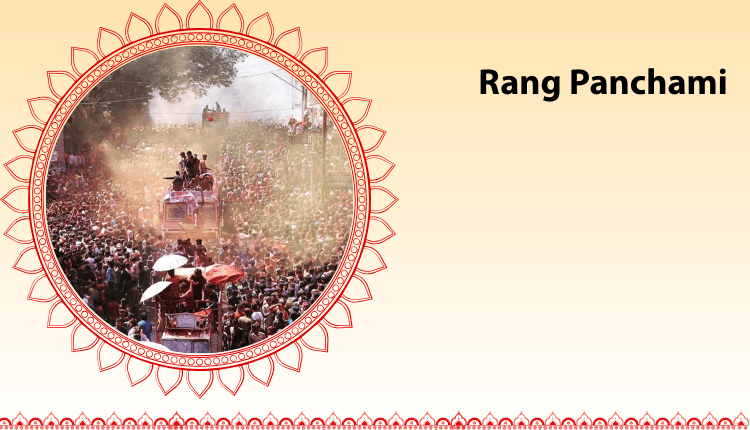
Rang Panchami is celebrated on the fifth day (Panchami) after Holika Dahan and the main Holi festival. While Holi focuses on the victory of good over evil, Rang Panchami emphasizes the joyous expression of colors and community celebration. According to traditional beliefs, playing with gulal on Rang Panchami helps purify the atmosphere and drive away negative energies. In many regions—especially in Indore and parts of Maharashtrathe festival is celebrated with grand processions, color showers, music, and dancing. Unlike the more ritual-focused Holika Dahan, Rang Panchami is primarily about festive enjoyment, social bonding, and spreading happiness. People visit friends and relatives, apply colors, and participate in community events. The festival beautifully extends the spirit of Holi, symbolizing joy, positivity, and the colorful celebration of life. Rang Panchami reflects India’s rich cultural diversity and the enduring love for festivals that bring people together in happiness and harmony.
Pujas Chosen Just for You
Conduct a Puja in your name and gotra and seek divine blessings for your family.
Rang Panchami: Meaning and Significance
Rang Panchami is a colorful and joyful Hindu festival celebrated mainly in the states of Maharashtra, Madhya Pradesh, and some parts of Gujarat. It is celebrated five days after the festival of Holi, on the fifth day (Panchami) of the Krishna Paksha in the Hindu month of Chaitra. The word “Rang” means color, and “Panchami” means the fifth day. So, Rang Panchami simply means “the fifth day of colors.” This festival continues the joy of Holi and spreads happiness, positivity, and unity among people.
Meaning of Rang Panchami
Rang Panchami is not just about playing with colors. It has a deeper spiritual and cultural meaning. According to Hindu beliefs, colors have the power to remove negative energy from our lives. On this day, people throw colored powder (gulal) into the air, believing that it purifies the environment and fills it with positive vibrations. The festival also symbolizes the victory of good over evil and the arrival of spring. It reminds people to let go of anger, sadness, and negativity and to fill their hearts with joy and kindness.
Connection with Holi
Rang Panchami is closely connected to Holi. While Holi is celebrated across India with great excitement, Rang Panchami is especially popular in central and western India. Holi begins with Holika Dahan, which symbolizes the burning of evil. The next day, people play with colors. However, in some regions, the main color celebration happens on Rang Panchami instead of the day after Holi. In cities like Indore and parts of Maharashtra, Rang Panchami is celebrated with grand processions and cultural events. The celebrations are lively and attract large crowds.
How Rang Panchami is Celebrated
1. Playing with Colors
On Rang Panchami, people gather in open areas and apply gulal to each other. Unlike Holi, water is used less, and dry colors are more common. The air becomes filled with bright pink, red, yellow, and green colors.
2. Processions and Parades
In some cities, especially Indore in Madhya Pradesh, grand processions are organized. People dance on the streets, music is played loudly, and colored powder is thrown in the air. It creates a beautiful and festive atmosphere.
3. Temple Celebrations
Many devotees visit temples to offer prayers. They apply colors to the idols of gods and goddesses as a mark of respect and devotion. Some temples organize special pujas and bhajans on this day.
4. Family Gatherings
Families and friends come together to celebrate. They share sweets, snacks, and festive meals. The day is filled with laughter, music, and joy.
Spiritual Significance
Rang Panchami has strong spiritual importance. It is believed that playing with colors on this day helps in removing “Rajas” and “Tamas” (negative energies) from the body and mind. The bright colors represent happiness, purity, and positive energy. Throwing gulal into the air is seen as a way to purify the surroundings. People believe that the colors reach the sky and create a protective layer of positivity around them. The festival also teaches forgiveness and unity. Just like colors mix together, people from different backgrounds come together and celebrate without any differences.
Traditional Food
Festivals in India are always connected with delicious food. On Rang Panchami, people prepare and enjoy special sweets and snacks such as:
- Gujiya
- Puran Poli
- Malpua
- Dahi Vada
- Thandai These traditional dishes add more sweetness to the celebration.
Cultural Importance
Rang Panchami is not only a religious festival but also a cultural celebration. It strengthens social bonds and promotes harmony in society. Neighbors, friends, and relatives meet and celebrate together. The festival is especially important in rural areas, where communities come together in large groups. Music, dance, and laughter fill the air. In some places, folk dances and cultural programs are also organized. The celebration reflects India’s rich culture and traditions, where festivals are not only about rituals but also about togetherness and happiness.
Importance of Colors
Colors play an important role in Rang Panchami. Each color has a special meaning: Red symbolizes love and energy.
- Yellow represents happiness and knowledge.
- Green stands for growth and harmony.
- Blue shows peace and calmness. By applying these colors, people express their good wishes for each other.
Conclusion
Rang Panchami is a beautiful festival that celebrates colors, joy, and positivity. Celebrated five days after Holi, it holds special importance in states like Maharashtra and Madhya Pradesh. The festival is a reminder to remove negativity from our lives and welcome happiness with open hearts. Through colors, music, prayers, and delicious food, Rang Panchami spreads the message of love, unity, and spiritual growth. It teaches us to forgive, forget past problems, and move forward with positivity.

Did you like this article?
Recommended
Read more
Holi Puja Vidhi Step-by-Step Guide
Perform Holi Puja 2026 correctly with this step-by-step guide. Know Holika Dahan muhurat, पूजा सामग्री, rituals, and the spiritual significance of Holi worship.

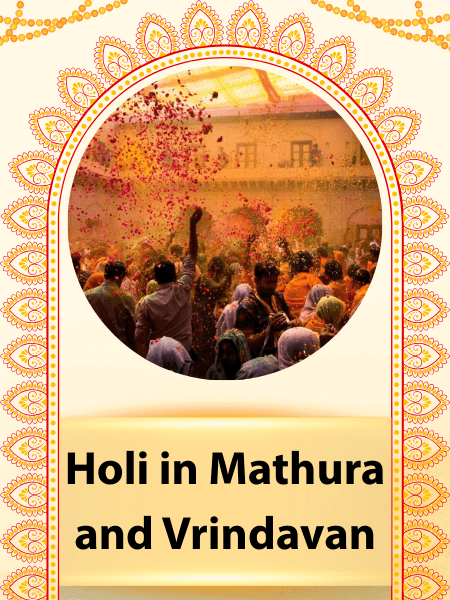
Holi in Mathura and Vrindavan
Experience Holi 2026 in Mathura and Vrindavan. Discover famous celebrations like Lathmar Holi, Phoolon ki Holi, temple rituals, and travel tips for the festival.
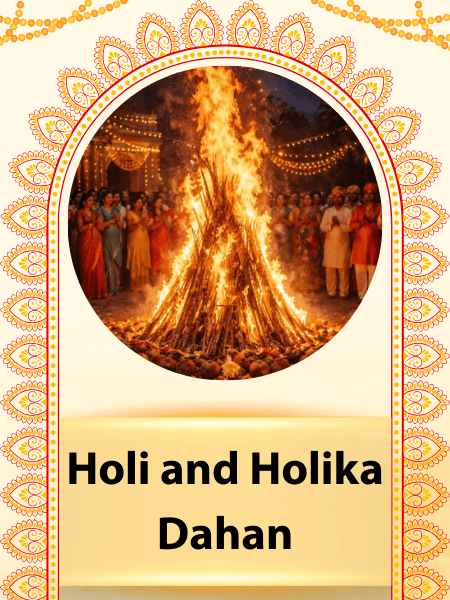
Difference Between Holi and Holika Dahan
Confused between Holi and Holika Dahan? Learn the key differences in date, rituals, meaning, and cultural importance of these two major Hindu festivals.