 Download
 Share
ShareHolika Dahan 2026
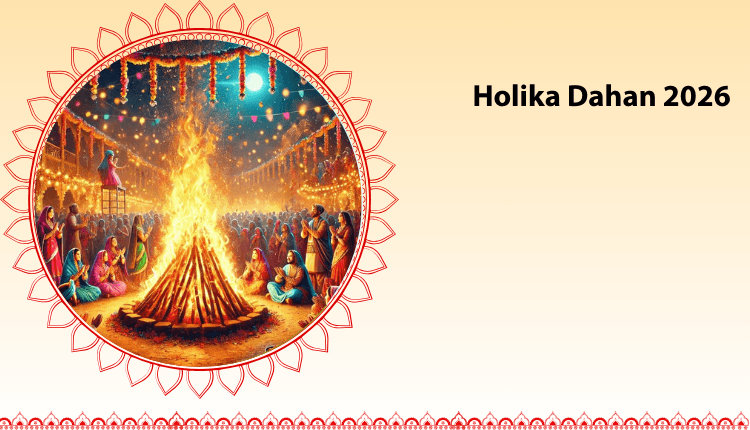
Preparing for Holika Dahan 2026? This sacred ritual, observed a day before Holi, marks the symbolic victory of good over evil. In 2026, Holika Dahan will be celebrated on the evening of the full moon (Purnima) in the month of Phalguna. Devotees gather around the sacred bonfire during the auspicious muhurat to perform puja and pray for protection, prosperity, and the removal of negativity. This guide provides the confirmed date, timings, rituals, and the deeper spiritual significance associated with Holika Dahan.
About Holika Dahan
Holika Dahan is an important Hindu ritual performed on the night before Holi. It commemorates the legendary story of Prahlad and Holika, symbolizing the triumph of devotion and righteousness over evil forces. According to tradition, the bonfire represents the burning of Holika and the destruction of negativity. The ritual is performed during an auspicious time after sunset when Purnima Tithi prevails. Devotees circle the fire (parikrama), offering items such as coconut, wheat ears, moong, til (sesame), and cow dung cakes into the flames while chanting prayers. These offerings symbolize purification, gratitude, and protection from evil influences. Holika Dahan also marks the seasonal transition from winter to spring, signifying renewal and new beginnings. In many regions, newly married couples and families with newborns perform special prayers seeking blessings for happiness and prosperity. The festival beautifully blends mythology, seasonal change, and social harmony, making Holika Dahan not just a ritual but a powerful reminder that truth and faith ultimately prevail over evil.
Pujas Chosen Just for You
Conduct a Puja in your name and gotra and seek divine blessings for your family.



Holika Dahan 2026: Date, Timings and Rituals
Holika Dahan is one of the most important rituals associated with the festival of Holi. Celebrated one day before Rangwali Holi, this sacred bonfire symbolizes the victory of good over evil and the burning away of negativity from life. People across India gather in the evening to perform puja, light the holy fire, and pray for happiness and protection. If you are planning to observe Holika Dahan in 2026, here is a complete and simple guide covering the date, timings (muhurat), significance, and rituals.
Holika Dahan 2026 Date and Time
In 2026, the important Holi-related dates are: Holika Dahan: Monday, March 2, 2026 Holi (Rangwali Holi): Wednesday, March 4, 2026
Purnima Tithi Timing
Holika Dahan is performed on the full moon (Purnima) of the Hindu month of Phalguna. Purnima Tithi Begins: 05:55 PM on March 2, 2026 Purnima Tithi Ends: 05:07 PM on March 3, 2026 Holika Dahan should be performed on the evening of March 3, 2026, after sunset while the Purnima Tithi is still in effect. Note: Exact muhurat may slightly vary by city, so many families check their local Panchang for precise timing.
What is Holika Dahan?
Holika Dahan is a traditional Hindu ritual in which a bonfire is lit to mark the destruction of evil forces. The word: Holika refers to the demoness from Hindu mythology Dahan means burning Together, Holika Dahan means the burning of Holika, symbolizing the triumph of truth and devotion. This ritual takes place on the night before people play with colors on Holi.
The Mythological Story Behind Holika Dahan
The origin of Holika Dahan comes from a famous legend in Hindu mythology. Long ago, there was a powerful demon king named Hiranyakashipu. He had received a special blessing that made him almost invincible. Because of this, he became proud and demanded that everyone worship him. However, his son Prahlad was a devoted follower of Lord Vishnu. Despite many warnings and punishments, Prahlad refused to stop worshipping Vishnu. Hiranyakashipu became furious and tried several ways to kill Prahlad, but each time the child was miraculously saved. Finally, the king asked his sister Holika for help. Holika had a magical boon that made her immune to fire. She sat in a blazing fire with Prahlad on her lap, expecting him to burn. But due to Prahlad’s strong faith, divine protection saved him. Holika’s power failed, and she burned in the fire while Prahlad remained unharmed. This event symbolizes that evil intentions are always destroyed, and true devotion is always protected.
Spiritual Significance of Holika Dahan
Holika Dahan is not just a ritual; it carries deep spiritual meaning.
1. Victory of Good Over Evil
The burning of Holika reminds us that truth and righteousness always win.
2. Removal of Negative Energy
The bonfire symbolizes burning away:
- jealousy
- anger
- ego
- hatred People pray for a fresh and positive start.
3. Protection from Evil Forces
Many families believe that performing Holika Dahan rituals protects the household from negative influences.
4. Seasonal Change
Holika Dahan also marks the end of winter and the arrival of the spring season.
Holika Dahan Rituals (Step-by-Step)
Here is a simple step-by-step guide to performing Holika Dahan rituals at home or in the community.
Step 1: Preparation of the Bonfire
A few days before Holika Dahan, people collect wood, dried leaves, and twigs. These are arranged into a pile in an open area. In many places, an effigy of Holika is also placed on the pyre.
Step 2: Holika Dahan Puja
On the evening of March 2, 2026: Clean the area around the bonfire. Prepare a puja thali with:
- roli (kumkum)
- rice (akshat)
- flowers
- coconut
- sweets
- water Devotees offer prayers seeking protection and prosperity.
Step 3: Lighting the Fire
After sunset and during the proper muhurat:
- The eldest family or community member usually lights the fire.
- People chant prayers and religious songs.
- The fire represents the burning of Holika and evil forces.
Step 4: Parikrama (Circumambulation)
- Devotees walk around the fire (usually 3 or 7 times).
- They pray for health, wealth, and happiness.
- Some people offer grains, coconuts, or new crops into the fire.
Step 5: Taking Sacred Ash
After the fire cools:
- Many people collect a small amount of ash.
- It is considered sacred and is sometimes applied on the forehead for protection.
Do’s and Don’ts for Holika Dahan
Do’s
- Perform the ritual during the correct muhurat.
- Use eco-friendly materials for the bonfire.
- Maintain safety around the fire.
- Offer prayers with devotion and positivity.
Don’ts
- Avoid plastic or harmful materials in the fire.
- Do not perform the ritual before sunset.
- Avoid wasting wood unnecessarily.
- Do not create safety hazards in crowded areas.
Holika Dahan and Holi 2026: Quick Facts
Holika Dahan: Tuesday, March 2, 2026 Holi: Wednesday, March 4, 2026 Purnima Begins: 05:55 PM on March 2, 2026 Purnima Ends: 05:07 PM on March 3, 2026 Best time for Holika Dahan: Evening of March 3, after sunset
Conclusion
Holika Dahan 2026 will be observed on Monday, March 2, marking an important spiritual moment before the colorful celebrations of Holi on March 4. The sacred bonfire reminds us of the eternal truth goodness, faith, and devotion always defeat evil. Beyond rituals, Holika Dahan teaches us to burn our inner negativity and welcome positivity into our lives. As you celebrate this auspicious occasion, perform the rituals with devotion, follow eco-friendly practices, and share the joy with your loved ones. May Holika Dahan 2026 remove all negativity from your life and fill your home with peace, prosperity, and happiness.

Did you like this article?
Recommended
Read more
Holi Puja Vidhi Step-by-Step Guide
Perform Holi Puja 2026 correctly with this step-by-step guide. Know Holika Dahan muhurat, पूजा सामग्री, rituals, and the spiritual significance of Holi worship.

Holi in Mathura and Vrindavan
Experience Holi 2026 in Mathura and Vrindavan. Discover famous celebrations like Lathmar Holi, Phoolon ki Holi, temple rituals, and travel tips for the festival.
Difference Between Holi and Holika Dahan
Confused between Holi and Holika Dahan? Learn the key differences in date, rituals, meaning, and cultural importance of these two major Hindu festivals.