 Download
 Share
ShareHoli and Prahlada Story Explained
The festival of Holi is not only about colors and celebration—it is deeply rooted in an ancient mythological story that symbolizes faith and righteousness. The story of Prahlada, Hiranyakashipu, and Holika explains why Holika Dahan is performed before Holi. This powerful legend teaches the timeless message that devotion and truth always triumph over ego and evil. Understanding the Prahlada story helps us appreciate the spiritual depth and cultural meaning behind the joyous festival of Holi.
About the Prahlada Story and Holi
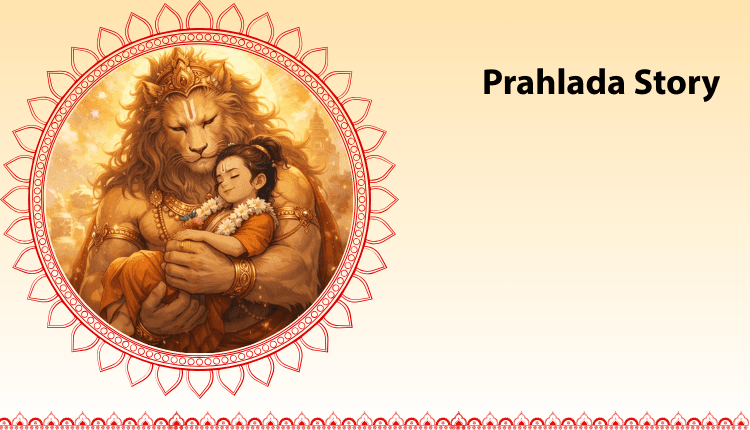
According to Hindu mythology, Prahlada was the son of the demon king Hiranyakashipu. Despite being born into a powerful but arrogant family, Prahlada was a devoted follower of Lord Vishnu. His father, who wanted everyone to worship him as a god, was angered by Prahlada’s unwavering devotion. Hiranyakashipu tried multiple ways to harm his son, but Prahlada’s faith protected him each time. Finally, he sought the help of his sister Holika, who had a magical boon that made her immune to fire. The plan was for Holika to sit in a blazing fire with Prahlada on her lap, believing he would burn while she remained safe. However, due to Prahlada’s pure devotion and divine protection, Holika was burned in the fire while Prahlada survived unharmed. This event symbolizes the destruction of evil and the protection of righteousness. Holika Dahan, celebrated on the eve of Holi, commemorates this victory of good over evil. The ritual bonfire represents the burning of negativity, ego, and wrongdoing, while Holi the next day celebrates joy, renewal, and the triumph of faith. The story of Prahlada beautifully highlights the power of devotion, courage, and truth—making Holi not just a festival of colors but a celebration of spiritual victory and moral values.
Pujas Chosen Just for You
Conduct a Puja in your name and gotra and seek divine blessings for your family.
Holi and Prahlada Story Explained
Holi is one of the most joyful festivals in India, known as the festival of colors. But behind the fun of colors and celebrations, there is a powerful story of faith, courage, and the victory of good over evil. This story is about the young devotee Prahlada and the demon king Hiranyakashipu. Understanding the story of Prahlada helps us know the real meaning of Holi and why the ritual of Holika Dahan (bonfire) is performed every year.
Who Was Prahlada?
Prahlada was the son of the powerful demon king Hiranyakashipu. Even though he was born in a demon family, Prahlada was a great devotee of Vishnu from a very young age. Prahlada was kind, calm, and deeply devoted to God. He spent most of his time praying and chanting the name of Lord Vishnu. This made his father very angry.
Why Hiranyakashipu Hated Vishnu
Hiranyakashipu was a proud and powerful king. He had received a special boon that made him almost impossible to kill. Because of this, he became arrogant and wanted everyone to worship him as God. However, Prahlada refused to worship his father. He continued to pray to Lord Vishnu. This made Hiranyakashipu furious. The king tried many times to change Prahlada’s mind, but the young boy’s faith never shook.
Attempts to Kill Prahlada
Hiranyakashipu decided to punish Prahlada for his devotion. According to the legend, he tried many ways to kill his own son.
Some famous attempts include:
- Throwing Prahlada from a high mountain
- Poisoning his food
- Sending elephants to crush him
- Making him sit among snakes But every time, Lord Vishnu protected Prahlada. The child remained safe because of his strong faith. This part of the story teaches us that true devotion and goodness are always protected.
Role of Holika
Hiranyakashipu had a sister named Holika. She had a magical shawl (or boon) that made her immune to fire. The king made a cruel plan. He asked Holika to sit in a burning fire while holding Prahlada in her lap. The plan was simple:
- Holika would survive the fire
- Prahlada would burn Holika sat in the fire with Prahlada. But something unexpected happened.
Miracle in the Fire
Because Prahlada was a true devotee of Lord Vishnu, he kept chanting God’s name even while sitting in the fire. According to the legend:
- The magical protection left Holika
- Prahlada remained safe
- Holika was burned to ashes This moment showed that evil intentions always fail, and pure faith always wins. This is the reason why people light the Holika Dahan bonfire on the night before Holi.
The End of Hiranyakashipu
Even after Holika’s death, Hiranyakashipu did not change. He angrily asked Prahlada, “Where is your Vishnu?” Prahlada calmly replied, “God is everywhere.” In rage, Hiranyakashipu hit a pillar in his palace. At that moment, Lord Vishnu appeared in the powerful form of Narasimha — half man and half lion. Narasimha killed Hiranyakashipu in a special way that respected the king’s boon. This marked the final victory of good over evil.
Why Holika Dahan Is Celebrated
The burning of Holika is remembered through the ritual of Holika Dahan. What it symbolizes:
- Victory of good over evil
- Power of true devotion
- Destruction of arrogance
- Protection of the innocent On the night before Holi, people gather around a bonfire, pray, and celebrate the burning of negativity.
Connection Between Holi and the Story
The next day after Holika Dahan, people celebrate Holi by playing with colors. Symbolic meaning:
- Fire burns evil (Holika Dahan)
- Colors spread joy and new beginnings (Holi) Together, they represent the full cycle of removing negativity and welcoming happiness.
Moral Lessons from Prahlada’s Story
The story of Prahlada teaches many important life lessons:
- Always stand for truth
- Faith and goodness are powerful
- Evil and arrogance never win
- God protects sincere devotees
- Courage is more important than fear These values make the festival of Holi meaningful beyond just colors.
Conclusion
The story of Prahlada is the heart of Holi celebrations. It reminds us that no matter how powerful evil may seem, truth, faith, and goodness always win in the end. The burning of Holika teaches us to remove negativity from our lives, and the colorful celebration of Holi encourages us to spread happiness and love. So, when we celebrate Holi each year, we are not just playing with colors—we are remembering a timeless story of courage, devotion, and victory of good over evil. Happy Holi!

Did you like this article?
Recommended
Read more
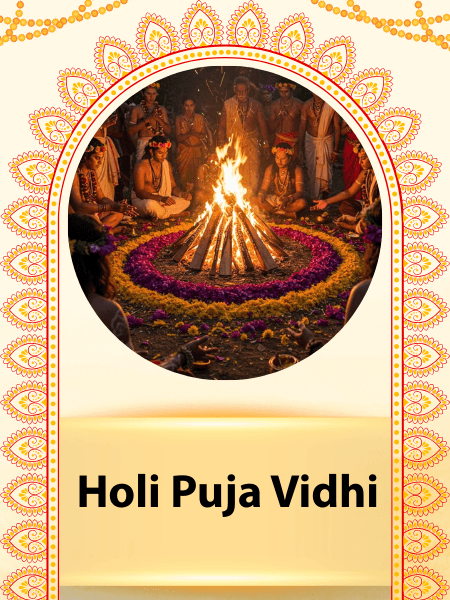
Holi Puja Vidhi Step-by-Step Guide
Perform Holi Puja 2026 correctly with this step-by-step guide. Know Holika Dahan muhurat, पूजा सामग्री, rituals, and the spiritual significance of Holi worship.

Holi in Mathura and Vrindavan
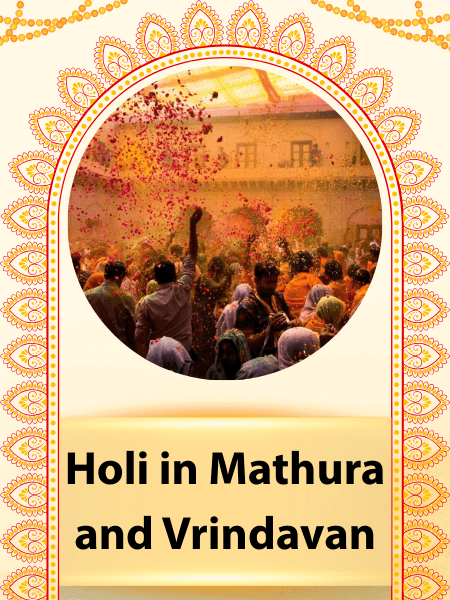
Experience Holi 2026 in Mathura and Vrindavan. Discover famous celebrations like Lathmar Holi, Phoolon ki Holi, temple rituals, and travel tips for the festival.
Difference Between Holi and Holika Dahan
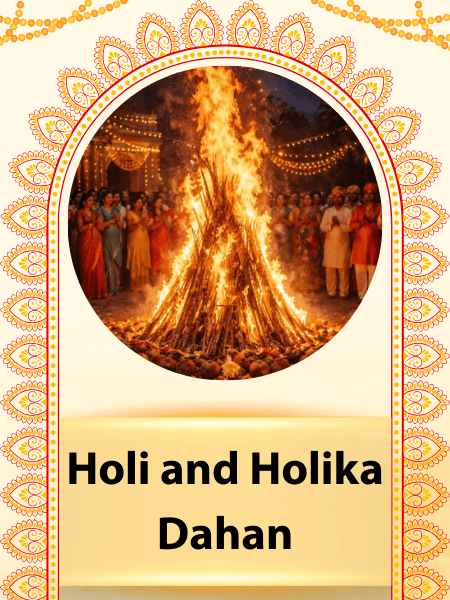
Confused between Holi and Holika Dahan? Learn the key differences in date, rituals, meaning, and cultural importance of these two major Hindu festivals.