 Download
 Share
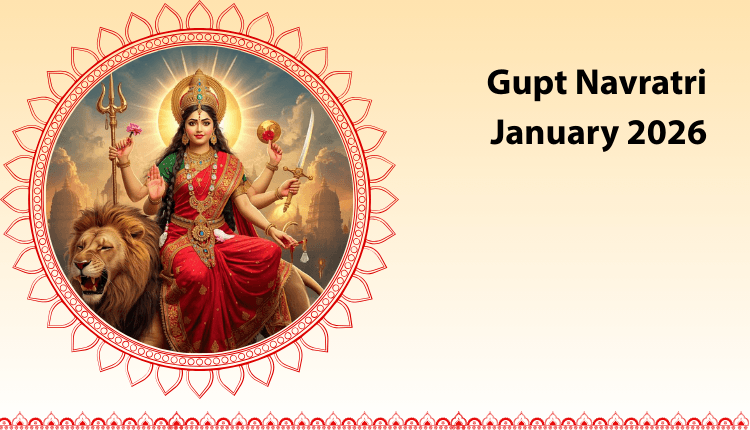
ShareGupt Navratri January 2026
Waiting for Gupt Navratri January 2026? This sacred and lesser-known Navratri is a powerful spiritual period dedicated to Goddess Shakti. Observed mainly by spiritual seekers, sadhaks, and devoted worshippers, Gupt Navratri is known for deep meditation, mantra jaap, and inner transformation. In this article, you will learn about the significance of Gupt Navratri, simple puja vidhi, vrat rules, katha, and the hidden spiritual benefits that make this Navratri truly special.
About Gupt Navratri
Gupt Navratri is a highly spiritual festival observed twice a year, mainly during the Magh month (January–February) and Ashadha month (June–July). The word “Gupt” means hidden or secret. Unlike Chaitra and Sharad Navratri, Gupt Navratri is not celebrated publicly with grand decorations. Instead, it focuses on silent worship, inner sadhana, and spiritual discipline. This Navratri is especially important for those who follow tantric paths, mantra sadhana, and meditation. Devotees worship the ten Mahavidyas or different forms of Goddess Durga to gain inner strength, protection, wisdom, and spiritual growth. Gupt Navratri helps remove fear, negativity, and mental disturbances while guiding devotees toward self-realization.
Pujas Chosen Just for You
Conduct a Puja in your name and gotra and seek divine blessings for your family.
What is Gupt Navratri
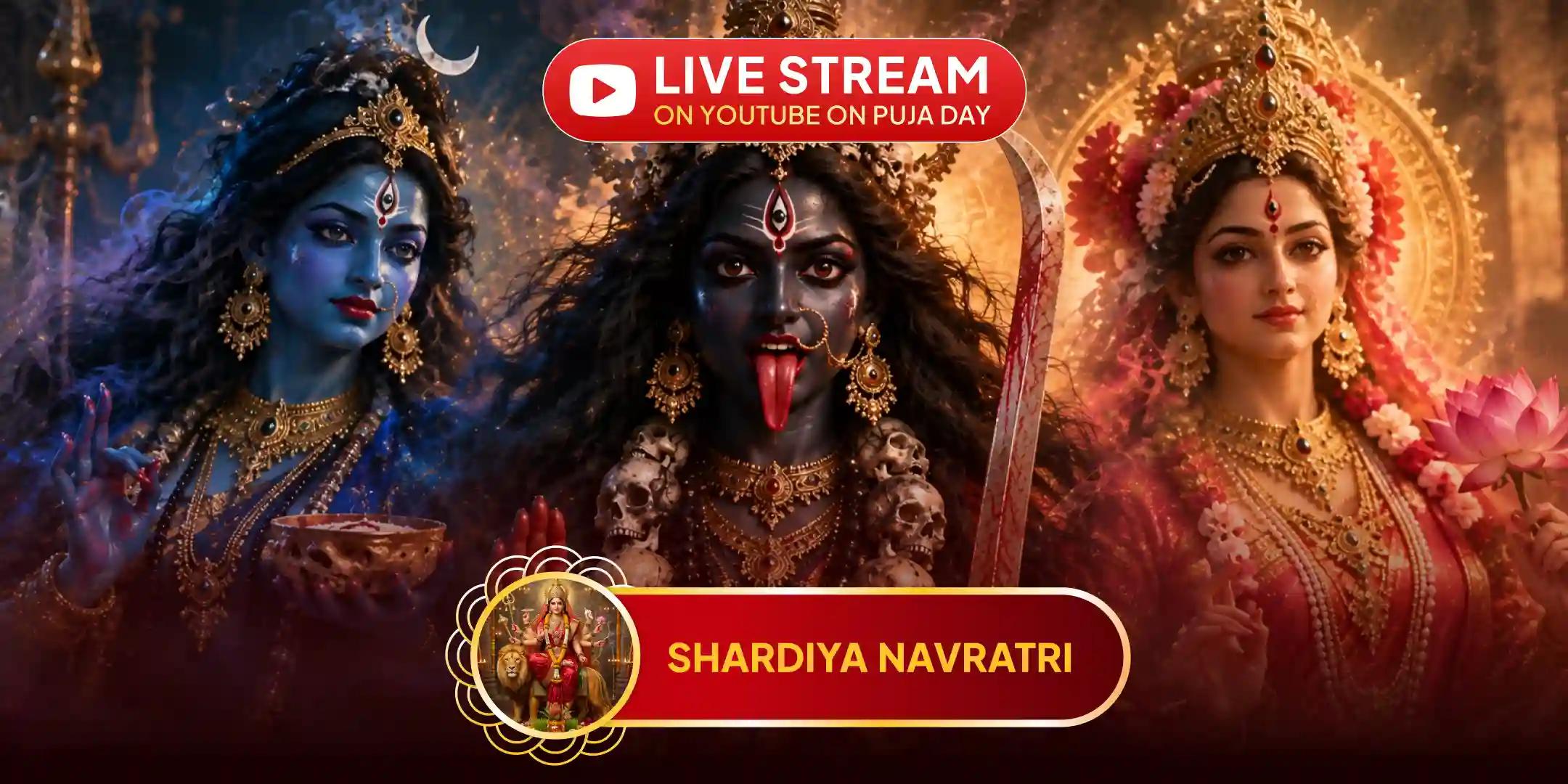
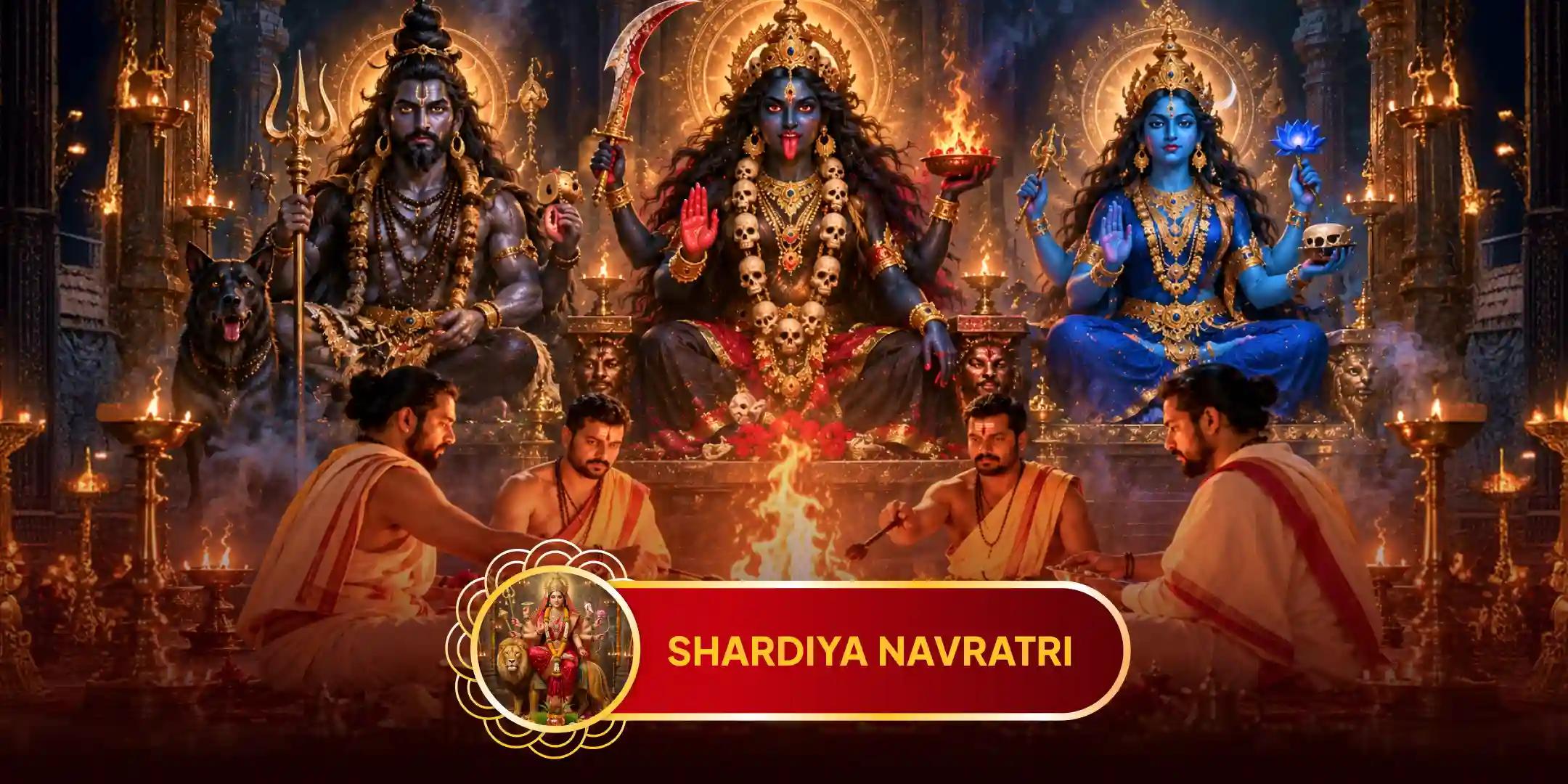
Gupt Navratri sometimes called Magh Navratri is a secret-energy Navratri dedicated to the worship of the Ten Mahavidyas — powerful spiritual forms of the Goddess Durga (Shakti). Unlike the widely celebrated Chaitra and Sharadiya Navratri, Gupt Navratri is mainly observed by sadhaks, yogis, tantriks, and devotees focused on inner transformation, siddhis (powers), spiritual progress, and deep devotion. “Gupt” means hidden or secret, because its rituals and significance are more subtle and often practiced with serious devotion at home or in temples in secluded settings.
Gupt Navratri January 2026 – Important Dates & Times
Start and End Dates Begin: 19 January 2026 (Magha Shukla Pratipada — the first tithi of the waxing moon phase)
Ends: 27 January 2026 (Navami)
Vrat Parana / Pulanti (breaking of fast): 28 January 2026
This means Gupt Navratri spans 9 sacred days and nights and usually begins in early morning of 19 Jan and continues through 27 Jan.
Ghatasthapana Muhurat (Best Time to Begin Puja) Kalash Sthapana: 7:14 AM – 10:46 AM (approx) on 19 January 2026
Kalash Abhijit Muhurat: 12:11 PM – 12:53 PM (optional but auspicious)
Ghatasthapana is when you install the sacred pot (kalash) to mark the beginning of Navratri worship.
Why is Gupt Navratri Special
Gupt Navratri is different from other Navratris because:
-
Focus on Ten Mahavidyas: Unlike regular Navratri where nine forms of Durga are worshipped, here ten powerful forms of the Goddess are worshipped.
-
Secret Energies: This Navratri emphasizes inner sadhana, mantra worship, meditation, and spiritual discipline.
-
Spiritual and Transformative: It is believed that dedicated worship during these nine days can give deep insight, spiritual strength, upliftment, and siddhis (spiritual accomplishments).
Daily Schedule & Goddess Worship (Day-wise)
Here is the same Navratri daily schedule converted into clear bullet points for easy reading and use:
Day 1 – 19 January 2026 (Pratipada) Kalash Sthapana Shailputri Puja
Day 2 – 20 January 2026 (Dwitiya) Brahmacharini Puja
Day 3 – 21 January 2026 (Tritiya) Chandraghanta Puja
Day 4 – 22 January 2026 (Chaturthi) Kushmanda Puja
Day 5 – 23 January 2026 (Panchami)
Skandamata Puja
Day 6 – 24 January 2026 (Shashthi) Katyayani Puja
Day 7 – 25 January 2026 (Saptami) Kalaratri Puja
Day 8 – 26 January 2026 (Ashtami) Mahagauri Puja
Day 9 – 27 January 2026 (Navami) Siddhidatri Puja Navratri Parana
Note: In some traditions, special mantras and additional rituals are performed on Navami for Goddess Siddhidatri, focusing on wish fulfilment, spiritual growth, and divine blessings.
What to Do Each Day – Rituals & Fasting
1. Ghatasthapana
Begin your Navratri by setting up the Kalash on 19 Jan in the auspicious muhurat.
Offer flowers, water, rice, and chant mantra for Goddess Durga.
2. Daily Puja
Light diyas and incense in the morning and evening.
Recite Durga Saptashati, Lalita Sahasranama, or mantra chants like:
“Om Aim Hreem Kleem Chamundaye Viche Namaha”
“Navdurga Stuti” etc.
Offer naivedya (prasad): fruits, sweets, and milk items.
3. Fasting
Devotees may choose to fast completely or take satvik food (no onion/garlic) during the nine days. Some observe full fast till evening after worship.
4. Sankalpa
Take a sacred vow (sankalpa) at start to stay spiritually focused. Offer prayers with devotion and humility.
5. Parana (Breaking Fast)
The ritual fast is usually broken on 28 January 2026 after Navami and concluding worship.
Meaning and Benefits of Fasting & Worship
Devotees believe that during Gupt Navratri:
-
Divine energies are heightened.
-
Mantras become more powerful.
-
Inner willpower and spiritual intuition increase.
-
Siddhis (spiritual abilities) and blessings for life goals are possible.
Things to Avoid During Navratri
Common practices during Gupt Navratri include avoiding:
- Onion & garlic
- Alcohol
- Non-vegetarian food
- Negative or loud activities
- Arguments or unnecessary weariness These help maintain purity and spiritual focus.
Preparing for Gupt Navratri
To prepare:
- Clean your home and puja place
- Gather flowers, incense, diya, coconut, fruits
- Get a clean cloth for the idol or image
- Keep holy books or mantra books ready
- Plan your fasting and prayer schedule Starting preparation a day or two before increases devotion and readiness.
Summary — Gupt Navratri January 2026
-
19 January 2026: Start (Shukla Pratipada) with Kalash Sthapana.
-
19–27 January: Nine days of worship of Devi forms.
-
28 January: Breaking the fast (Parana) & concluding rituals.
-
Purpose: Inner spiritual growth, discipline, mantra sadhana, and attainment of blessings.

Did you like this article?
Recommended
Read more
Holi Puja Vidhi Step-by-Step Guide
Perform Holi Puja 2026 correctly with this step-by-step guide. Know Holika Dahan muhurat, पूजा सामग्री, rituals, and the spiritual significance of Holi worship.

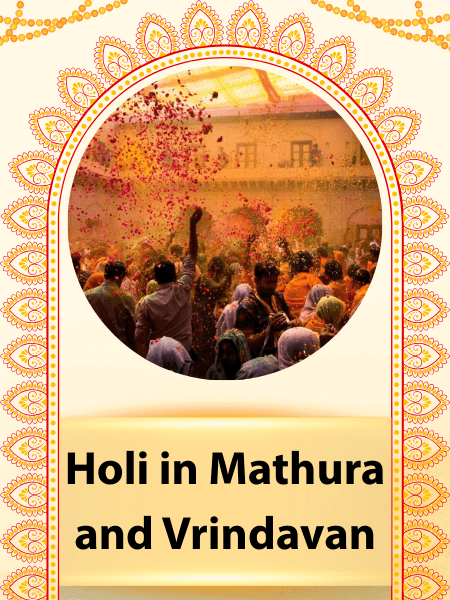
Holi in Mathura and Vrindavan
Experience Holi 2026 in Mathura and Vrindavan. Discover famous celebrations like Lathmar Holi, Phoolon ki Holi, temple rituals, and travel tips for the festival.
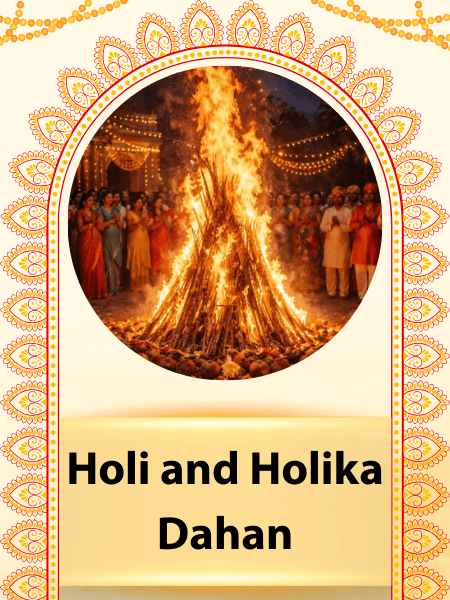
Difference Between Holi and Holika Dahan
Confused between Holi and Holika Dahan? Learn the key differences in date, rituals, meaning, and cultural importance of these two major Hindu festivals.