 Download
 Share
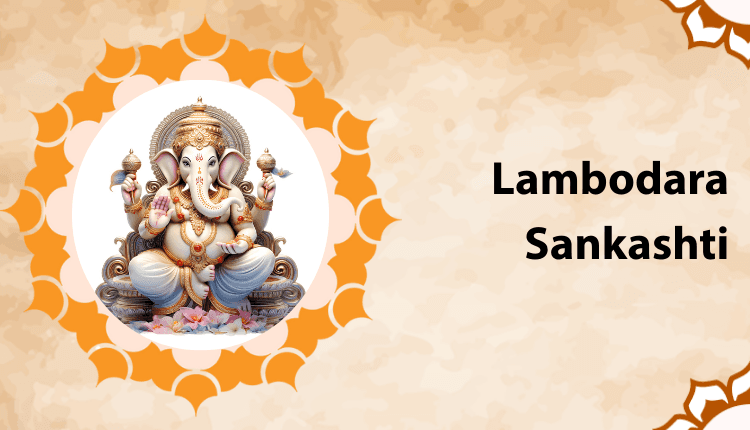
ShareLambodara Sankashti Chaturthi 2026
Waiting for Lambodara Sankashti Chaturthi 2026? Discover the exact date, moonrise timing, the divine vrat katha, step-by-step puja vidhi, and all the hidden spiritual benefits every devotee must know before performing this sacred Ganesha vrat.
About Lambodara Sankashti Chaturthi
Lambodara Sankashti Chaturthi is one of the most sacred monthly fasts dedicated to Lord Ganesha, worshipped in his divine form Lambodara, the remover of all obstacles and the giver of wisdom, peace, and prosperity. This vrat is observed on the Krishna Paksha Chaturthi every month, and in 2026, the Lambodara Sankashti Chaturthi holds special significance for devotees seeking relief from struggles and mental burdens. On this holy day, devotees observe a strict fast, offer prayers to Lord Ganesha, chant mantras, and perform the traditional Chandradarshan (moon sighting) in the evening. The vrat katha of Lambodara Sankashti inspires faith, devotion, and patience, reminding devotees that sincere prayers can remove even the biggest obstacles. This sacred vrat is known to bring mental clarity, good fortune, family harmony, and spiritual strength. Observing Lambodara Sankashti Chaturthi helps devotees feel more protected, balanced, and connected to divine energy, making it a powerful spiritual practice that supports well-being and inner growth.
Pujas Chosen Just for You
Conduct a Puja in your name and gotra and seek divine blessings for your family.
Lambodara Sankashti Chaturthi 2026: Date, Significance, Puja Vidhi, Vrat Katha, Benefits & Complete Guide
Lambodara Sankashti Chaturthi is an important and spiritually uplifting fast dedicated to Lord Ganesha, the remover of obstacles and the lord of wisdom, clarity, and prosperity. Each Sankashti Chaturthi has a special name based on the form (avatar) of Lord Ganesha being worshipped that month. For January 2026, the auspicious day is known as Lambodara Sankashti Chaturthi, where devotees worship Lord Ganesha in his Lambodara form—the one with a big belly, representing the universe and infinite knowledge.
Lambodara Sankashti Chaturthi 2026 Date & Timings
Date: Tuesday, January 6, 2026 Occasion: Lambodara Sankashti Chaturthi Moonrise for Chandrodaya Darshan: 08:54 PM Chaturthi Tithi Begins: 08:01 AM on January 6, 2026 Chaturthi Tithi Ends: 06:52 AM on January 7, 2026 Important Note: The fast is broken only after seeing the moon (Chandrama Darshan) and performing the Ganesh Moonrise Puja.
What is Lambodara Sankashti Chaturthi?
Sankashti Chaturthi appears every month during the Krishna Paksha (waning phase of the moon) on the fourth day (Chaturthi). It is one of the most powerful fasts dedicated to Lord Ganesha. The January 2026 Sankashti is named after the form Lambodara, symbolizing: Wisdom Expansion of energy The power to digest difficulties Universal nourishment
The word “Lambodara” means “the one with a large belly holding the cosmos inside.” By worshipping Lord Lambodara, devotees seek blessings to remove obstacles, reduce worries, improve clarity, and gain inner strength.
Religious Importance of Sankashti Chaturthi
Sankashti Chaturthi is considered a problem-solving vrat. The word Sankashti means “freedom from difficulties.” On this day, Lord Ganesha grants: Removal of obstacles Relief from suffering Success in work and studies Blessings for health and prosperity
Observing Sankashti on a Tuesday (Angarika Sankashti) is considered extremely auspicious. In 2026, Lambodara Sankashti falls on a Tuesday, making it more spiritually powerful.
Who Observes This Vrat?
Though everyone can observe this fast, it is most beneficial for:
- Students For memory, focus, success in exams, and clarity of mind.
- People facing obstacles Whether personal, professional, or emotional barriers.
- Married women For the wellbeing of husband and family.
- Devotees wanting peace Helps reduce stress, anxiety, and emotional issues.
- Those seeking prosperity Helps improve finances, business, and career stability.
- People suffering from health problems It is believed that Lord Lambodara protects devotees from illnesses and strengthens both mind and body.
Significance of Lambodara Form of Ganesha
The Lambodara form represents balance, wisdom, patience, and the ability to handle challenges peacefully. Symbolic Meaning of Lambodara: Big belly: Ability to hold all experiences—good and bad—without disturbance Trunk: Flexibility to face life Blessing hand: Protection from worries Modak: Joy, fulfillment, and sweet results of devotion Worshipping this form helps devotees digest negativity and develop inner stability.
Lambodara Sankashti Chaturthi 2026 Puja Vidhi Step-by-Step
Follow these simple steps to perform the puja at home.
Step 1: Morning Preparations Wake up early and take a bath. Clean the house and the puja space. Wear clean traditional clothes (preferably yellow or red). Keep your mind calm and peaceful.
Step 2: Sankalp (Vow) Sit in front of Lord Ganesha’s photo or idol and take a pledge: “I observe this Lambodara Sankashti Vrat for peace, health, success, and for the removal of obstacles. May Lord Ganesha bless my family and guide me toward right actions.”
Step 3: Puja Arrangement Prepare the puja thali with: Idol or picture of Lambodara Ganesha Flowers (red or yellow preferred) Durva grass (very important) Modak or laddoo Roli, rice, haldi Incense sticks A diya (ghee lamp) Fruits Water in a kalash
Step 4: Begin Worship Light the diya and incense Offer flowers, durva, modak, fruits, and water Apply tilak to the idol Chant Ganesha mantras Read the Sankashti Vrat Katha (Lambodara Katha) Offer aarti
Step 5: Day-Long Fasting There are three ways to fast:
- Nirjal Vrat (without water) – optional, very strict
- Phalahar Vrat (fruits, milk, water allowed)
- Partial Fast (one satvik meal after sunset but before moonrise) Avoid grains until moonrise.
Step 6: Evening Ritual & Moonrise Puja The moonrise time is 8:54 PM. Once the moon is visible: Light a diya Offer water, rice, and flowers to the moon Chant the moon mantra Pray to Lord Ganesha for fulfillment of wishes After this, perform the Ganesh Aarti again.
Step 7: Break the Fast (Parana) After seeing the moon and completing the puja: Eat simple satvik food Share prasad with family Offer food to the needy (highly recommended)
Rules & Guidelines of Sankashti Vrat
Do’s Maintain a clean and positive environment Speak politely and avoid arguments Engage in prayers and chanting Keep your mind focused and peaceful
Don’ts Avoid anger, lies, or harsh speech Do not consume onion, garlic, or tamasic food Avoid alcohol, smoking, and non-veg food Do not eat grains before moonrise
Allowed Foods You may consume: Fruits Coconut water Milk, curd, buttermilk Peanuts, dry fruits Sabudana khichdi Rock salt
Avoid These Foods Grains of any kind Rice, wheat, dal Onion and garlic Junk or oily foods Non-vegetarian food
Lambodara Sankashti Chaturthi Vrat Katha (Short & Simple Version)
Once, a poor Brahmin named Sumati lived with his family. They struggled with poverty, sadness, and continuous obstacles. No matter how much hard work they did, success never came. Their children often fell sick, and hardships surrounded them. One day, a wise sage visited their home. Seeing their suffering, he asked, “Why are you so troubled?” Sumati explained everything with tears. The sage said, “Worship Lord Ganesha on Sankashti Chaturthi. Observe the vrat with devotion. Every month, a different form of Ganesha is worshipped. In the month of Pausha, worship Lambodara. This will remove all obstacles.” Sumati and his wife decided to follow the vrat regularly. They worshipped Lord Lambodara, fasted, chanted mantras, and prayed with pure hearts. Slowly, everything in their life changed: Their health improved Wealth entered their home Peace and happiness returned Their children became wise and successful
They thanked the sage and continued to observe the vrat every month. The family lived a prosperous life blessed by Lambodara Ganesha. Moral: True devotion, pure heart, and consistent practice of Sankashti Vrat can remove the biggest obstacles and bring prosperity.
Benefits of Observing Lambodara Sankashti Chaturthi 2026
-
Removal of Obstacles Lord Ganesha clears problems in: Career Business Education Personal life
-
Success & Prosperity Improves finances, brings good opportunities, and supports growth.
-
Health & Healing Worshipping Lambodara helps devotees overcome: Chronic illness Mental stress Emotional struggles
-
Family Harmony Ensures peace at home, better relationships, and protection from negativity.
-
Education & Wisdom Students gain: Focus Memory power Clarity Success in exams
-
Karmic Cleansing The fast is believed to reduce past karmic burdens.
-
Inner Strength & Peace Ganesha worship brings calmness, strength, and balance.
Mantras for Lambodara Sankashti
- Ganesh Mool Mantra “Om Gan Ganapataye Namah”
- Lambodara Mantra “Om Lambodaraya Namah”
- Sankashti Ganesha Dhyana Mantra “Vakratunda Mahakaya Suryakoti Samaprabha Nirvighnam Kurume Deva Sarva-Karyeshu Sarvada”
- Peace Mantra “Om Shanti Shanti Shantih” Chant any mantra 108 times for maximum benefit.
After-Fasting Rituals
Once the fast is finished: Eat simple satvik food Donate food or clothes to the needy Feed cows or birds Offer modak or sweets to Lord Ganesha Thank Lord Lambodara for blessings
Doing charity on this day increases the power of the vrat.
Conclusion
Lambodara Sankashti Chaturthi 2026, falling on Tuesday, January 6, is one of the most auspicious days to worship Lord Ganesha. By observing this vrat with devotion, faith, and purity, devotees can remove obstacles, find peace, gain prosperity, and experience spiritual strength throughout life. Whether you observe it for family wellbeing, career success, health, or divine grace—this vrat offers powerful blessings and transforms the devotee’s life positively.
FAQs
Is Sankashti Chaturthi a monthly fast? Yes, it occurs once every month during the Krishna Paksha. When can I break the fast? After seeing the moon and performing the puja. Can children or elderly people do this vrat? Yes, they may keep a simple phalahar fast. Is it compulsory to avoid grains? Yes, grains are avoided until moonrise. Is Sankashti on Tuesday more auspicious? Yes, Tuesday Sankashti (Angarika) brings extra blessings.

Did you like this article?
Recommended
Read more
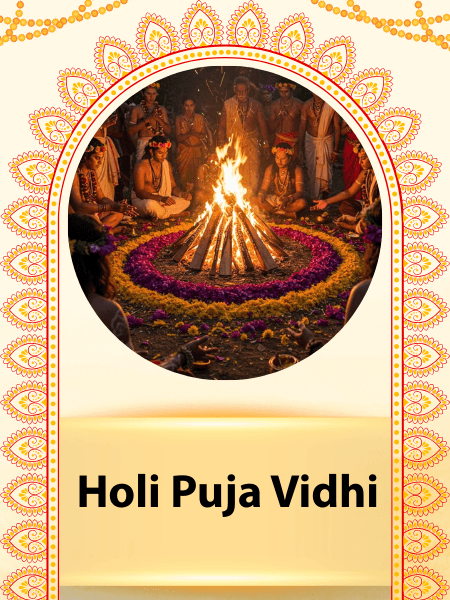
Holi Puja Vidhi Step-by-Step Guide
Perform Holi Puja 2026 correctly with this step-by-step guide. Know Holika Dahan muhurat, पूजा सामग्री, rituals, and the spiritual significance of Holi worship.

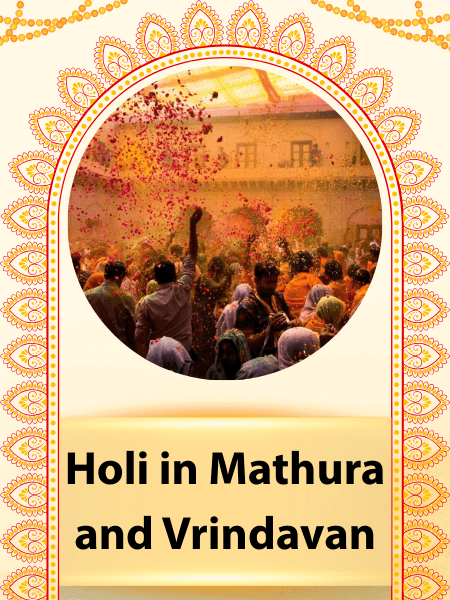
Holi in Mathura and Vrindavan
Experience Holi 2026 in Mathura and Vrindavan. Discover famous celebrations like Lathmar Holi, Phoolon ki Holi, temple rituals, and travel tips for the festival.
Difference Between Holi and Holika Dahan
Confused between Holi and Holika Dahan? Learn the key differences in date, rituals, meaning, and cultural importance of these two major Hindu festivals.