 Download
 Share
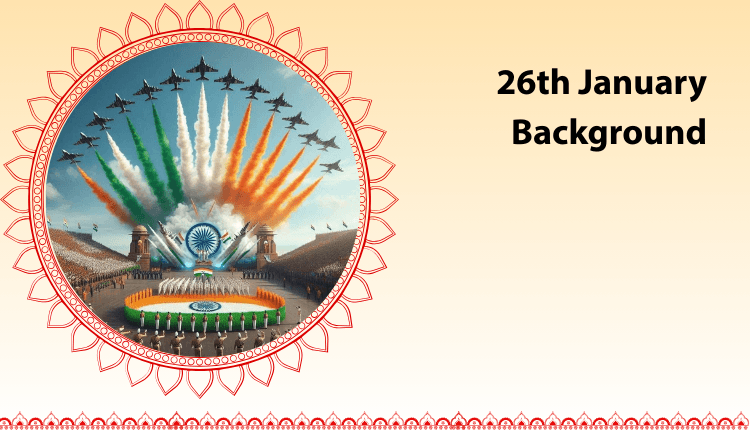
ShareBackground of 26th January – Republic Day of India
Why is 26th January celebrated as Republic Day of India? This historic day marks the adoption of the Indian Constitution and the birth of India as a sovereign, democratic republic. Observed with great pride and patriotism, 26th January symbolizes justice, liberty, equality, and unity for every Indian citizen.
About 26th January Republic Day
26th January holds a special place in the heart of every Indian. On this day in 1950, the Constitution of India came into force, replacing the Government of India Act (1935) and establishing India as a sovereign democratic republic. Although India gained independence on 15th August 1947, the country did not have its own permanent constitution until 26th January 1950. The date 26th January was not chosen randomly. It was on 26th January 1930 that the Indian National Congress declared Purna Swaraj (Complete Independence) during the Lahore Session. To honor this historic resolution and the sacrifices of freedom fighters, the same date was selected for the implementation of the Constitution. Dr. B. R. Ambedkar, the chief architect of the Indian Constitution, played a crucial role in drafting one of the world’s longest written constitutions. The Constitution guarantees fundamental rights, outlines duties, and ensures equality before the law for all citizens, regardless of caste, religion, gender, or background.
Pujas Chosen Just for You
Conduct a Puja in your name and gotra and seek divine blessings for your family.
Background of 26th January Republic Day of India
26th January is one of the most important national days of India. It is celebrated every year as Republic Day. On this day, India became a republic and adopted its own Constitution. This date holds great historical, political, and emotional importance for every Indian citizen. The background of 26th January is deeply connected with India’s long struggle for freedom, self-respect, and democracy. This article explains the background of 26th January in simple English, covering its history, importance, events leading to this day, and why it is celebrated with pride across the country.
Meaning of Republic Day
Before understanding the background of 26th January, it is important to know what Republic Day means. A republic is a country where the head of the state is elected, not a king or queen. In a republic, power belongs to the people, and the country is governed according to laws made by elected representatives. India became a republic on 26th January 1950, when the Constitution of India came into force. From that day, Indians started governing themselves according to their own rules and laws.
India Before Independence
For almost 200 years, India was ruled by the British. During British rule, Indians had very limited rights. Important decisions were made by British officials, not by Indian leaders. Indians were treated unfairly in their own country. Many Indians suffered because of heavy taxes, poverty, discrimination, and lack of freedom. Slowly, people started realizing that they must fight for freedom and self-rule.
The Freedom Struggle and the Demand for Self-Rule
India’s freedom struggle was long and full of sacrifices. Many great leaders played an important role, such as:
- Mahatma Gandhi
- Jawaharlal Nehru
- Subhas Chandra Bose
- Sardar Vallabhbhai Patel
- Dr. B. R. Ambedkar
- Bhagat Singh
- Rani Lakshmibai
Initially, the demand was for more rights and reforms. But later, Indians realized that complete freedom was the only solution.
The Lahore Session of 1929
The background of 26th January begins with an important event in Indian history. In December 1929, the Indian National Congress held its session in Lahore, under the leadership of Jawaharlal Nehru. During this session, a historic decision was made. The Congress declared “Purna Swaraj”, which means Complete Independence from British rule. It was announced that India would no longer accept British control in any form
26th January 1930 – First Independence Day
To give importance to the declaration of Purna Swaraj, the Congress decided to celebrate 26th January 1930 as Independence Day. On this day:
- The tricolour flag was hoisted across the country.
- People took a pledge to fight for freedom.
- Meetings and processions were held.
- Indians promised to follow non-violence and truth.
Although India did not get independence in 1930, 26th January became a symbol of the people’s desire for complete freedom. This is the main reason why this date was later chosen for Republic Day.
India Gets Independence – 15th August 1947
After years of struggle, sacrifices, and movements like:
- Non-Cooperation Movement
- Civil Disobedience Movement
- Quit India Movement
India finally got independence on 15th August 1947. However, independence also came with partition, which led to violence and loss of many lives. India became a free nation, but it still needed a strong system to govern itself.
Need for a Constitution
After independence, India needed a Constitution to:
- Decide how the country would be governed
- Define the rights and duties of citizens
- Set rules for the government
- Ensure equality and justice for all
Until then, many British laws were still being followed. A new constitution was necessary to reflect Indian values, culture, and democracy.
Formation of the Constituent Assembly
The Constituent Assembly of India was formed to draft the Constitution.
- Dr. Rajendra Prasad was the President of the Constituent Assembly.
- Dr. B. R. Ambedkar was the Chairman of the Drafting Committee.
The Assembly included members from different regions, religions, and communities. This ensured that the Constitution represented the entire nation.
Making of the Indian Constitution
The making of the Constitution was not easy.
- It took 2 years, 11 months, and 18 days to complete.
- The Assembly held 11 sessions.
- Every article was discussed in detail.
The Constitution was finally adopted on 26th November 1949. However, it was decided that the Constitution would come into effect on 26th January 1950, to honor the historic declaration of Purna Swaraj in 1930.
Why 26th January Was Chosen
The choice of 26th January was not random. It was deeply connected to India’s freedom struggle. Reasons for choosing 26th January:
- It marked the Purna Swaraj Declaration of 1930.
- It symbolized the long struggle for self-rule.
- It respected the sacrifices made by freedom fighters.
- It connected independence with true democracy.
Thus, 26th January became Republic Day, not just a celebration, but a reminder of India’s journey to self-governance.
India Becomes a Republic – 26th January 1950
On 26th January 1950:
- The Constitution of India came into force.
- India officially became a Republic.
- Dr. Rajendra Prasad became the first President of India.
The Governor-General system ended, and India became a fully democratic nation. This day marked the beginning of a new era in Indian history.
Importance of 26th January in Modern India
The background of 26th January teaches us many important lessons. It reminds us:
- Freedom is valuable and hard-earned.
- Democracy gives power to the people.
- Laws protect equality and justice.
- Unity is India’s greatest strength.
Republic Day encourages citizens to follow the Constitution and respect democratic values.
Republic Day Celebrations
Every year, 26th January is celebrated with great pride. Major celebrations include:
- Grand parade at Kartavya Path, New Delhi
- Display of India’s military strength
- Cultural programs from different states
- Hoisting of the national flag
- President’s address to the nation
Schools, colleges, and offices also celebrate the day with flag hoisting, speeches, and cultural activities.
Message of 26th January
The background of 26th January carries a powerful message for all Indians. It teaches us:
- To respect the Constitution
- To protect freedom and unity
- To perform our duties as responsible citizens
- To work for peace and development
Republic Day is not only about celebration, but also about reflection and responsibility
Conclusion
The background of 26th January is a story of courage, sacrifice, and determination. From the declaration of Purna Swaraj in 1930 to the adoption of the Constitution in 1950, this date represents India’s journey from slavery to sovereignty. 26th January reminds us that true freedom comes with responsibility. As citizens of India, it is our duty to uphold the values of justice, equality, liberty, and fraternity written in our Constitution. Republic Day is not just a national holiday; it is a celebration of India’s democratic soul and a tribute to the dreams of millions who fought for a free and united nation.

Did you like this article?
Recommended
Read more
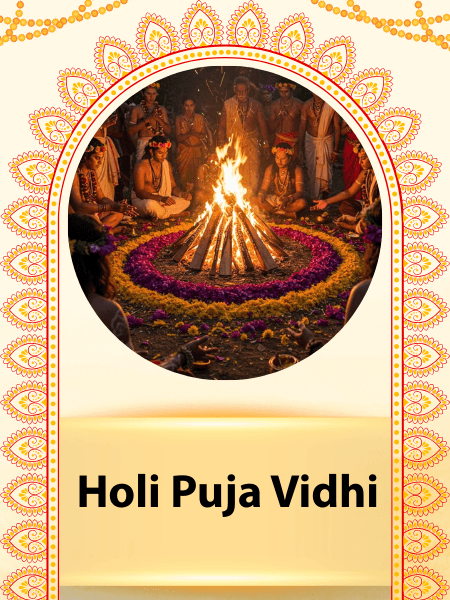
Holi Puja Vidhi Step-by-Step Guide
Perform Holi Puja 2026 correctly with this step-by-step guide. Know Holika Dahan muhurat, पूजा सामग्री, rituals, and the spiritual significance of Holi worship.

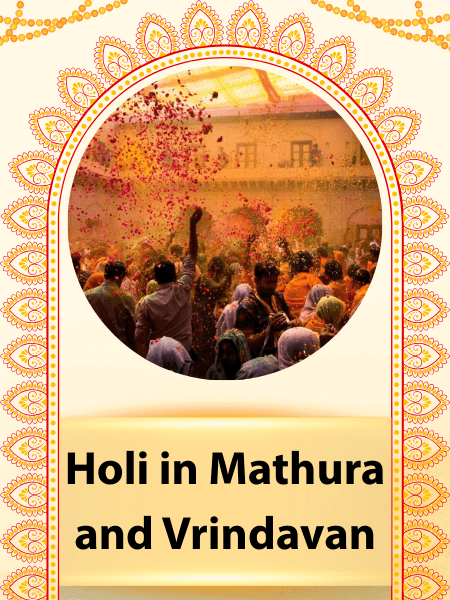
Holi in Mathura and Vrindavan
Experience Holi 2026 in Mathura and Vrindavan. Discover famous celebrations like Lathmar Holi, Phoolon ki Holi, temple rituals, and travel tips for the festival.
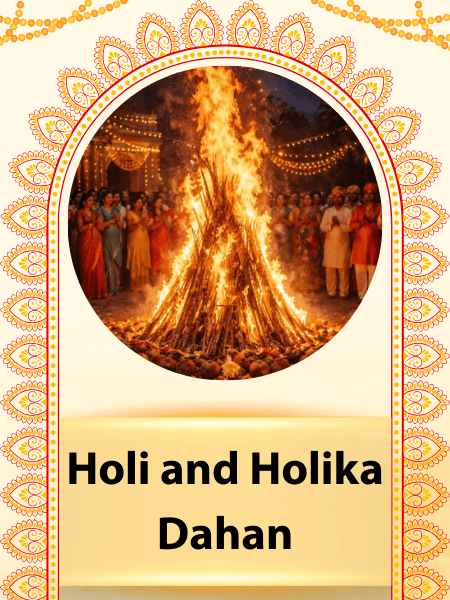
Difference Between Holi and Holika Dahan
Confused between Holi and Holika Dahan? Learn the key differences in date, rituals, meaning, and cultural importance of these two major Hindu festivals.