 Download
 Share
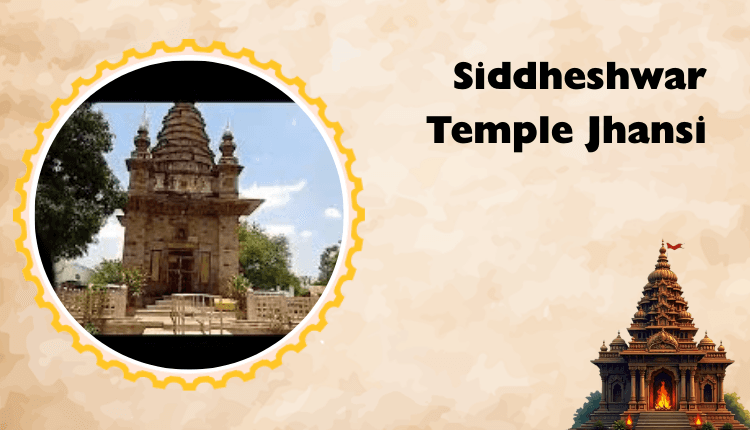
ShareSiddheshwar Temple Jhansi
Planning a visit to Siddheshwar Temple Jhansi? Discover its fascinating history, the sacred idol of Lord Shiva, temple timings, architecture, and the spiritual significance that makes this ancient shrine a must-visit for devotees and travelers.
About Siddheshwar Temple Jhansi
Siddheshwar Temple Jhansi is one of the most revered and ancient temples dedicated to Lord Shiva in the Bundelkhand region. This holy shrine is known for its deep spiritual energy, peaceful surroundings, and divine atmosphere that attracts hundreds of devotees every day. The temple’s architecture reflects traditional Bundelkhand craftsmanship, combining simplicity with spiritual elegance. It is believed that worshipping Lord Siddheshwar here fulfills wishes, removes obstacles, and brings harmony to family life. Many devotees visit during Shravan, Mahashivratri, and Mondays to seek blessings. The temple offers a serene environment where one can meditate, pray, and feel spiritually uplifted. Siddheshwar Temple is not just a religious place but also a symbol of faith, devotion, and the timeless cultural heritage of Jhansi.
Pujas Chosen Just for You
Conduct a Puja in your name and gotra and seek divine blessings for your family.



Siddheshwar Temple Jhansi
Siddheshwar Temple, located in the historic city of Jhansi in Uttar Pradesh, is one of the region’s prominent religious sites. Dedicated to Lord Shiva, the temple holds immense spiritual significance and is regarded as a major center of faith and devotion. Surrounded by natural beauty, the temple offers a peaceful and spiritually uplifting atmosphere. During Maha Shivaratri and the holy month of Sawan, thousands of devotees visit the temple to offer prayers and seek blessings.
History of Siddheshwar Temple, Jhansi
The history of Siddheshwar Temple dates back several centuries. It is believed that the temple was built by a renowned ruler of the Bundelkhand region who was a devoted follower of Lord Shiva. Historically, the temple stands as a symbol of Jhansi’s rich cultural and religious heritage. According to local legends, this location was considered a siddh sthal—a place where sages meditated for years and attained divine blessings from Lord Shiva. Thus, the temple was named “Siddheshwar,” meaning “The Lord of the Siddhis (spiritual powers).” Many devotees believe that Lord Shiva manifested here, which is why the temple became a major spiritual center. Even during the British era, Siddheshwar Temple played an important role in the religious lives of the locals, and its significance continues to this day.
Architecture of Siddheshwar Temple, Jhansi
The architectural style of Siddheshwar Temple reflects traditional Indian temple design, incorporating features unique to the Bundelkhand region. The tall shikhara (spire), intricate carvings, and stone walls adorned with mythological depictions add to its majestic beauty. The sanctum houses a Shiva Lingam, around which devotees perform parikrama (circumambulation). The temple complex also includes: A Yagyashala
A Sabha Bhawan (assembly hall)
Several smaller shrines
During the month of Sawan, the temple is beautifully decorated, and the illuminated structure appears especially divine at night. The complex also includes a small sacred pond considered holy by devotees.
Timings of Siddheshwar Temple, Jhansi
The temple remains open every day, allowing devotees to visit throughout the week. The morning and evening aarti create a deeply devotional atmosphere, drawing large numbers of worshippers. Temple Timings: Opening time: 5:00 AM
Closing time: 9:00 PM
Special celebrations and feasts are organized during important festivals such as Maha Shivaratri, Shravan Mondays, and Trayodashi.
Prasad at Siddheshwar Temple
Devotees are offered various types of prasad, including sweets, fruits, and panchamrit. On special occasions, traditional offerings such as churma, kheer, laddoos, and halwa are prepared. People offer prasad with devotion and take the blessed offerings back home to share with family. The prasad symbolizes purity, devotion, and divine blessings.
How to Reach Siddheshwar Temple, Jhansi
Reaching Siddheshwar Temple is quite convenient due to Jhansi’s well-connected transport network. You can travel to Jhansi by train, bus, or air, and then take a local auto, taxi, or rickshaw to the temple. By Train Jhansi Junction is a major station under the North Central Railway zone and is connected to nearly all major cities in India. Regular trains operate from Delhi, Mumbai, Kanpur, Bhopal, Lucknow, Varanasi, and many more. The temple is approximately 5–7 km from the station, easily accessible by auto or taxi. By Bus Jhansi lies on the Uttar Pradesh–Madhya Pradesh border, making it well connected through both states’ transport services. UPSRTC buses run regularly to Jhansi, and private/local buses are also available to take you to the temple from various parts of the city.
By Air The nearest airport is Gwalior Airport, located about 100 km from Jhansi. From Gwalior, you can hire a taxi or take a bus to reach Jhansi. Flights from Lucknow and Delhi are available to Gwalior, and Jhansi’s own airport is currently under development, expected to be operational in the near future.
Conclusion
Siddheshwar Temple Jhansi is not only a major religious site but also an integral part of the city’s cultural identity. The temple’s historical depth, peaceful surroundings, architectural beauty, and spiritual ambiance make it a truly special place. Whether you are a devotee of Lord Shiva or someone interested in history and architecture, Siddheshwar Temple deserves a place on your travel list.

Did you like this article?
Recommended
Read more

Famous Temples in Varanasi
Discover famous temples in Varanasi you must visit in 2026. Explore history, significance, temple timings, and spiritual importance of Varanasi’s top temples.


Famous Shiva Temples in Chennai
Discover famous Shiva temples in Chennai you must visit in 2026. Explore history, significance, temple timings, and spiritual importance of Chennai’s top Shiva temples.

The Spiritual Heart of Pune
Discover the spiritual heart of Pune in 2026. Explore famous temples, ashrams, and sacred places that bring peace, devotion, and divine energy