 Download
 Share
SharePrithvinath Temple Agra
Planning to visit the ancient and divine Prithvinath Temple in Agra? This sacred temple, dedicated to Lord Shiva, is one of the oldest and most spiritually powerful shrines in the city. Known for its historic roots, peaceful ambiance, and unique Shivling, Prithvinath Temple attracts devotees from across the region. Explore its history, architecture, darshan timings, legends, and everything you need to know before your visit.
About Prithvinath Temple
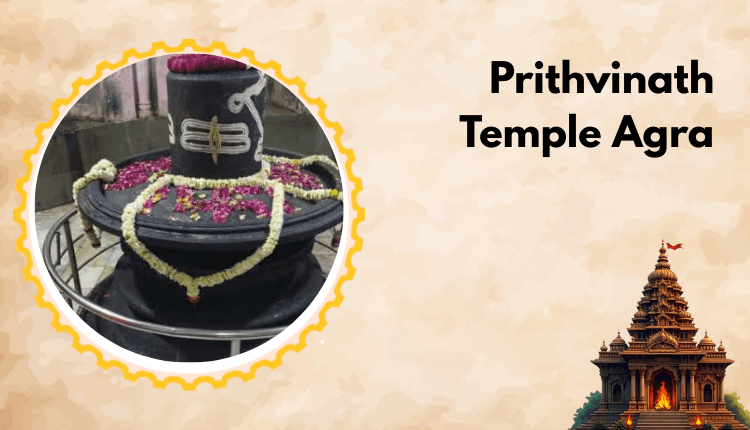
Prithvinath Temple is a revered Shiva temple located in Agra, known for its ancient charm and deep spiritual significance. Dedicated to Lord Prithvinath—an incarnation of Lord Shiva—the temple holds a special place in the hearts of devotees seeking blessings, peace, and protection. The temple is believed to be centuries old and is associated with various local legends that emphasize Shiva’s divine presence in the region. The beautiful architecture, calm atmosphere, and sacred Shivling make it a powerful center of devotion. Thousands of devotees visit during Shravan, Mahashivratri, and other festivals to perform Jalabhishek and seek divine grace. The temple symbolizes faith, positivity, and spiritual upliftment. Whether you're a pilgrim or a traveler exploring Agra beyond the Taj Mahal, Prithvinath Temple offers a serene and enriching experience.
Pujas Chosen Just for You
Conduct a Puja in your name and gotra and seek divine blessings for your family.





Prithvinath Temple Agra: History, Architecture & Religious Significance
Prithvinath Temple in Agra is one of the city’s most revered and ancient Hindu temples dedicated to Lord Shiva. Here, Shiva is worshipped as “Prithvinath”, meaning Lord of the Earth, a divine form representing the supreme ruler of the universe. The temple’s legacy, legends, and architecture make it an important spiritual landmark in Agra.
History of Prithvinath Temple, Agra
Though the present temple structure is believed to have been built during the 18th century, the origins of Prithvinath Mahadev Temple go back nearly 800 years and are associated with Emperor Prithviraj Chauhan. Legend of the Discovery of the Shivling According to popular folklore, while Prithviraj Chauhan was passing through this region, he attempted to tie his horse to a tree. The horse repeatedly broke free, prompting the king to dig around the tree’s roots. During this excavation, a massive Shivling was discovered—so deep that it had no visible end. Astonished by this divine revelation, Prithviraj Chauhan worshipped the Shivling and established a temple at the site. From ancient times, this temple has remained a major center of devotion and spiritual activities. During Mahashivratri, a grand fair is organized, attracting thousands of devotees seeking blessings of Prithvinath Mahadev.
Architecture of Prithvinath Temple, Agra
Prithvinath Temple beautifully reflects traditional Indian Nagara-style architecture, commonly seen in North Indian temples. Key Architectural Features The Shivling is enshrined in a deep and serene garbhagriha (sanctum), ideal for meditation and worship.
A unique feature of the temple is the presence of Lord Shiva along with His entire divine family, enhancing its spiritual significance for devotees.
The temple also houses an ancient well and a dharamshala serving pilgrims.
The shikhara (temple tower) exhibits influences from iconic temples of Khajuraho and Kashi, marked by height, symmetry, and elegant design.
Artistic carvings on pillars and gateways depict symbols such as Nandi, trishul, lotus motifs, and various mythological patterns.
The spacious courtyard and entrance allow ample natural light and ventilation, adding to the peaceful ambience.
Prithvinath Temple stands as a fine blend of Agra’s traditional craftsmanship and deep-rooted religious faith.
Timings & Major Rituals at Prithvinath Temple
Temple Opening Time: 5:00 AM
Closing Time: 9:00 PM
Morning Aarti: Mangla Aarti (highly attended)
Evening Rituals: Special Aarti and Shiv Chalisa recitation
The temple may close briefly in the afternoon for rest, except during festivals.
Mondays and the month of Shravan witness exceptionally large crowds.
Best Time to Visit: Morning: 6:00 AM – 8:00 AM
Evening: 6:00 PM – 8:00 PM
These hours offer a divine atmosphere filled with peace, chants, and devotion.
Prasad at Prithvinath Temple
Devotees offer traditional Shiva prasad such as: Belpatra
Dhatura and Ak flowers
Coconut
Panchamrit
Milk, water, or Ganga Jal on the Shivling
After worship, sweets like laddoos and batashe are distributed as prasad. A unique specialty here is the distribution of Agra’s famous Petha as prasad. During major events like Mahakumbh, the temple has sent 501 kg of Petha, including 21 varieties, from Agra for distribution—highlighting its cultural importance.
How to Reach Prithvinath Temple, Agra
-
By Train Agra Cantonment Railway Station is the nearest major station, located around 6 km from the temple. Taxis and auto-rickshaws are easily available.
-
By Bus Regular UPSRTC buses operate to Agra. The main bus stand is around 7 km from the temple.
-
By Air Agra’s Kheria Airport connects the city to Delhi and other important destinations. The temple is about 10 km from the airport.
A Spiritual Experience in Agra
A visit to Prithvinath Mahadev Temple offers a tranquil spiritual experience filled with devotion, positive energy, and a deep sense of peace. If you are exploring Agra, don’t miss the opportunity to seek blessings at this ancient and sacred Shiva temple.

Did you like this article?
Recommended
Read more

Famous Temples in Varanasi
Discover famous temples in Varanasi you must visit in 2026. Explore history, significance, temple timings, and spiritual importance of Varanasi’s top temples.


Famous Shiva Temples in Chennai
Discover famous Shiva temples in Chennai you must visit in 2026. Explore history, significance, temple timings, and spiritual importance of Chennai’s top Shiva temples.

The Spiritual Heart of Pune
Discover the spiritual heart of Pune in 2026. Explore famous temples, ashrams, and sacred places that bring peace, devotion, and divine energy