 Download
 Share
SharePrithvi Nath Mahadev Temple, Gonda
Planning a visit to Prithvi Nath Mahadev Temple in Gonda? Learn about the temple’s sacred history, the powerful puja rituals, the best timings to visit, and the spiritual benefits of worshipping Lord Shiva here. This guide will help devotees connect deeply with the temple’s energy and understand its importance in local faith and tradition.
About Prithvi Nath Mahadev Temple
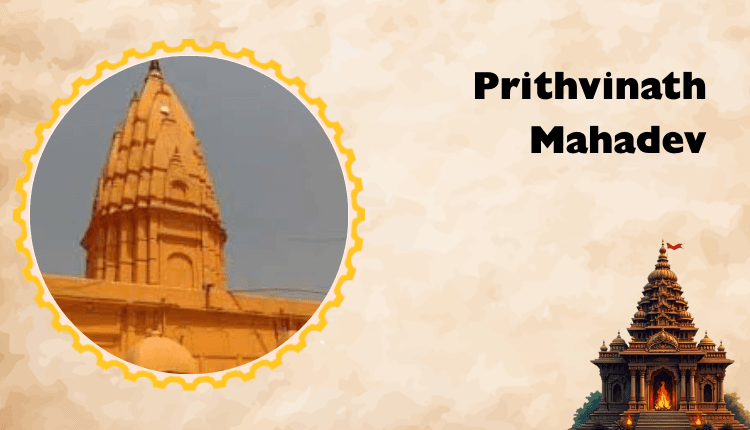
Prithvi Nath Mahadev Temple is a revered shrine dedicated to Lord Shiva, attracting devotees from Gonda and nearby regions. The temple is known for its peaceful atmosphere and spiritual energy, making it an ideal place for prayer, meditation, and devotion. The rituals performed here, including abhishek, aarti, and daily puja, are believed to bring blessings, prosperity, and protection to the devotees. Visiting the temple teaches patience, faith, and devotion, while also providing spiritual calmness and mental clarity. It is considered a sacred space that supports overall well-being, strengthens faith, and deepens spiritual connection.
Pujas Chosen Just for You
Conduct a Puja in your name and gotra and seek divine blessings for your family.




Prithvi Nath Mahadev Temple, Gonda
In Uttar Pradesh’s Gonda district, there is a Shiva temple whose history will truly surprise you. Located about 35 km west of the Gonda district headquarters, the Prithvi Nath Mahadev Temple is not only a major center of religious faith but is also known for its fascinating mythological and historical background. It is considered an important pilgrimage site for Hindu devotees, and many worshippers visit daily for prayers.
Mythological Story and History
According to ancient beliefs, this Shiva Linga was established by Bhima during the Pandavas’ exile in the Dwapara Yuga. It is said that while living in the Pancha Aranya region of the Kaushal Kingdom, the Pandavas installed several Shiva Lingas for worship. Another legend states that during the 19th century, in the reign of King Guman Singh of Khargupur, a man named Prithvinath Singh discovered a fountain of blood coming from the ground while building his house. Lord Shiva appeared to him in a dream and instructed him to unearth the buried seven-part Shiva Linga and establish it at that spot. On the king’s orders, excavation was done until one segment was revealed, and the Shiva Linga was installed. Hence, the temple came to be known as Prithvinath Temple. According to historians and archaeological examinations, the Shiva Linga is around 650 years old. Earlier, the temple was known as Bhimashwar Mahadev, which later evolved into Prithvi Nath Temple. Asia’s Largest Shiva Linga The temple’s most remarkable feature is its massive Shiva Linga, considered one of the largest in Asia. According to priest Hanumant Sharan Tiwari, the Linga is so tall that devotees must rise on their toes to pour water during jalabhishek. The Story of Bakasur’s Slaying and Liberation from Brahmahatya Mahant Jagdamba Prasad Tiwari narrates that during the Pandavas’ exile, they stayed in this region. During that time, Bhima killed the demon Bakasur. Because this act incurred the sin of Brahmahatya, Bhima, on the advice of Lord Krishna, installed a Shiva Linga at this place to seek liberation from the curse. Crowds of Devotees and Religious Importance Every year, during Mahashivratri and the month of Sawan, lakhs of devotees visit the temple. Special worship is performed on Sawan Mondays and Fridays. It is believed that offering prayers and performing jalabhishek here removes all sorrows and fulfills one’s wishes. Prithvi Nath Mahadev Temple is not just a symbol of devotion but also a priceless heritage woven with history and mythology. If you are a devotee of Lord Shiva or someone interested in ancient temples, this place is a must-visit.
Architecture of Prithvi Nath Mahadev Temple, Gonda
The temple is renowned not only for its religious and mythological significance but also for its traditional architectural beauty. Built in the classic North Indian temple style, it reflects the traditional Hindu architecture of the region.
- Elevated Platform Construction The temple is built on a raised platform to ensure that the sanctum remains safe even during heavy rains or floods.
- Giant Shiva Linga The primary attraction is the massive Shiva Linga—one of the largest in Asia—so tall that devotees must stand on their toes for jalabhishek.
- Carvings and Sculptural Work The walls and pillars of the temple display simple yet meaningful carvings. Traditional motifs of trishul, damaru, bel leaves, and serpent figures can be seen.
- Sanctum Sanctorum (Garbha Griha) The sanctum is made of stone and houses the Shiva Linga. The peaceful and spiritual atmosphere inside helps devotees meditate and worship.
- Entrance and Mandap The temple’s entrance is large and impressive. In front of it is an open mandap where devotees gather for prayers and bhajans.
Temple Timings
The Prithvi Nath Mahadev Temple remains open from 6:00 AM to 9:00 PM. On special occasions such as Mahashivratri, Sawan, Mondays, and Fridays, the timings are extended depending on the crowd, often until 10:00 PM.
Prasad at Prithvi Nath Mahadev Temple
The offerings here reflect both devotion and local traditions: Bel Leaves: The most important offering; devotees often write their wishes or names on them.
Milk and Water: Devotees perform jalabhishek and dugdhabhishek, later consuming it as holy charanamrit.
Supari, Coconut & Sweets: Dry fruits, coconut, and items like pedas and laddoos are distributed as prasad.
Sugarcane Juice & Panchamrit (Special Occasions): During Mahashivratri and Sawan, the Shiva Linga is bathed with Panchamrit.
Tulsi, Datura, & Aak: These sacred items are also offered to Lord Shiva, though Tulsi is used only in specific rituals.
How to Reach Prithvi Nath Mahadev Temple, Gonda
By Air Nearest Airport: Chaudhary Charan Singh International Airport, Lucknow — approx. 133 km from Gonda.
Alternative Airport: Maryada Purushottam Shri Ram International Airport, Ayodhya — approx. 54 km from Gonda.
From Lucknow to Gonda Bus: Regular buses available; tickets can be booked through platforms like redBus and MakeMyTrip.
Train: Frequent trains run between Lucknow and Gonda; check IRCTC for details.
Cab/Taxi: Taxis are easily available for a comfortable journey.
By Train Nearest Station: Gonda Junction Railway Station — approx. 20 km from the temple.
From the station: Local auto-rickshaws and taxis are available to reach the temple.
By Road Bus Services: Regular bus services connect Gonda to major cities; tickets available on redBus and MakeMyTrip.
Private Vehicle: One can drive to Gonda; the temple is about 35 km from the district headquarters.

Did you like this article?
Recommended
Read more

Famous Temples in Varanasi
Discover famous temples in Varanasi you must visit in 2026. Explore history, significance, temple timings, and spiritual importance of Varanasi’s top temples.


Famous Shiva Temples in Chennai
Discover famous Shiva temples in Chennai you must visit in 2026. Explore history, significance, temple timings, and spiritual importance of Chennai’s top Shiva temples.

The Spiritual Heart of Pune
Discover the spiritual heart of Pune in 2026. Explore famous temples, ashrams, and sacred places that bring peace, devotion, and divine energy