 Download
 Share
SharePilua Mahavir Temple, Etawah
Planning to visit Pilua Mahavir Temple in Etawah? This sacred Jain temple is famous for its divine aura, miraculous blessings, and peaceful environment. It is one of the most important spiritual places in Uttar Pradesh where devotees come to seek the blessings of Lord Mahavir. Here, you will discover the temple history, daily darshan timings, significance, architecture, and everything required for a perfect pilgrimage visit.
About Pilua Mahavir Temple
Pilua Mahavir Temple, located near Etawah in Uttar Pradesh, is a highly revered Jain temple dedicated to Lord Mahavir. It is one of the region’s oldest and most spiritually significant temples, attracting devotees from across India. The temple is known for its peaceful surroundings, divine energy, and beautifully crafted idol of Lord Mahavir. Pilua Mahavir Temple is believed to bring mental peace, clarity, and spiritual upliftment to devotees. Many visitors strongly believe that sincere prayers here help remove obstacles, bring harmony in relationships, and guide people towards the right path. The temple’s serene environment encourages meditation, positivity, and inner peace. The teachings of Lord Mahavir—truth, non-violence, discipline, and compassion—are deeply felt here. Whether you visit for darshan, meditation, or spiritual awakening, Pilua Mahavir Temple offers an experience of purity and divine calmness that stays with you long after you leave.
Pujas Chosen Just for You
Conduct a Puja in your name and gotra and seek divine blessings for your family.





Pilua Mahavir Temple, Etawah
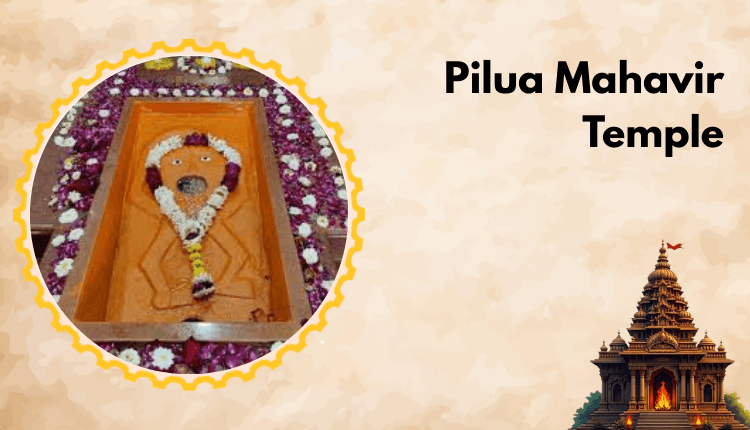
Pilua Mahavir Temple, located in the Etawah district of Uttar Pradesh, is famous for its unique and miraculous idol of Lord Hanuman. The temple is situated near Rura village on the banks of the Yamuna River. Here, a reclining idol of Lord Hanuman is installed, which is considered extremely special. It is believed that such an idol cannot be found anywhere else in India or even in the world. One mysterious aspect of this idol is that water is always present inside its mouth. Whenever devotees offer prasad, it completely disappears inside the idol’s mouth—yet no one has ever discovered where the prasad goes. Devotees believe that this idol not only accepts the offerings but also gives the impression of breathing. Many people have even reported hearing the sound of “Ram Naam” coming from the idol. Pilua Mahavir Temple is not just a religious place but also a center of faith and mystery, where devotees feel the divine presence and believe that their wishes are fulfilled.
History of Pilua Mahavir Temple, Etawah
Pilua Mahavir Temple, lovingly known as “Pilua Wale Hanuman Ji,” holds an interesting historical significance. It is believed that “Pilua” is a type of wild tree. According to legend, a king once found Lord Hanuman’s idol buried under the roots of this tree. This discovery was considered a miraculous event by the king. He immediately built a small temple there and began worshipping Lord Hanuman. Over time, this place became famous as “Pilua Wale Mahavir.” Due to the miraculous happenings associated with the temple, it has grown into a major center of devotion, and its religious importance continues to increase.
Architecture of Pilua Mahavir Temple, Etawah
Pilua Mahavir Temple, located in Rura village of Etawah district, is known for its distinctive architectural style. The temple is dedicated to Lord Hanuman, and the grand idol installed here is its main attraction. The reclining idol of Lord Hanuman faces south and is regarded as highly sacred and miraculous. The temple architecture reflects traditional Hindu design, with intricately carved pillars, walls, and entrance structures that highlight its cultural and religious significance. Surrounding greenery and a peaceful environment offer devotees a soothing spiritual experience.
Timings of Pilua Mahavir Temple, Etawah
Although there is no strict timing for temple visits, Pilua Mahavir Temple generally remains open from 5:00 AM to 9:00 PM. Tuesdays and Saturdays witness the highest footfall, as these days are considered especially auspicious for Lord Hanuman. Special worship rituals and devotional singing (bhajan-kirtan) are also held on these days. The evening aarti takes place around 7:00 PM, creating a divine and peaceful atmosphere for devotees.
Prasad at Pilua Mahavir Temple, Etawah
At Pilua Mahavir Temple, ladoos and boondi are commonly offered to Lord Hanuman. On special occasions, a variety of prasad items are also distributed among the devotees.
How to Reach Pilua Mahavir Temple, Etawah
If you wish to visit this sacred place, here are the travel options by train, bus, and air: By Train Etawah Railway Station (ETW) is the nearest major station to the temple. It is well-connected to major Indian cities like Delhi, Kanpur, Agra, Lucknow, Prayagraj, and Bhopal. The temple is located about 12 km from the station. After reaching Etawah, you can take an auto-rickshaw, taxi, or local bus to the temple. A taxi ride takes around 25–30 minutes, and the roads are well-maintained. By Bus UP State Road Transport Corporation (UPSRTC) buses connect Etawah to various cities such as Kanpur, Agra, Auraiya, Mainpuri, and Firozabad. The temple is approximately 10–12 km from the Etawah bus stand. You can take an auto, e-rickshaw, or taxi to reach the temple. By Air Etawah does not have its own airport. The nearest options are: Kanpur Airport (KNU) – Closest airport; from here, you can hire a taxi or private cab to reach Etawah.
Agra’s Kheria Airport – About 110 km from Etawah; taxis are easily available to reach the temple.

Did you like this article?
Recommended
Read more

Famous Temples in Varanasi
Discover famous temples in Varanasi you must visit in 2026. Explore history, significance, temple timings, and spiritual importance of Varanasi’s top temples.


Famous Shiva Temples in Chennai
Discover famous Shiva temples in Chennai you must visit in 2026. Explore history, significance, temple timings, and spiritual importance of Chennai’s top Shiva temples.

The Spiritual Heart of Pune
Discover the spiritual heart of Pune in 2026. Explore famous temples, ashrams, and sacred places that bring peace, devotion, and divine energy