 Download
 Share
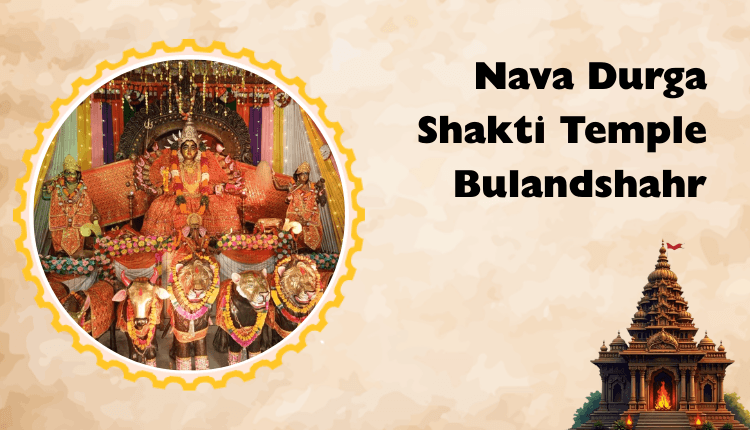
ShareNava Durga Shakti Temple Bulandshahr
Planning to visit Nava Durga Shakti Temple Bulandshahr? Discover its divine history, timings, architecture, how to reach, puja rituals, and the spiritual importance every devotee must know.
About Nava Durga Shakti Temple Bulandshahr
Nava Durga Shakti Temple in Bulandshahr is one of the most revered and spiritually powerful temples dedicated to the nine forms of Goddess Durga. Devotees visit this sacred place to seek blessings for strength, protection, prosperity, and peace. Each form of Maa Durga represents a unique power, and worshipping them is believed to remove obstacles, destroy negative energies, and bring divine guidance in life. The temple is beautifully built with traditional Hindu architecture and peaceful surroundings that fill devotees with positivity the moment they enter. Daily puja, aarti, and chanting create a strong spiritual atmosphere. The temple becomes especially vibrant during Navratri when thousands of devotees come for darshan of Maa Shailputri, Maa Brahmacharini, Maa Chandraghanta, Maa Kushmanda, Maa Skandmata, Maa Katyayani, Maa Kalaratri, Maa Mahagauri, and Maa Siddhidatri. Nava Durga Shakti Temple is not just a place of worship—it is a center of spiritual healing, devotion, and inner transformation. Many believers say that visiting this temple gives them peace of mind, mental strength, and a deep connection with divine energy.
Pujas Chosen Just for You
Conduct a Puja in your name and gotra and seek divine blessings for your family.


Nava Durga Shakti Temple Bulandshahr
Located in the Khurja tehsil of Bulandshahr district in Uttar Pradesh, the Nava Durga Shakti Temple is a divine pilgrimage site where faith, devotion, and miracles come together. This temple is famous not only for the sacred darshan of the Goddess but also for its unique 108 circumambulation (parikrama) path, the massive ashtadhatu idol, and the famous wishing pillar (Manokamna Stambh). Here is the complete information about this temple.
History of Nava Durga Shakti Temple Bulandshahr
The inspiration to build this temple came through a divine dream. In 1990, a devotee named Dr. Mohanlal had a vision in which Goddess Durga instructed him to build a temple in Khurja that would house the nine forms of the Goddess in a single idol. Believing this divine message, the construction of the temple began in 1991. After four years of devotion and dedicated effort, the prana-pratishtha of the idol was performed on 13 February 1995. This temple is not merely a religious structure but a living symbol of faith and the blessings of the Goddess. Today, it attracts lakhs of devotees every year.
Architecture of Nava Durga Shakti Temple
The temple is known for its marvelous architecture and stunning craftsmanship: Spread over 2000 sq ft
The entire structure stands on a single pillar
Temple height: 30 ft
Tower (shikhar) height: 60 ft
About the Idol Goddess Durga’s idol is made of Ashtadhatu (eight-metal alloy)
Weight: 4 tons
Height: 14 ft
Width: 11 ft
Made in 27 sections
Shows all nine forms of the Goddess, each with its own mount
Eight mounts are shown pulling the chariot
One mount is depicted with the Goddess seated on a lotus
Other Sculptures Lord Shiva is seated above the chariot
Lord Ganesha is portrayed as the charioteer
Lord Hanuman stands on the right
Lord Bhairav on the left
More than 100 skilled sculptors from across India worked together to create this masterpiece.
Special Features – 108 Parikrama & Wishing Pillar
108 Parikrama The unique tradition of completing 108 parikramas is the major attraction for devotees. It is believed that: 108 parikramas here equal the spiritual benefit of one full parikrama of Govardhan Hill. Devotees believe their wishes are fulfilled after completing this ritual. Manokamna Stambh (Wishing Pillar) This sacred pillar is a center of immense faith. Devotees tie a cloth or ribbon while making a wish
When their wish is fulfilled, they return to untie the cloth
This pillar is a living symbol of faith and miracles
The Goddess’s Resting Room The temple also has a specially designed basement area where: A Shivling
Idols of Radha-Krishna
A shrine of Hanuman Ji are established.
A resting chamber for the Goddess is also built here. During Navratri, long queues of devotees gather to catch a glimpse of the sacred resting place.
Temple Timings
Morning: Opens at 4:00 AM
Followed by Mangla Aarti
Evening: Reopens at 4:00 PM
Grand Aarti at 7:00 PM
Special Days: During Navratri, special aartis, rituals, and grand events are organised, attracting thousands of devotees.
Prasad at Nava Durga Shakti Temple
The main offerings include: Halwa
Coconut
Chunari
On special days like Ashtami, a special 1000 kg Halwa bhog is offered to the Goddess, which is distributed among devotees as Prasad.
How to Reach Nava Durga Shakti Temple
Location: Khurja Tehsil, Bulandshahr District, Uttar Pradesh Situated on the Delhi–Howrah railway route and NH-91 (Greater Noida–Aligarh highway) By Train Nearest station: Khurja Junction
Well connected to Delhi, Meerut, Aligarh, Agra, Hapur, and Lucknow
Distance: 5 km from the temple
Autos and taxis are easily available
By Bus UPSRTC buses run regularly to Bulandshahr and Khurja
From Khurja Bus Stand, local e-rickshaws and autos can drop you at the temple
By Air Nearest airport: Indira Gandhi International Airport (Delhi) – approx. 100 km
Taxis and cabs are easily available for Khurja
Stay Connected with Shri Mandir
Nava Durga Shakti Temple is not only a religious destination but also a place of divine energy, miracles, and unshakeable faith. The 108 circumambulation tradition, the magnificent ashtadhatu idol, and the sacred wishing pillar make this temple a uniquely powerful spiritual site. If you are seeking fulfillment of a wish or looking for positivity and blessings in life, a visit to this temple is highly recommended. Jai Mata Di!

Did you like this article?
Recommended
Read more

Famous Temples in Varanasi
Discover famous temples in Varanasi you must visit in 2026. Explore history, significance, temple timings, and spiritual importance of Varanasi’s top temples.


Famous Shiva Temples in Chennai
Discover famous Shiva temples in Chennai you must visit in 2026. Explore history, significance, temple timings, and spiritual importance of Chennai’s top Shiva temples.

The Spiritual Heart of Pune
Discover the spiritual heart of Pune in 2026. Explore famous temples, ashrams, and sacred places that bring peace, devotion, and divine energy