 Download
 Share
ShareMeenakshi Amman Temple
Explore Meenakshi Amman Temple, the iconic temple of Madurai. Discover its history, architecture, spiritual importance, and must-know details for visiting in 2026.
About Meenakshi Amman Temple
Meenakshi Amman Temple, located in the heart of Madurai, Tamil Nadu, is one of the most famous temples in India. Dedicated to Goddess Meenakshi (an incarnation of Parvati) and Lord Sundareswarar (an incarnation of Shiva), this temple is renowned for its stunning Dravidian architecture, intricately carved gopurams, and vibrant festivals. Devotees from across India and the world visit this sacred site to seek blessings, experience spirituality, and witness the grandeur of its rituals. The temple is particularly famous for the Meenakshi Tirukalyanam festival, which attracts thousands of pilgrims every year. Visiting the Meenakshi Amman Temple in 2026 promises a divine experience, peace of mind, and spiritual fulfillment. Its rich history, cultural significance, and architectural brilliance make it a must-visit destination for devotees and travelers alike.
Pujas Chosen Just for You
Conduct a Puja in your name and gotra and seek divine blessings for your family.




Meenakshi Amman Temple: The Iconic Temple of Madurai
Madurai, a city in the southern state of Tamil Nadu, is known as the “Temple City of India.” Among its many temples, the Meenakshi Amman Temple stands out as one of the most famous and historically significant. This temple is not only a major religious site but also an architectural marvel that attracts millions of tourists and devotees every year.
Introduction to Meenakshi Amman Temple
The Meenakshi Amman Temple is dedicated to Goddess Meenakshi, an incarnation of Goddess Parvati, and Lord Sundareswarar, an incarnation of Lord Shiva. The temple symbolizes the rich cultural heritage of Tamil Nadu and showcases Dravidian architecture in its finest form. Located in the heart of Madurai, this temple is the center of religious, cultural, and social life in the city. The temple’s origin dates back to ancient times, with its history closely linked to the Pandya dynasty. Over centuries, it has been expanded and renovated, making it a perfect blend of history, culture, and architecture.
History of Meenakshi Amman Temple
The history of Meenakshi Temple goes back over 2,500 years. According to legend, Goddess Meenakshi was born to the Pandya king Malayadwaja Pandya and his queen Kanchanamalai. She was a warrior goddess who later married Lord Sundareswarar. The temple was initially built by the early Pandya kings, but most of its present structure was completed during the Nayak dynasty in the 16th and 17th centuries. The temple has witnessed many rulers, invasions, and restorations. Despite these challenges, it has remained a symbol of devotion, resilience, and spiritual power. The rich historical and cultural stories make it not only a religious site but also a center of Tamil heritage.
Architectural Marvel
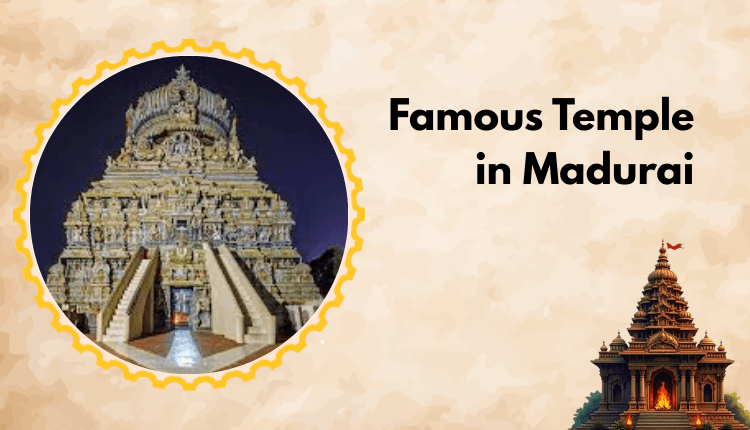
The architecture of Meenakshi Amman Temple is one of the key reasons it is so famous. It is built in the traditional Dravidian style and covers an area of 14 acres. The temple has 12 magnificent gopurams (gateway towers), each adorned with thousands of colorful sculptures depicting gods, goddesses, demons, and celestial beings. The tallest gopuram, the southern tower, rises to a height of 170 feet and is a spectacular sight. Inside the temple, there are several mandapams (halls), the most famous being the Meenakshi Nayakkar Mandapam, known for its 1,000 beautifully carved pillars. Each pillar is a masterpiece of artistry, with intricate designs and lifelike sculptures. The Thousand Pillar Hall is a must-see for anyone visiting the temple. The temple also houses a sacred pond called Porthamarai Kulam (Golden Lotus Tank), which is believed to have healing powers. Devotees often take a holy dip in this tank before entering the sanctum.
Festivals at Meenakshi Temple
One of the most important aspects of the Meenakshi Temple is its vibrant festivals. The Meenakshi Thirukalyanam (the divine marriage of Meenakshi and Sundareswarar) is the most famous festival celebrated during April. Thousands of devotees from across India gather to witness this grand event, which includes processions, rituals, and cultural performances. Other festivals like Navratri, Chithirai Festival, and Aadi Festival are also celebrated with great enthusiasm. During these festivals, the temple comes alive with colorful decorations, music, dance, and rituals, creating a divine and festive atmosphere.
Spiritual Significance
The Meenakshi Amman Temple is not just a tourist attraction; it is a sacred place of worship. Devotees believe that worshipping Goddess Meenakshi and Lord Sundareswarar brings blessings, prosperity, and spiritual peace. The temple is especially significant for those seeking marital harmony, success, and protection from evil forces. The temple follows a strict ritual schedule, with daily poojas (prayers) and offerings. Early morning visits are considered highly auspicious, especially the Usha Pooja (morning prayer) and Abhishekam (holy bath of the deity).
How to Reach Meenakshi Temple
Madurai is well-connected by road, rail, and air. By Air: Madurai Airport is about 12 km from the temple. Regular flights operate from major cities in India.
By Train: Madurai Junction is a major railway station with trains connecting to all parts of India.
By Road: The city has a good network of buses and taxis. National Highways connect Madurai to Chennai, Trichy, and Coimbatore.
The temple is located in the heart of the city, making it easily accessible from all major parts of Madurai.
Tips for Visiting
Dress Code: Modest attire is recommended. Traditional Indian clothing is preferred.
Timings: The temple opens from 5:00 AM to 12:30 PM and 4:00 PM to 10:00 PM.
Photography: Photography is allowed in certain areas, but inside the sanctum, it is prohibited.
Best Time to Visit: Festivals like Chithirai and Navratri are the best time to experience the temple’s grandeur.
Nearby Attractions
While visiting the Meenakshi Temple, tourists can explore other nearby attractions in Madurai: Thirumalai Nayak Palace: A historical palace showcasing the grandeur of the Nayak dynasty.
Gandhi Memorial Museum: A museum dedicated to Mahatma Gandhi.
Vandiyur Mariamman Teppakulam: A huge temple tank famous for its float festival.
Alagar Koil: A temple located 21 km from Madurai, dedicated to Lord Vishnu.
These attractions make Madurai a complete cultural and spiritual destination.
Importance of Meenakshi Temple in Tamil Culture
The Meenakshi Amman Temple is not only a religious landmark but also a cultural hub. It has inspired countless poets, artists, and scholars over centuries. The temple festivals promote traditional music, dance, and arts, preserving Tamil Nadu’s rich cultural heritage. The temple also attracts international tourists, making it a symbol of India’s architectural brilliance and spiritual legacy. It stands as a testimony to the devotion, skill, and artistry of generations of architects, sculptors, and devotees.
Conclusion
The Meenakshi Amman Temple in Madurai is a must-visit destination for anyone interested in spirituality, history, and architecture. Its stunning gopurams, intricate carvings, vibrant festivals, and spiritual atmosphere make it one of the most iconic temples in India. Whether you are a devotee seeking blessings or a traveler exploring cultural heritage, this temple promises an unforgettable experience. Visiting Madurai without seeing the Meenakshi Amman Temple is like missing the heart of the city. It is truly a divine place where faith, art, and history come together, making it a timeless symbol of India’s spiritual and cultural richness.

Did you like this article?
Recommended
Read more

Famous Temples in Varanasi
Discover famous temples in Varanasi you must visit in 2026. Explore history, significance, temple timings, and spiritual importance of Varanasi’s top temples.


Famous Shiva Temples in Chennai
Discover famous Shiva temples in Chennai you must visit in 2026. Explore history, significance, temple timings, and spiritual importance of Chennai’s top Shiva temples.

The Spiritual Heart of Pune
Discover the spiritual heart of Pune in 2026. Explore famous temples, ashrams, and sacred places that bring peace, devotion, and divine energy