 Download
 Share
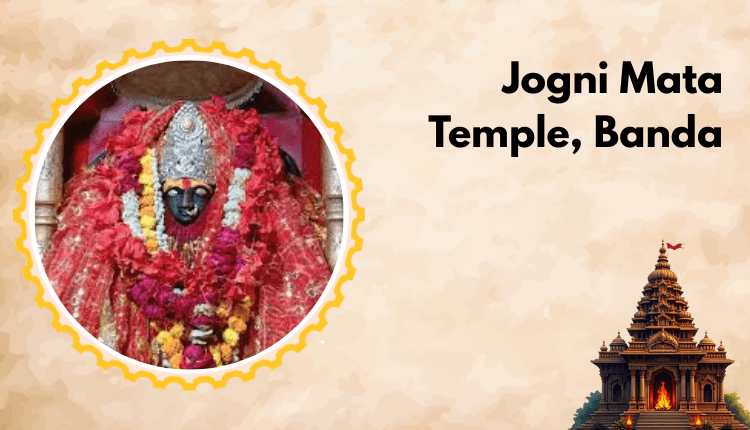
ShareJogni Mata Temple Banda
Jogni Mata Temple in Banda is one of the most revered Shakti temples in the Bundelkhand region. Devotees from nearby villages and towns visit this holy shrine seeking protection, strength, and the blessings of Maa Jogni. The temple is surrounded by peaceful natural surroundings, making it a spiritually uplifting destination for every devotee. Known for its deep history, powerful divine energy, and beautiful architecture, the temple holds a special place in the hearts of local people.
About Jogni Mata Temple
Jogni Mata Temple is a sacred pilgrimage spot dedicated to Goddess Jogni, who is worshipped as a powerful form of Shakti. The temple is believed to be centuries old and holds great spiritual significance for the people of Banda and Bundelkhand. Devotees believe that Maa Jogni protects them from difficulties, removes obstacles, and brings peace and prosperity into their homes. The temple stands as a symbol of faith, devotion, and divine strength. Its serene environment, traditional rituals, and sacred aura attract thousands of devotees, especially during festivals and auspicious days. Many people visit the temple to offer prayers, tie threads for wishes, and seek blessings for health, happiness, and protection from negative energies. The ancient legends associated with the temple highlight the goddess’s power in safeguarding her devotees from evil forces. The temple’s ambience naturally fills the heart with calmness, positivity, and spiritual energy. It is not just a religious place but also a cultural treasure that reflects the traditions and beliefs of Bundelkhand.
Pujas Chosen Just for You
Conduct a Puja in your name and gotra and seek divine blessings for your family.


Jogni Mata Temple, Banda – A Sacred Place of Faith, Devotion and Miracles
Located in the Bundelkhand region of Uttar Pradesh, Banda district is rich in spirituality and history. Among its many sacred sites, the Jogni Mata Temple stands out as a powerful and revered shrine. This temple is the center of deep faith for the local people, and devotees from far and wide visit to seek the blessings of Maa Jogni. It is believed that the temple possesses miraculous powers and that sincere prayers offered here are always fulfilled.
History of Jogni Mata Temple, Banda
Several legends are associated with the origin of Jogni Mata Temple. According to one of the most popular beliefs, a man from Paras village used to work in Kolkata. One night, Maa Jogni appeared to him in a dream and said:
“I am buried beneath the soil in a nearby forest. Place me in a clay vessel and take me to your village. Keep lemons with you and continue to perform havan along the way.”
The next morning, he went to the place shown in the dream and found the idol of the goddess beneath the soil. He placed the idol in a clay vessel and took a train to Banda. From there, he started walking toward Paras village via Baberu and Samsuddinpur.
When he reached near Bakal village by the Yamuna River, the lemons and havan materials he carried were finished. He placed the idol there and went to arrange more items. But when he returned, he could not lift the idol again. Since then, this place has been considered miraculous, and the goddess here is also known as “Bakal Ki Devi.”
Architecture of Jogni Mata Temple
The temple architecture reflects traditional Indian design, symbolizing purity and simplicity. It is primarily constructed using red and yellow stones. The garbhagriha (sanctum) has a peaceful and spiritually energized atmosphere.
The temple’s shikhara (spire) is built in the North Indian Nagara style, visible from afar and attracting devotees.
In the temple complex, there is:
A small yagya shala (sacrificial fire hall)
A sabha mandap (assembly hall) where rituals and havans are performed
Surrounded by greenery and a serene environment, the temple offers mental peace and spiritual balance.
Timings of Jogni Mata Temple
The temple remains open daily:
Morning: 5:00 AM
Evening: 9:00 PM
On special occasions like Navratri, Amavasya, and Purnima, the timings are extended, and grand rituals are organized. These days witness a large gathering of devotees.
Prasad at Jogni Mata Temple
Devotees offer:
Bengal gram (chana)
Jaggery (gur)
Coconut
Red chunari
Red is considered especially dear to the goddess, so devotees often offer red chunri and sindoor.
Some devotees offer halwa–poori, panchmeva, and special bhog for specific wishes. It is believed that consuming this prasad removes negative energies and fulfills desires.
How to Reach Jogni Mata Temple?
Jogni Mata Temple is a few kilometers from Banda city and can be easily reached by different modes of transportation.
- By Train
Banda Railway Station, under the North Central Railway zone, is well connected to major cities like Kanpur, Jhansi, Prayagraj, Delhi, and Lucknow. The temple is about 8–10 km from the station. You can take an auto, taxi, or local bus.
- By Bus
Banda Bus Stand, operated by UPSRTC, is connected to cities such as Kanpur, Chitrakoot, Jhansi, and Mahoba. From the bus stand, the temple is around 6–8 km away.
- By Air
Nearest Airport: Khajuraho Airport – approx. 130 km
From there, taxis and private vehicles are easily available to reach Banda.
Another option: Lucknow Airport – approx. 200 km, an international airport with wider connectivity.
Beliefs and Traditions Associated with the Temple
It is believed that worshipping Maa Jogni removes fear, illness, and poverty.
Located near the banks of River Yamuna, the temple feels like a spiritual confluence.
Devotees believe that no one returns empty-handed from this temple.
During Navratri, grand celebrations take place with:
Kanya Pujan
Akhand Jyoti
Bhajan–Kirtan
Special rituals
Stay Connected with Shri Mandir
Jogni Mata Temple, Banda is not just a religious site but a symbol of faith, miracles, and cultural heritage. The peaceful environment and the divine presence of Maa Jogni uplift every devotee spiritually.
If you are seeking mental peace, protection, or spiritual strength, a visit to this temple is highly recommended. You will surely feel a positive transformation by the grace of Maa Jogni.
For more such spiritual and devotional information, stay connected with Shri Mandir.
Jai Jogni Mata Ki!

Did you like this article?
Recommended
Read more

Famous Temples in Varanasi
Discover famous temples in Varanasi you must visit in 2026. Explore history, significance, temple timings, and spiritual importance of Varanasi’s top temples.


Famous Shiva Temples in Chennai
Discover famous Shiva temples in Chennai you must visit in 2026. Explore history, significance, temple timings, and spiritual importance of Chennai’s top Shiva temples.

The Spiritual Heart of Pune
Discover the spiritual heart of Pune in 2026. Explore famous temples, ashrams, and sacred places that bring peace, devotion, and divine energy